Freelancer or Production Company? How to Choose a Video Partner in Kenya
Hiring a freelance videographer or a production company in Kenya? Compare cost, risk, consent, drones, tax invoices and turnaround to choose the right fit.
Most organisations that commission video in Kenya reach the same fork early on: hire a talented freelancer directly, or bring in a production company. Both can produce excellent work. The right choice depends less on the quality of the showreel than on the size of the job, the risks you are carrying and how much of the project you want to manage yourself.
This guide sets out the practical differences so you can decide with your eyes open. If you already know roughly what you want to spend, our guide to video production costs in Kenya covers how budgets are usually built.
What you are really choosing between
A freelance videographer is usually one person who shoots, and often edits, under their own name. Many of the best camera operators in Nairobi work this way, and plenty of production companies hire them for specific shoots.
A production company takes responsibility for the whole project: planning, crew, equipment, permits, consent, editing, revisions and delivery. You deal with one point of contact and one contract, and the company carries the risk if a crew member falls ill or a camera fails on the day.
So the real question is not “one person or a team?” It is “who will manage the project, and who is accountable when something goes wrong?”
When a freelancer is the right call
A freelancer is often the sensible choice when:
- the job is a single day in one location, such as a short interview, a panel discussion or event highlights;
- you have someone in-house who can plan the shoot, brief the people on camera and give clear feedback on the edit;
- the footage is for internal use or social media, and nobody vulnerable appears on camera;
- you are working to a short deadline and need someone who can turn up tomorrow.
In these cases a good freelancer offers flexibility and lower overheads, and you work directly with the person holding the camera.
When a production company earns its fee
The balance shifts as projects grow in scope or risk. A production company is usually the better fit when:
- the shoot runs over several days or locations, especially outside Nairobi;
- you need more than one specialist, for example a director, sound recordist, drone pilot, translator or editor;
- the film features children, survivors, patients or other people who need careful handling;
- it involves national parks, conservancies, aerial filming or other locations that require approvals;
- a donor, board or auditor will scrutinise the contract, invoices and consent records;
- you need the work delivered in several versions and languages.
In these situations the cost of a mistake, such as a missing permit, an unusable interview or a consent form that cannot be found, is usually far higher than the difference in fees.
Five things to compare, whoever you hire
1. Permits and approvals
Productions in Kenya generally need a filming licence from the Kenya Film Classification Board, and particular locations add their own rules. Ask who will apply for each permit and whose name it will be in. Our guide to the KFCB filming licence explains the process.
2. Drones
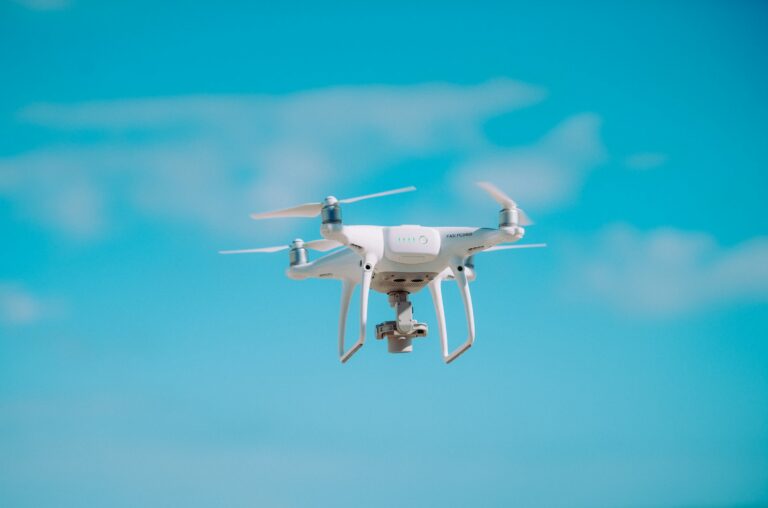
Aerial filming is regulated by the Kenya Civil Aviation Authority under regulations that took effect in 2026. Commercial drone work needs a licensed remote pilot operating under the right certificate. A freelancer with a drone in their bag is not automatically covered, so ask to see the paperwork. Afrovo holds a KCAA operator certificate and all of our drone pilots are licensed; our post on Kenya’s 2026 drone regulations sets out what changed.
3. Consent and safeguarding
Anyone who appears on camera should give informed, written consent for the specific uses you have in mind. Ask how consent will be explained, recorded, stored and handed over to you, and what happens if a contributor later withdraws. This matters most in NGO work. Our ethical storytelling policy shows the standard we hold ourselves to.
4. Tax, invoices and paperwork
Finance teams increasingly ask the same questions of every supplier, freelance or not:
- Electronic invoices. Since 1 January 2026, the Kenya Revenue Authority has been checking income tax returns against invoices issued through its eTIMS system. An expense without a valid eTIMS invoice may not be allowed as a deduction. The obligation applies to businesses whether or not they are registered for VAT, so ask any supplier whether they can issue one.
- VAT. Businesses must register for VAT once their taxable turnover reaches KSh 5,000,000 (US$38,500) in twelve months. Many individual freelancers are below that threshold and will not charge VAT; most established companies will. Proposals to change the threshold have been discussed during 2026, so check the current position with KRA.
- Withholding tax. If your organisation is a withholding agent, payments for professional and management services to Kenyan residents generally attract withholding tax at 5%. Professional fees totalling less than KSh 24,000 (US$185) in a month are exempt. Agree in writing whether quoted fees are gross or net.
None of this rules out freelancers, but it does mean someone has to manage it. These points are general information, not tax advice, so confirm the treatment with your finance team.
US dollar amounts are approximate and update automatically, using a market rate of KSh 129.91 to US$1 (27 October 2026).5. What happens when something goes wrong
Ask every supplier the same questions. What happens if the shooter is ill on the day? Who owns the raw footage, and how long will it be kept? How many rounds of revisions are included? What equipment is backed up? A production company should answer these in its contract. With a freelancer, you may need to write the answers into the agreement yourself.
Comparing quotes fairly
A freelancer’s day rate and a production company’s project fee are rarely like for like. The company quote usually includes pre-production, extra crew, equipment, permits, editing time, revisions and project management. A freelance quote may cover shooting days only.
Before you compare, list every task the project needs and mark who will do it. Anything left blank becomes work for your team or a cost that appears later. Our quote checklist and guide to crew roles in Kenya can help you line the numbers up properly.
A middle path
The choice is not always binary. Some organisations keep a trusted freelancer on call for quick, low-risk jobs and bring in a production company for flagship films, campaigns and anything involving vulnerable contributors or remote locations. Others ask a production company to handle permits, consent and post-production around a freelancer they already know. Be clear about who is responsible for what, and put it in writing.
Frequently asked questions
Is a freelance videographer cheaper than a production company in Kenya?
Usually, per shooting day. But a production company’s fee often covers planning, crew, equipment, permits, editing and project management, which a freelancer may not include. Compare the total cost of the finished film, including your own staff time.
Do freelance videographers need a filming licence in Kenya?
Filming in Kenya generally requires a licence from the Kenya Film Classification Board, whoever is behind the camera, and some locations need further permits. Agree in advance who will apply and whose name the permit will be in.
Can a freelancer fly a drone on my shoot?
Only if they are licensed by the Kenya Civil Aviation Authority and operating under the required operator certificate and approvals. Ask to see the documents before the shoot.
What should I check before hiring any videographer?
Check relevant past work, references, how consent will be handled, who secures permits, whether they can issue an eTIMS invoice, what happens if they cannot attend, who owns the footage and how many revisions are included.
Afrovo Studios is a Nairobi-based video production company working across East Africa, making documentaries, campaign films and corporate video for NGOs, conservation organisations and brands. Get in touch to talk about your next project.