Drone Filming Costs in Kenya: What Drives the Price in 2026
What drone filming in Kenya really costs: KCAA licence and authorisation fees, KWS drone charges in national parks, and what to check in a quote.
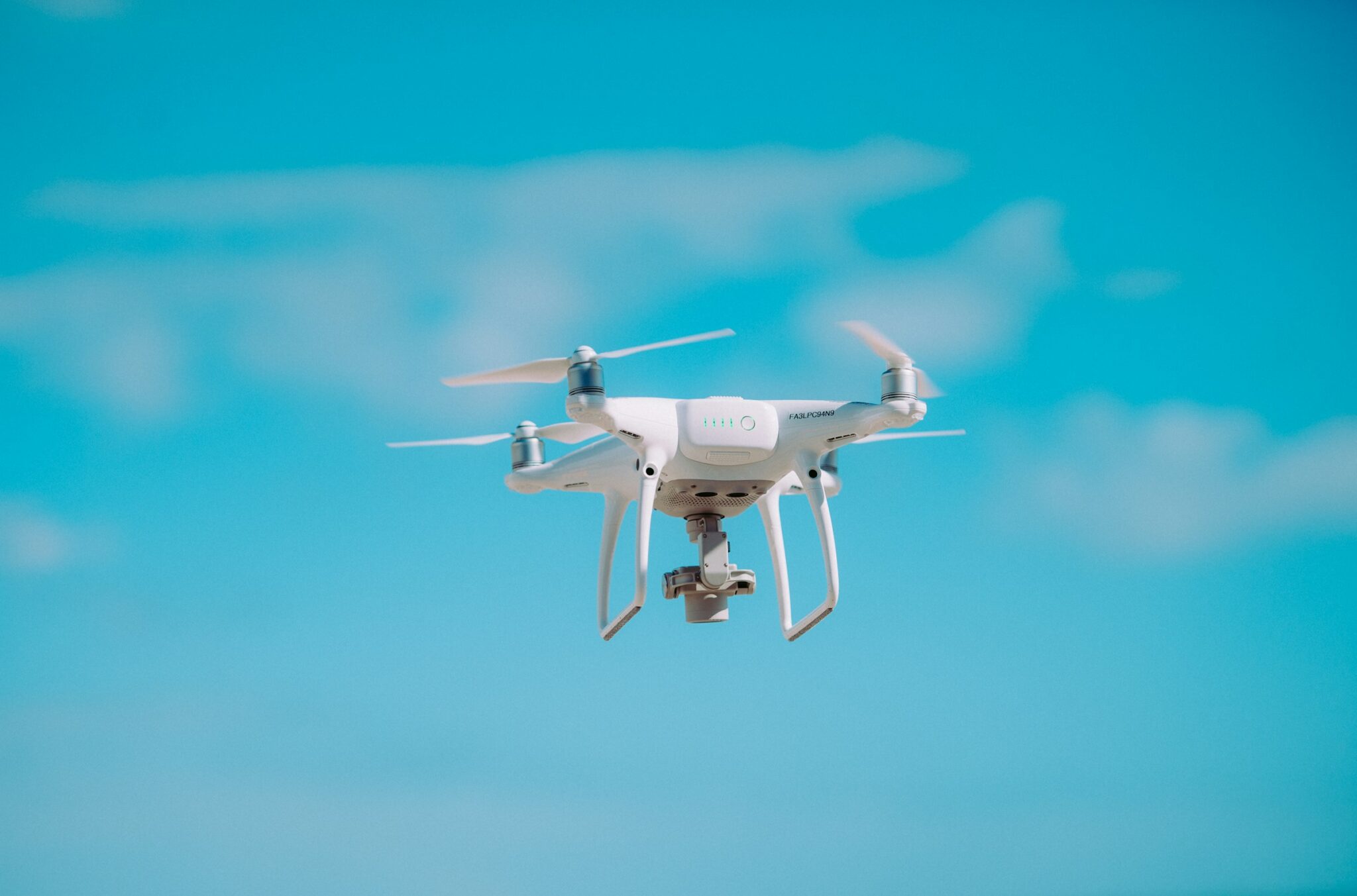
Aerial footage has become one of the first things clients ask for, and one of the hardest things to price from the outside. A two-minute drone sequence over a conservancy or a factory roof can look effortless on screen, yet the cost behind it is made up of licences, location fees, insurance, crew time and the hours spent getting permission before a propeller turns. This guide explains what actually drives drone filming costs in Kenya, which fees are fixed by regulators, and what to ask before you sign off a quote.
It is written for NGOs, brands and visiting production teams who want aerial shots without legal surprises. Regulatory figures below were checked against published sources in October 2026; fees change, so please confirm them with the relevant authority before you budget.
Why drone filming in Kenya is not a “hire a drone” job
In Kenya, flying a drone for commercial work is a regulated aviation activity. The Kenya Civil Aviation Authority (KCAA) oversees unmanned aircraft under the Civil Aviation (Unmanned Aircraft Systems) Regulations. The 2020 regulations set out risk-based categories of operation, a Remote Aircraft Operator Certificate (ROC) for commercial operators, mandatory insurance unless KCAA waives it for the category, and penalties for non-compliance of up to KSh 2,000,000 US$15,400 or up to three years’ imprisonment. Kenya Law also lists a revised set of Civil Aviation (Unmanned Aircraft Systems) Regulations, 2025, published on 6 March 2026 as part of a wider overhaul of civil aviation rules. If your project is large or unusual, ask your operator how the revised rules affect it.
For a client, the practical consequence is simple. You are not paying for a camera that happens to fly. You are paying for a licensed operation: a certified company, a licensed remote pilot, a registered aircraft, insurance, and the approvals for the specific place you want to film.
The regulatory costs: what KCAA charges
The fee schedule KCAA publishes on its website is the Civil Aviation (Regulatory Fees and Charges for Unmanned Aircraft Systems) Regulations, gazetted as Legal Notice No. 4 of 22 January 2021. As published, it includes:
- Remote Aircraft Operator Certificate, initial issue: KSh 80,000 US$617; renewal KSh 50,000 US$385.
- Remote Pilot Licence (RPL), issue: KSh 4,000 US$31; RPL examination KSh 4,000 US$31; renewal KSh 2,000 US$15.
- Validation of a foreign RPL: KSh 5,000 US$39 (KSh 4,000 US$31 for licences from ICAO contracting states, listed separately).
- Import permit and registration of the aircraft: KSh 3,000 US$23 each; a temporary permit is KSh 20,000 US$154.
- Operational authorisation: KSh 2,000 US$15 for Category A operations and KSh 2,500 US$19 for Categories B and C.
Two points matter when you read a quote. First, most of these are the operator’s own overheads. A company that already holds an ROC and employs licensed pilots does not charge you for the certificate, but its price reflects the cost of keeping it. Second, the line that tends to apply per job is the operational authorisation, together with any approval needed for a particular location. Whether the March 2026 regulations changed these amounts was not clear from public sources at the time of writing, so treat the figures above as a guide and confirm with KCAA.
Visiting crews who want to bring their own drone face the import, registration or temporary permit route, plus pilot licence validation. Many find it simpler to have aerial footage flown by a local operator that already holds the certificates. Our guide to fixers and local production companies covers that decision in more detail.
Location fees: national parks, reserves and conservancies
Where you fly often affects the budget more than how long you fly. In national parks and reserves managed by the Kenya Wildlife Service (KWS), the fees regulations that took effect on 1 October 2025 (Legal Notice No. 160 of 2025) set a separate drone charge of KSh 5,000 US$39 per day for East African citizens and residents and US$300 per day for non-residents and African citizens, according to reporting by the Nation and Techish Kenya. That charge is on top of park entry and the commercial filming fee, which is set per week by crew size (reported at US$200 a week for a non-resident crew of one to five people; confirm the resident rate with KWS). KWS also requires the drone operation itself to be licensed by KCAA.
Outside KWS land the picture changes. County-run reserves set their own fees: our guide to filming in the Maasai Mara sets out Narok County’s filming charges, which are far higher than the KWS rates. Private and community conservancies such as Ol Pejeta or Loisaba decide for themselves whether drones are allowed, under what conditions and at what cost, and many restrict flights to protect wildlife and guests. Budget time for those conversations, not just the fee.
For a fuller picture of permits beyond drones, including the Kenya Film Classification Board licence, see our filming permits guide for 2026.
What else drives the price of a drone shoot
Once the regulatory and location costs are clear, the rest of a quote usually comes down to five things.
1. The aircraft and camera
A compact drone is fine for social media cutaways and simple establishing shots. Broadcast or cinema work may call for a larger aircraft carrying a higher-grade camera, interchangeable lenses or a dedicated camera operator on a second controller. Larger systems cost more to own, insure and transport, and that is reflected in the day rate.
2. Crew size
A simple flight may need one licensed pilot. Many commercial jobs need a pilot plus a visual observer, and complex shots need a separate camera operator so the pilot can concentrate on flying. Wildlife work often adds a guide or ranger, which the location may require anyway.
3. Travel, time and weather
Most drone footage in Kenya is shot outside Nairobi. Travel days, accommodation and vehicle hire add up quickly, and aerial work is especially dependent on wind, rain and light. Golden-hour shots give you two short windows a day. A responsible quote includes a weather contingency rather than pretending every day will be flyable.
4. Approvals and paperwork
Someone has to secure the authorisation, the landowner’s consent and any park or conservancy permission, often weeks in advance. Flights near airports, security installations or crowds need extra care and may not be possible at all. This preparation is real work, and it is the part most often left out of low quotes.
5. Post-production
Raw aerial clips need selecting, stabilising where necessary, colour grading to match the ground footage and editing into the story. If you only need graded selects delivered to your own editor, say so; if you need a finished film, aerial shots are just one strand of a larger edit. Our guide to video production costs in Kenya explains how editing and grading are usually priced.
How to read a drone filming quote
Because drone work combines aviation rules with filmmaking, quotes can look very different from one company to the next. A low figure is not always a bargain. Before you compare, check that each quote answers the same questions:
- Who holds the ROC? Ask for the operator’s certificate details and the remote pilot’s licence. If the company is subcontracting the flying, ask who the operator will be.
- Is the aircraft registered and insured? Ask what the insurance covers and whether it extends to your location.
- Which approvals are included? Look for KCAA authorisation, KWS or county fees, conservancy permission and landowner consent, listed separately so you can see what has been assumed.
- What is the weather plan? Find out whether a lost day is charged, rescheduled or covered by a contingency.
- What will you receive? Agree file formats, resolution, whether you get raw footage, graded selects or a finished edit, and who owns the rights.
It also helps to ask how the operator handles people on the ground. Filming communities from the air raises the same consent questions as filming them from a tripod, and in some places more, because people may not realise they are being recorded. We follow our ethical storytelling policy on every shoot, aerial or not.
How Afrovo approaches aerial work
Afrovo holds a KCAA Remote Operator Certificate, and all our drone pilots are KCAA-licensed. We plan aerial footage as part of the wider story rather than as a separate add-on, which keeps flying time focused on shots the edit actually needs. Our Path to Zero Poaching films with Teledyne FLIR, WWF and Ol Pejeta are an example of conservation work where the setting matters as much as the people. Our drone videography page explains what we fly and where.
We quote each project from the brief, because the location, approvals and crew make more difference to the price than flying time does. Send us your locations and dates and we will set out which fees and permissions apply before we price anything else.
US dollar amounts are approximate and update automatically, using a market rate of KSh 129.73 to US$1 (15 October 2026).Frequently asked questions
Do I need a licence to film with a drone in Kenya?
Yes, for commercial work. The flight must be carried out by an operator holding a KCAA Remote Aircraft Operator Certificate, flown by a licensed remote pilot, using a registered aircraft, with authorisation for the type of operation and any approvals the location needs.
How much does KWS charge for drones in national parks?
Under the KWS fees regulations in force since 1 October 2025, the drone charge is KSh 5,000 US$39 per day for East African citizens and residents and US$300 per day for non-residents and African citizens. Park entry and commercial filming fees are charged separately, and KCAA approval is still required.
Can a foreign crew bring its own drone to Kenya?
It is possible, but it means an import or temporary permit, registration and validation of the pilot’s licence with KCAA, which takes time and adds cost. Many visiting crews choose a local licensed operator for the aerial shots instead.
What is the biggest hidden cost in a drone shoot?
Usually location access and time. Park or county fees, conservancy conditions, travel and weather days often cost more than the flying itself, so ask for these to be listed separately in any quote.
Afrovo Studios is a Nairobi-based video production company working across East Africa, making documentaries, campaign films and corporate video for NGOs, conservation organisations and brands. Get in touch to talk about your next project.