How to Apply for a KFCB Filming Licence Step by Step
How to apply for a KFCB filming licence in Kenya: who applies, the documents to prepare, the online portal, current fees, timelines and what it does not cover.
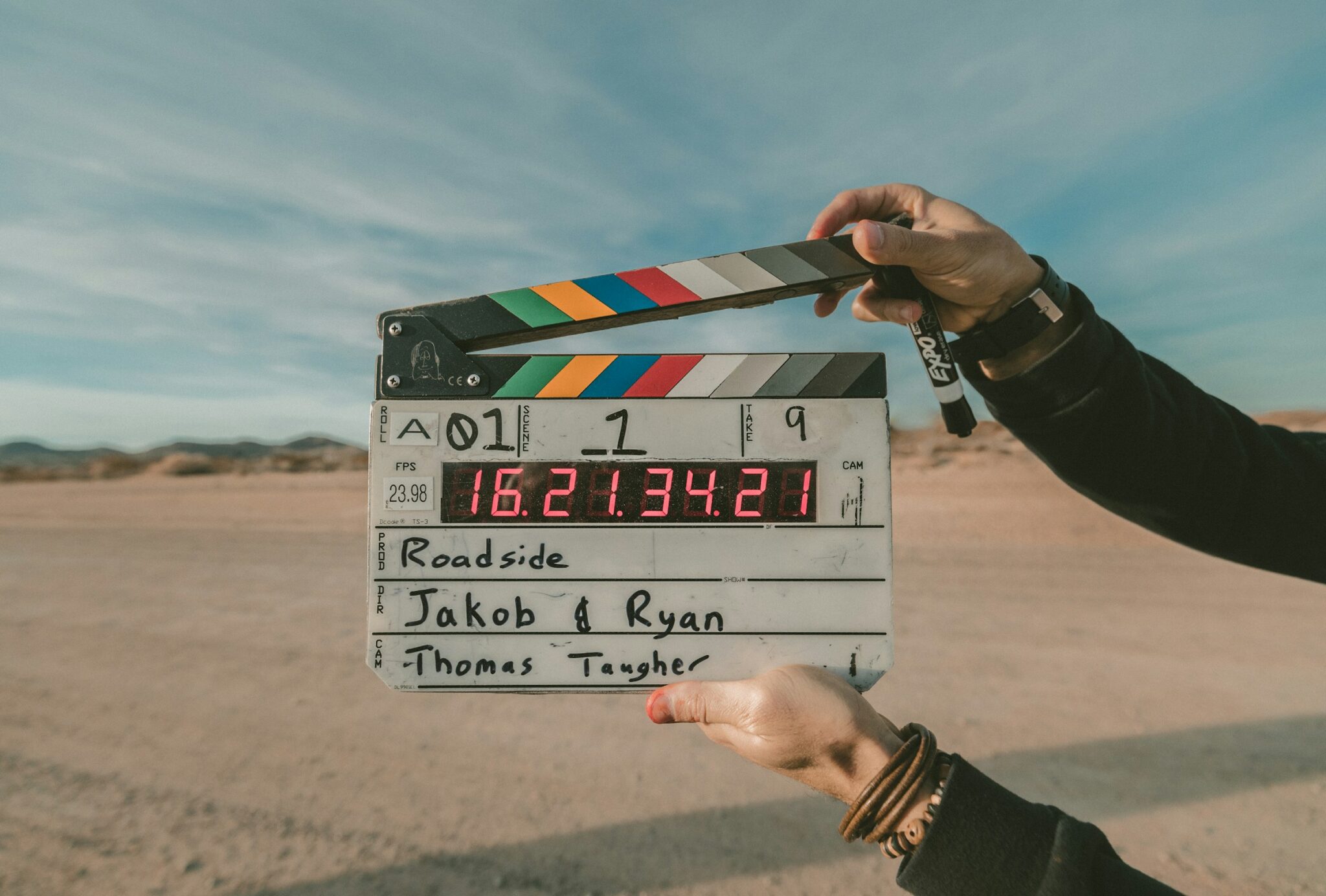
Every film, advert, documentary or corporate video shot in Kenya needs a filming licence from the Kenya Film Classification Board (KFCB). For a short production it is one of the quicker pieces of paperwork on a shoot, provided you arrive at the application with the right documents. Where productions come unstuck is in the details: a shooting schedule that does not match the licence dates, a crew list without passport copies, or a foreign team that assumed it could apply on its own.
This guide walks through the application itself, step by step, using KFCB’s own published requirements and fees. If you want the wider picture first, including park, county and immigration permissions, our overview of filming permits in Kenya covers the full set. Here we stay with the KFCB licence.
Step 1: Work out who will apply
The first question is not what to submit but who submits it. A Kenyan filmmaker or production company can apply for its own licence. Foreign productions cannot simply apply directly: KFCB’s published requirements state that expatriate filmmakers must be facilitated by an accredited local film agent, and the application form itself has a section for the agent’s details, which local applicants leave blank.
A film agent is a Kenyan company registered with KFCB for that purpose. Registration currently costs KSh 12,000 US$92 a year, and the Board asks agents for a certificate of incorporation, a VAT certificate, a professional certificate and an equipment list. In practice, a foreign broadcaster, NGO or brand usually works through a local production company that holds this registration and applies on its behalf. If you are weighing up whether to hire a fixer or a full production company for that role, the licence is a good test: ask who will sign the application and be answerable for it.
US dollar amounts are approximate and update automatically, using a market rate of KSh 129.91 to US$1 (27 October 2026).Step 2: Choose the right licence category
KFCB’s Citizens’ Service Charter, revised in 2025, sets out three filming licence categories, and the category decides both the fee and what you must attach.
- Full-length feature film: licence fee of KSh 15,000 US$115 per film.
- TV series, web series and docuseries: KSh 15,000 US$115, charged per season.
- Documentary, short film, advertisement, corporate video or music video: KSh 5,000 US$38 per film.
On top of the licence fee, every category pays a filming fee of KSh 1,000 US$8 for each filming day. Most NGO, conservation and corporate work falls into the third category. A multi-part documentary for a streaming platform, on the other hand, is likely to be treated as a docuseries, so check the category with the Board before you apply rather than after you are billed.
Step 3: Prepare your documents
This is where most of the work lies. The KFCB application form (reference KFCB/HQS/RD/103) asks for more than many first-time applicants expect, so it is worth assembling everything in one folder before you open the portal.
About the production
You will need the title, the expected running time, the number of shooting days, the target audience and region, and two budget figures: the estimated total budget and the estimated amount to be spent in Kenya. You will also tick the type of production, from documentary and corporate video to advertisement, travelogue or web series.
The creative material
For a feature film, short film or series, KFCB asks for a synopsis and a screenplay. For documentaries, adverts, corporate and music videos, one of the following is enough: a synopsis, script, treatment or storyboard. Every category must include a shooting schedule and an equipment list. The form’s terms also refer to a full description of scenes and the text of spoken parts, with a certified English translation where dialogue is in another language. For an observational documentary, where nobody knows exactly what will be said, a clear treatment and interview outline is the sensible way to meet this; if in doubt, ask the licensing office what they will accept.
People and equipment
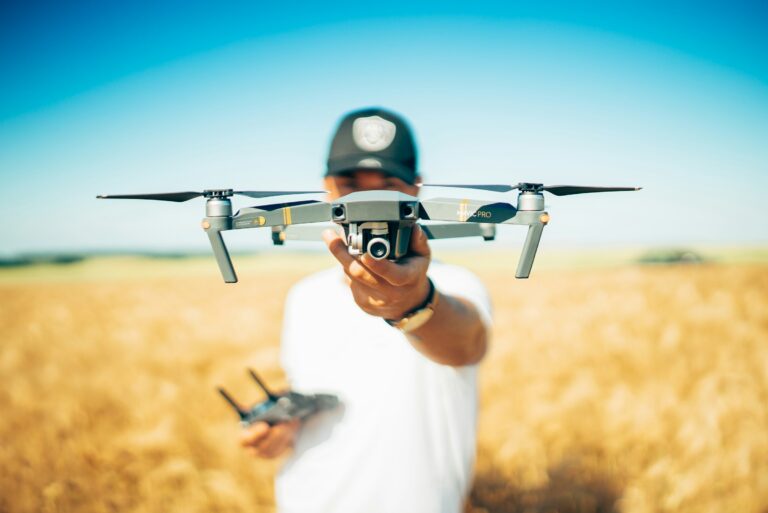
The form asks for the number of local and foreign artists and crew, supported by a separate list with copies of valid national ID cards or passports. Equipment is split between kit being imported and kit hired locally, and there is a specific question on drone filming, including whether you will fly by day, by night or both.
Company documents
Reporting on the online system in July 2026 listed a certificate of incorporation, a KRA PIN certificate and IDs or passports for company directors among the documents applicants upload. Older KFCB guidance also asks for a covering letter requesting the licence. It costs nothing to have one ready, addressed to the Board, naming the production and the filming dates.
Step 4: Apply online
KFCB has moved its licensing online. In January 2025 the Board announced that filmmakers, film agents, distributors and exhibitors could apply through its Technical Management System at tms.kfcb.go.ke, and the “Apply for a License to Make a Film” link on its website points there. Some KFCB services are also on eCitizen, at kfcb.ecitizen.go.ke, and in July 2026 the Board publicised the expansion of both platforms so that applications no longer require a visit to its offices at Uchumi House in Nairobi.
The process, as described at that launch, runs in a straightforward order: create an account, choose the licence category, upload the documents, receive a bill generated by the system and pay it online. Fill in the shooting dates carefully. They define the period your licence covers, so they should match the schedule you attach and the dates you give any park, county or landowner.
Step 5: Pay, and check the bill
The bill combines the licence fee with the filming days. A five-day corporate documentary, for example, would come to KSh 5,000 US$38 plus five days at KSh 1,000 US$8, a total of KSh 10,000 US$77. A season of a docuseries filmed over twenty days would be KSh 15,000 US$115 plus KSh 20,000 US$154, or KSh 35,000 US$269.
Two terms on the form are worth knowing before you pay. The application fee is non-refundable, and no licence is issued until payment is made in full. If your bill does not match the category and days you entered, query it before paying rather than hoping to recover the difference afterwards.
Step 6: Approval and download
KFCB’s charter gives a turnaround of 10 to 25 minutes for documentaries, short films, adverts, corporate and music videos, and within 48 hours for feature films and series. Those are service standards for complete applications, so a missing document or an unclear category will restart the clock. Once approved, the licence is downloaded from your portal account.
Even with a fast turnaround, do not leave the licence until the week of the shoot. Other permissions often depend on it, and a crew arriving at a park gate or a county office without it is a crew standing still.
Step 7: On location
The licence is not a document to file and forget. Under its terms it is valid only for the production and period you applied for, it cannot be transferred to another project, and it must be displayed during filming and produced on request. Making a film materially different from the particulars you filed is an offence, as is a false statement on the application.
Shoots overrun. If yours does, notify the Board before the licence expires and pay for the additional days; continuing on an expired licence is the kind of avoidable problem that can derail a production. Keep a copy of the licence on every unit, including a second camera team working elsewhere.
What the KFCB licence does not cover
A KFCB filming licence permits you to make the film. It does not, on its own, give you access to a location or allow foreign crew to work. Foreign crew members need a Special Pass from the Department of Immigration Services, which allows temporary work for up to six months and is currently listed at USD 200 per month for nationals outside the East African Community. Filming in national parks and reserves carries Kenya Wildlife Service charges, covered in our guide to filming in Kenya’s national parks. Drone work requires separate approvals through the Kenya Civil Aviation Authority, and we explain those in our guide to drone filming costs in Kenya. Imported equipment also has to be cleared with the Kenya Revenue Authority.
None of this is difficult once you know the order, but it is a lot to hold together from abroad, often in the weeks before a tight shoot. Afrovo Studios handles this paperwork as part of our production services in Kenya, alongside crewing, locations and, where needed, licensed drone pilots operating under our KCAA ROC.
Fees and procedures do change, so confirm current figures with KFCB on 020 2250 600 or info@kfcb.go.ke before you budget.
Frequently asked questions
How much is a KFCB filming licence?
According to KFCB’s revised 2025 service charter, a documentary, short film, advert, corporate or music video costs KSh 5,000 US$38 per film, and a feature film or a season of a series costs KSh 15,000 US$115. Every category also pays KSh 1,000 US$8 per filming day.
How long does a KFCB filming licence take?
KFCB’s charter gives 10 to 25 minutes for documentaries, adverts and similar short productions, and up to 48 hours for feature films and series, once a complete application has been received. Allow extra time for queries, and for other permits that depend on the licence.
Can a foreign production apply for a KFCB filming licence directly?
No. KFCB requires expatriate filmmakers to be facilitated by a local film agent registered with the Board, which usually means working with a Kenyan production company. Foreign crew also need a Special Pass from the Department of Immigration Services.
Where do I apply for a KFCB filming licence?
Online. KFCB directs filmmakers to its Technical Management System at tms.kfcb.go.ke, and some of its services are also on eCitizen. You create an account, choose the licence category, upload your documents, pay the generated bill and download the licence once it is approved.
Afrovo Studios is a Nairobi-based video production company working across East Africa, making documentaries, campaign films and corporate video for NGOs, conservation organisations and brands. Get in touch to talk about your next project.