Hiring a Film Crew in Kenya: Roles, Day Rates and What to Check
Who is on a Kenyan film crew, published day rates for crew and kit, and what to check before you hire: licences, tax invoices, consent and insurance.
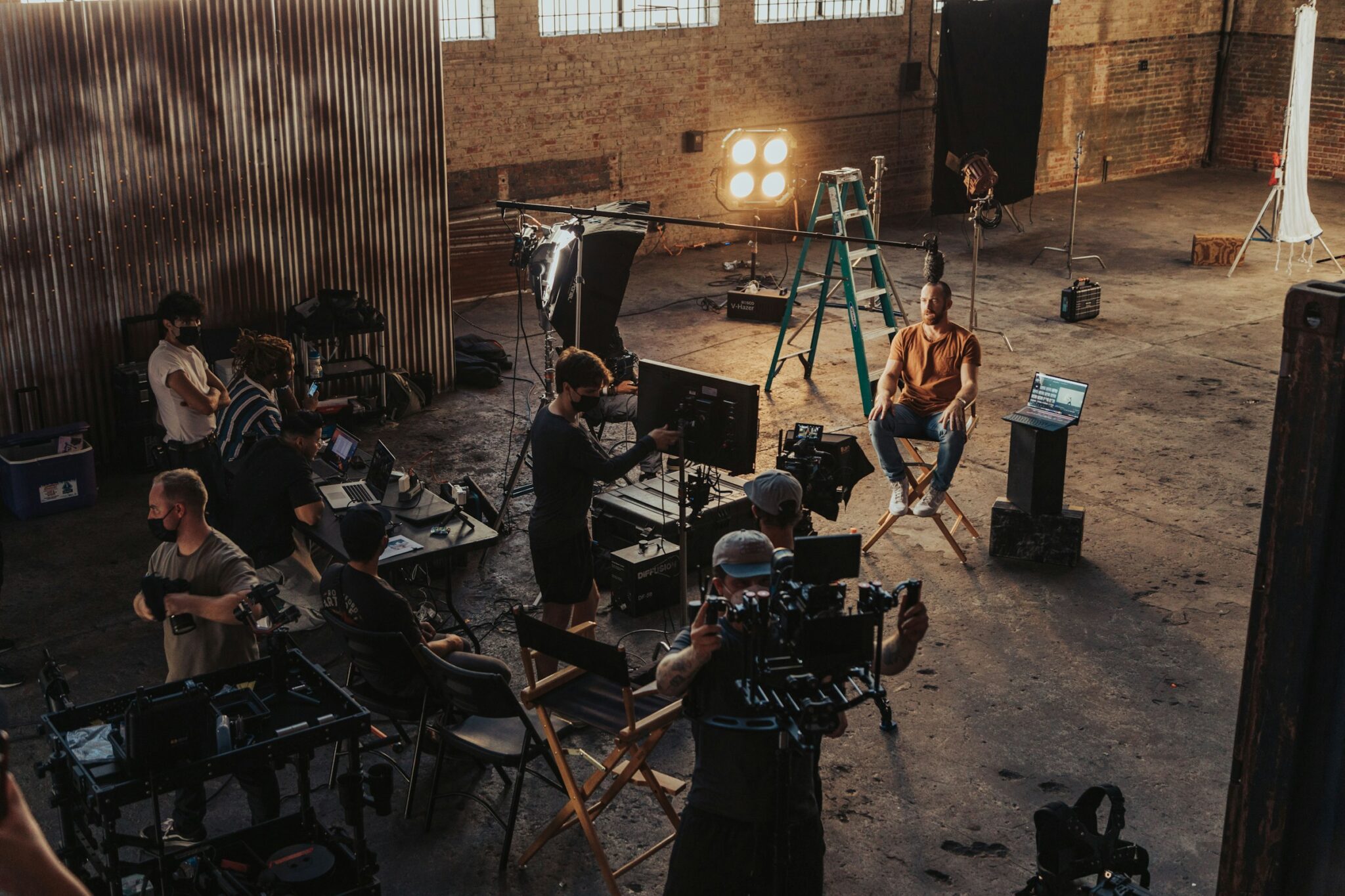
Whether you are a visiting production, an international NGO sending its own director, or a Kenyan organisation building a crew for the first time, hiring locally saves money and opens doors. This guide covers who you need, what published rates look like, and the checks that protect your production.
Published figures checked on 29 September 2026. US dollar amounts are approximate and update automatically, using a market rate of KSh 129.73 to US$1 (15 October 2026).
The core roles
- Producer or production manager: schedules, budgets, permits, logistics and people.
- Director: the creative lead; on small NGO shoots often also the producer.
- Camera operator or director of photography: image, lighting and camera kit.
- Sound recordist: clean interview and location sound. Often cut from budgets, and usually regretted.
- Fixer or location coordinator: access, community entry and local knowledge.
- Drone pilot: must hold a Kenya Civil Aviation Authority Remote Pilot Licence and fly under an operator certificate. See drone filming in Kenya.
- Photographer: stills during the shoot, often the best-value addition.
- Translator or interviewer: for interviews in Kiswahili or local languages.
What published rates look like
| Item | Published range (KSh) | Approx. US$ |
|---|---|---|
| Crew, per person per day | 5,000 to 30,000 | US$39 to US$231 |
| Camera kit hire, per day | 10,000 to 50,000 | US$77 to US$385 |
| Editing, per finished minute | 10,000 to 50,000 | US$77 to US$385 |
Source: Oramedia (undated, so treat as indicative). On the freelance marketplace Upwork, Kenyan videographer profiles shown in September 2026 listed hourly rates from about US$22 to US$50, but that is a small sample, not a market average. Rates depend heavily on experience, kit and the type of production.
Crew size by production type
- Interview-led NGO film: director, camera, sound. Three people.
- Documentary in the field: add a fixer and, where relevant, a photographer or second camera.
- Conference or event: two or three camera operators, sound, and a photographer.
- Conservation or aerial work: add a licensed drone pilot and ranger escort where required.
Seven checks before you hire
- Licensing: the production needs a KFCB filming licence, and foreign productions must be facilitated by a locally registered film agent. See our permits guide.
- Tax invoices: since January 2026, KRA checks business expenses against eTIMS records. Ask whether crew and suppliers can issue eTIMS invoices.
- Drone credentials: ask for the pilot’s KCAA licence and the operator certificate.
- Kit and backups: spare batteries, media and power options for remote locations.
- Consent process: who will explain consent to participants, and in which language?
- Insurance: equipment and public liability cover for the shoot.
- References: recent similar work, and someone you can call.
Freelancers or a production company?
Assembling freelancers can be cheaper on paper, but someone has to manage permits, logistics, consent and delivery. A production company takes that on and is accountable for the result. Read fixer or production company? for the trade-offs.
Frequently asked questions
Can a foreign crew work in Kenya without local crew?
Foreign productions must be facilitated by a locally registered film agent and need their own permits, including Special Passes for non-East African crew. Most also hire local crew to reduce costs.
Do day rates include equipment?
Often not. Check whether camera, sound and lighting kit is included or charged separately.
Afrovo Studios provides local crew and production services from Nairobi.
Afrovo Studios is a Nairobi-based production company making documentaries and films for NGOs, conservation groups and purpose-led organisations across East Africa. If you are planning a project, get in touch.