Conference Videography Checklist for Nairobi Events
Filming a conference in Nairobi? Plan outputs, venue access, sound-desk audio, consent under the Data Protection Act, shot lists and delivery with this checklist.
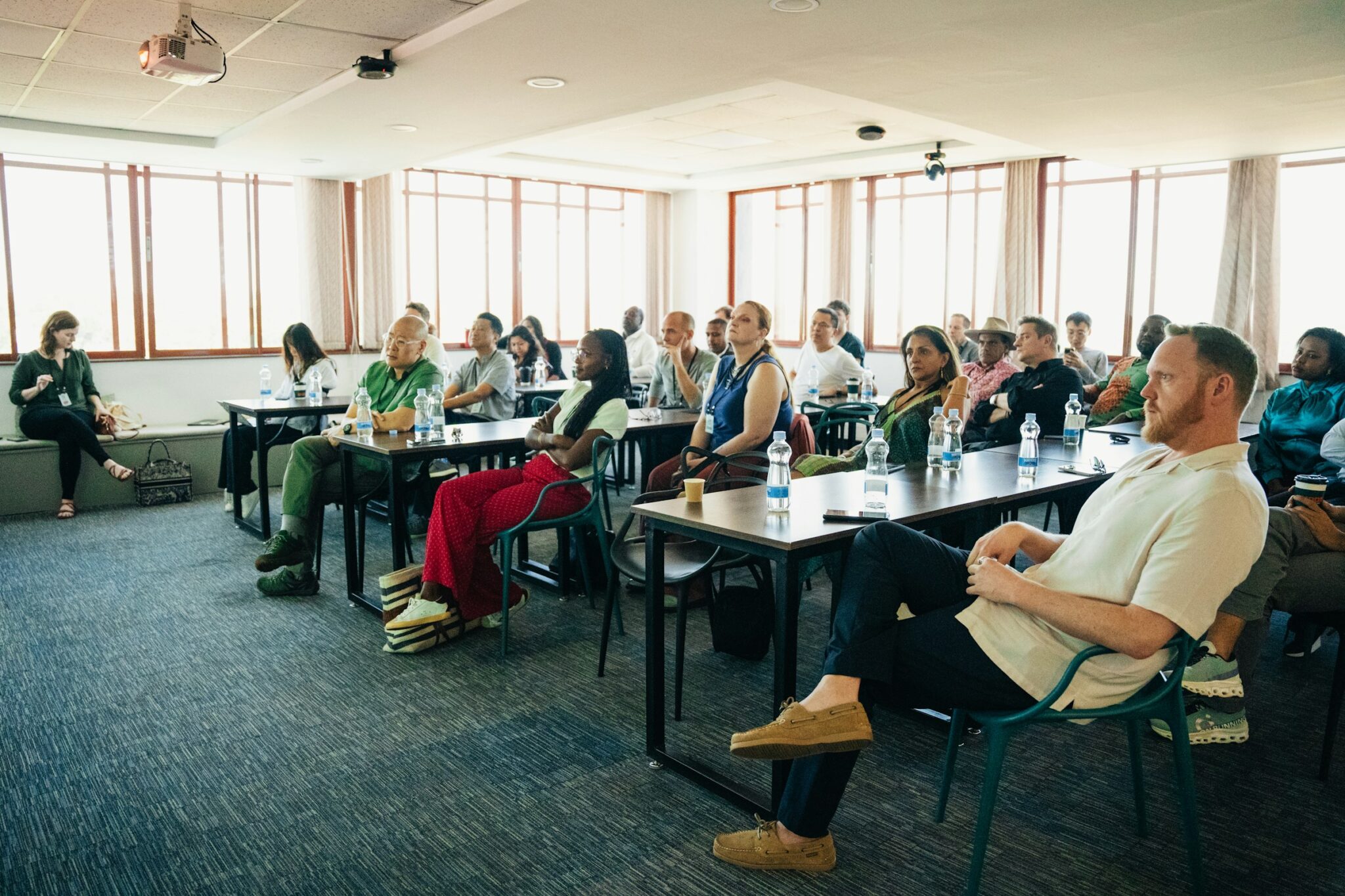
A conference lasts two or three days. The footage from it can work for a year: highlight reels for the next edition, speaker clips for social media, evidence for donors and sponsors, and an archive of what was said. Whether you get that value depends far more on planning than on the camera, and most of the planning has to happen before anyone arrives at the venue.
This checklist is for communications teams, event organisers and programme staff commissioning video coverage of a conference, summit or forum in Nairobi. It covers what to decide early, what to agree with the venue, how to handle consent, and what to ask for at delivery. For the wider range of what we film, see our services.
Six to eight weeks out: decide what the footage is for
Every later decision follows from one question: what will you do with the video once the event is over? Write down the outputs before you brief anyone. Typical ones include:
- a two- to three-minute highlights film for your website and next year’s sponsorship pitch;
- short clips of individual speakers for LinkedIn, X and Instagram, often in vertical format;
- full recordings of plenary sessions for people who could not attend;
- interviews with delegates, partners or beneficiaries for a donor report;
- same-day or next-morning clips for social media while the event is still running.
A highlights film needs a roaming camera, interviews and plenty of atmosphere. Full session recordings need fixed cameras, clean audio from the sound desk and someone watching every minute. Same-day clips need an editor on site. These are different jobs with different crews, and a quote that does not say which ones it covers is hard to compare. Our checklist for video production quotes sets out what a clear quote should include.
Agree the essentials with the venue
Nairobi’s conference venues, from large convention centres to hotel ballrooms and UN and embassy compounds, each have their own rules. Ask the venue, in writing, about:
- Access and load-in times. When can the crew arrive, where can vehicles park and unload, and is there a lift to the hall?
- Security accreditation. High-level events often need crew names, ID details and equipment lists days in advance. Late additions may be refused at the gate.
- Power and cabling. Where can cameras plug in, and are cables across walkways allowed?
- Camera positions. Is there a riser at the back of the hall? Are cameras allowed in the aisles or at the front of the stage?
- Restricted areas and sessions. Some rooms, delegations or closed-door sessions may be off limits.
- Drones. Outdoor aerial shots of a venue need permission from the venue and must comply with Kenya Civil Aviation Authority rules. Much of Nairobi lies close to controlled airspace around its airports, so do not assume a quick aerial shot is possible. Our post on Kenya’s 2026 drone regulations explains what changed this year.
Sort out audio before anything else
Audiences forgive slightly soft pictures. They do not forgive speeches they cannot hear. For any session you plan to publish, the crew should take a feed directly from the venue’s sound desk rather than relying on a microphone on the camera. That means:
- introducing your crew to the audio-visual supplier before the event, not on the morning;
- confirming the type of output the desk provides and that a spare channel is free;
- making sure questions from the floor go through a handheld microphone, or they will be lost;
- recording a backup track on a separate device in case the desk feed drops.
For interviews, ask for lavalier (clip-on) microphones and a quiet room away from the main hall. Corridors outside a busy plenary are noisy, and a five-minute walk to a breakout room usually saves the interview.
Consent, data protection and name badges
Filming a conference means recording hundreds of people, and in Kenya images of identifiable people are personal data under the Data Protection Act 2019. The Office of the Data Protection Commissioner has taken this seriously in practice. In January 2025, for example, it ordered a company to pay KSh 500,000 (US$3,850) in compensation for using a former sales agent’s photograph in marketing material without his consent, finding that the company could not prove that consent had been given.
A sensible approach for conferences has several layers:
- Tell people in advance. State in the registration form and joining instructions that the event will be filmed and photographed, how the footage will be used and whom to contact with concerns.
- Signal it on the day. Put clear signs at entrances and give attendees an easy way to opt out, such as a coloured lanyard or sticker meaning “please do not film me”.
- Get written consent for interviews. Anyone interviewed or featured prominently should sign a release that covers the specific uses you have in mind.
- Take extra care with vulnerable participants. Children, survivors, patients and community members attending as beneficiaries need informed, individual consent, and sometimes should not be filmed at all.
- Brief your speakers. Confirm that each speaker agrees to their session being recorded and published, and note any slides that cannot be shown.
Our ethical storytelling policy sets out the standard we apply. None of this is legal advice; if your event involves sensitive groups, check your approach with your data protection officer.
US dollar amounts are approximate and update automatically, using a market rate of KSh 129.91 to US$1 (27 October 2026).Build a shot list around the programme
Once the agenda is final, go through it with your crew and mark what matters most. A good shot list for a conference usually includes:
- the opening and closing sessions, and any keynote with a senior guest;
- wide shots that show the size of the audience, taken when the hall is fullest;
- arrivals, registration, networking breaks and exhibition stands for atmosphere;
- signing ceremonies, launches or announcements, with the exact time and stage position confirmed;
- a list of named people to interview, with a member of your team to find and introduce them;
- branding: banners, backdrops and sponsor logos, if sponsors expect to see them.
Give the crew one contact person on your side who can make quick decisions on the day. Schedules always slip, and a camera operator waiting for permission to move rooms is missing the session that matters.
On the day
- Hold a short crew briefing before doors open to walk through the agenda, camera positions and opt-out signals.
- Keep a running log of sessions, speakers and timecodes. It makes editing much faster and helps when someone later asks for “the bit where the minister mentioned financing”.
- Back up memory cards to two drives before cards are reused, ideally at every break.
- If you need same-day clips, agree a cut-off time, an approval route and who will post them.
Language and accessibility
Many Nairobi events run in English with sessions or contributions in Kiswahili, and regional events can include French. Decide early whether you will subtitle, translate or produce separate versions, because it affects editing time and cost. Captions also help viewers watching on mobile phones with the sound off, which is how much conference content on social media is watched.
What to ask for at delivery
Agree in the contract what you will receive and when. A complete handover usually includes:
- the edited films in the formats and aspect ratios you need, including vertical versions for social media;
- caption files where captions are not burned into the picture;
- full session recordings, if part of the brief;
- a selection of graded stills or the raw footage, if you need them for your archive;
- signed consent forms and a note of anyone who opted out, so future edits respect their wishes.
Be clear on how many rounds of revisions are included, how long raw footage will be kept, and who owns it. These details cause more disputes after an event than anything that happens on the day.
Frequently asked questions
How far in advance should we book a conference videographer in Nairobi?
For a multi-day conference, aim for six to eight weeks so there is time to agree outputs, visit or call the venue, arrange security accreditation and connect with the audio-visual supplier. Smaller, single-day events can be planned in two to three weeks if the brief is clear.
Do we need consent from everyone who appears in conference footage?
Images of identifiable people are personal data under Kenya’s Data Protection Act 2019. Tell attendees in advance and on the day that the event is being filmed, give them a simple way to opt out, and get written consent from anyone interviewed or featured prominently. Take particular care with children and vulnerable participants.
How many cameras does a conference need?
It depends on the outputs. A highlights film can be shot with one or two roaming cameras. Full recordings of plenary sessions usually need at least two fixed cameras, a wide shot and a close-up on the speaker, with audio taken from the sound desk.
Can we fly a drone at an event venue in Nairobi?
Only with the venue’s permission and in line with Kenya Civil Aviation Authority rules, which require a licensed pilot and the right approvals. Much of Nairobi is close to controlled airspace around its airports, so check early whether aerial filming is possible at your venue.
Afrovo Studios is a Nairobi-based video production company working across East Africa, making documentaries, campaign films and corporate video for NGOs, conservation organisations and brands. Get in touch to talk about your next project.