

Conservation and Wildlife Filming in Kenya
Conservation, anti-poaching and wildlife films in Kenya, including conservation-technology stories. For conservancies, conservation NGOs and technology partners.
Conservation work is hard to film. Much of it happens at night, far from a road, with people whose safety depends on not being seen. Afrovo Studios has documented that work with ranger teams and technology partners, and we understand what can and cannot be shown.
What we film
- Anti-poaching and security technology: thermal cameras, radar, drones and control rooms, and the rangers who use them.
- Conservancy and community stories for donors, tourism partners and the communities themselves.
- Human-wildlife coexistence: fencing, water, livestock and the people who live alongside wildlife.
- Research and monitoring: collaring, translocations, surveys and the science behind them.
- Community documentation for conservation and carbon projects, recorded independently and with consent.
Path to Zero Poaching
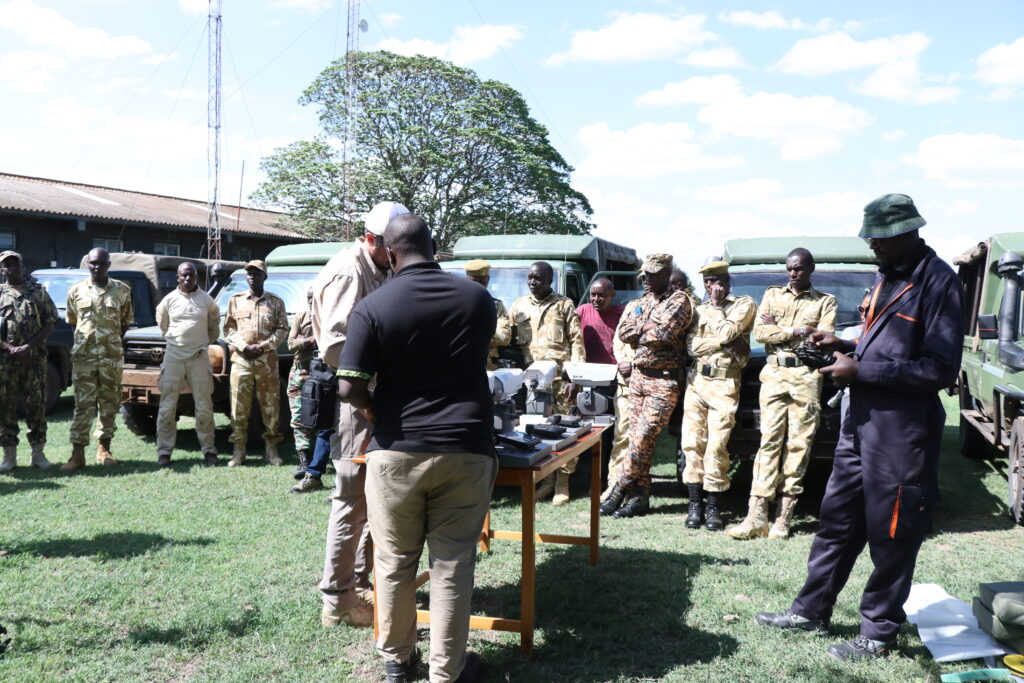
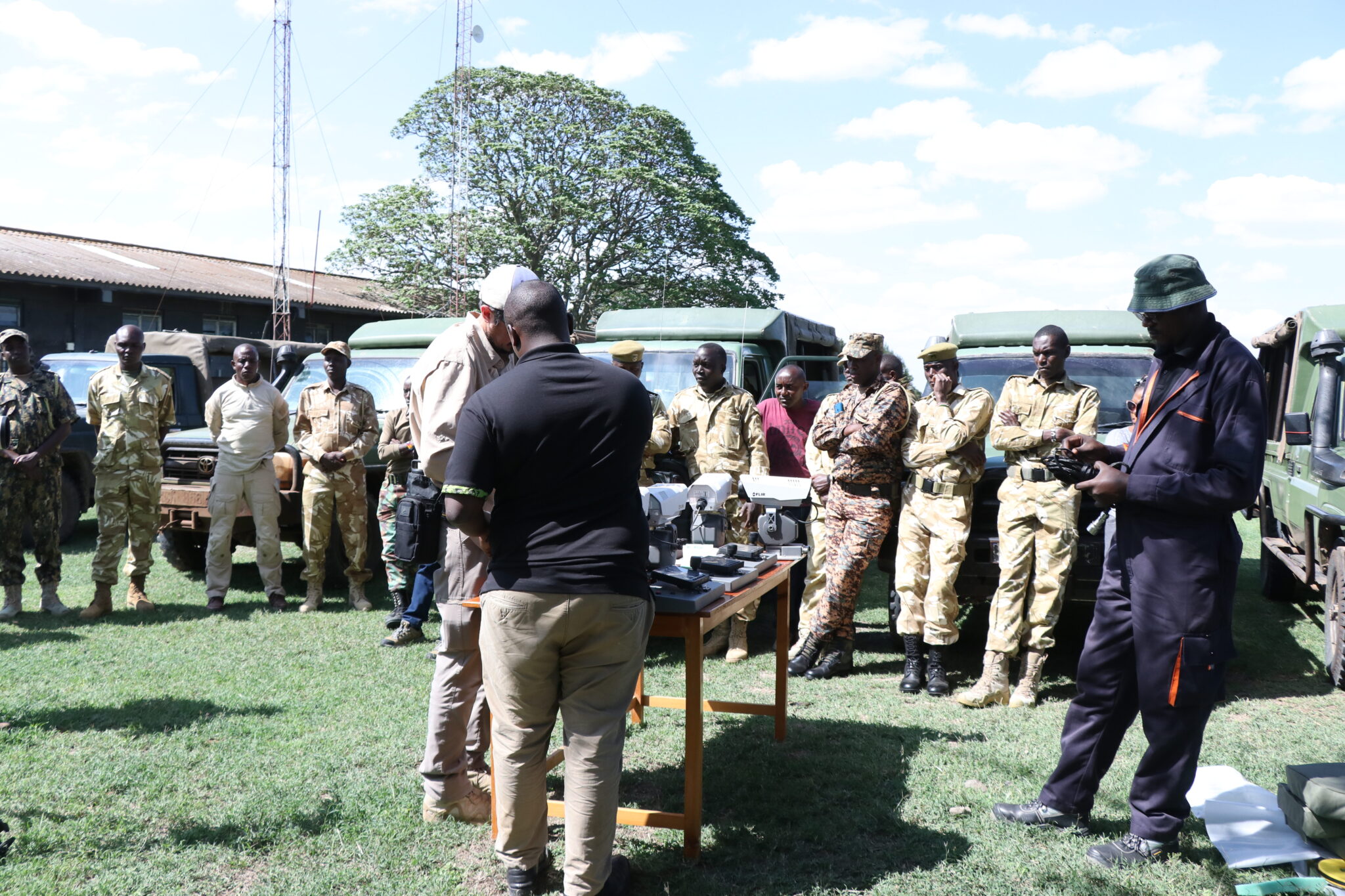
For Teledyne FLIR and WWF we produced Path to Zero Poaching and Path to Zero Poaching 2. The films document how truck-mounted thermal security cameras, rolled out with the Kenya Wildlife Service and several conservancies, help rangers spot threats through darkness and dense bush, and how rangers describe the difference it has made.
Working safely and responsibly
- Operational security. We agree with you and the relevant authority what can be shown before filming. Locations, faces and methods are protected where needed, and nothing operational is published without clearance.
- Permits. Filming in national parks needs Kenya Wildlife Service approval and fees, drones need Kenya Civil Aviation Authority clearance, and conservancies set their own rules. We handle this as part of the plan.
- Communities. Conservation stories are community stories. Participants give informed consent, and we are careful that a film does not speak for people who were not asked.
- Wildlife welfare. We do not bait, chase or disturb animals for a shot.
Planning to film in the Mara? Read our guide to filming in the Maasai Mara.
Why a Kenyan crew
We are based in Nairobi, within a day’s drive of Laikipia, Meru, Samburu and the Mt Kenya conservancies. No international flights for the core crew keeps travel costs down, and means we can return for follow-up filming when a story develops, not just once.
See also: documentary production and NGO video production.
Frequently asked questions
Can you film at night?
Yes. Tell us what your team does at night and what technology it uses, and we will plan the equipment and security arrangements around it.
Can we include drone footage?
Yes, where it is allowed. Our drone pilots are KCAA-licensed and we operate under our own KCAA operator certificate, but each park or conservancy must also approve, and some do not allow drones at all. We check this at the planning stage and tell you early if it affects your plan. See drone and aerial filming.
Can you make versions for local communities?
Yes. We produce Kiswahili versions and can arrange other local languages, so the people in the film can see and share it.
Planning a film? Tell us what you need and when. We will come back to you with questions or a quote. Start a project or email dennis@afrovostudios.com.
What else we make
- 01NGO Video Production in Kenya and East Africa
- 02Fundraising Video Production for NGOs and Charities
- 03Documentary Production in Kenya
- 04Corporate Video Production in Nairobi
- 05Event Videography in Nairobi
- 06Training and Explainer Videos
- 07Drone and Aerial Videography in Kenya
- 08NGO and Documentary Photography in Kenya
- 09Kiswahili Voiceover, Subtitling and Video Translation
- 10Production Services in Kenya for Visiting Crews
- 11Video Production in East Africa