Filming in Kenya’s National Parks: KWS Rules for Crews
A practical guide to filming in Kenya national parks: KWS filming fees, drone charges, the KFCB licence, KCAA approvals and how to plan permits in time.
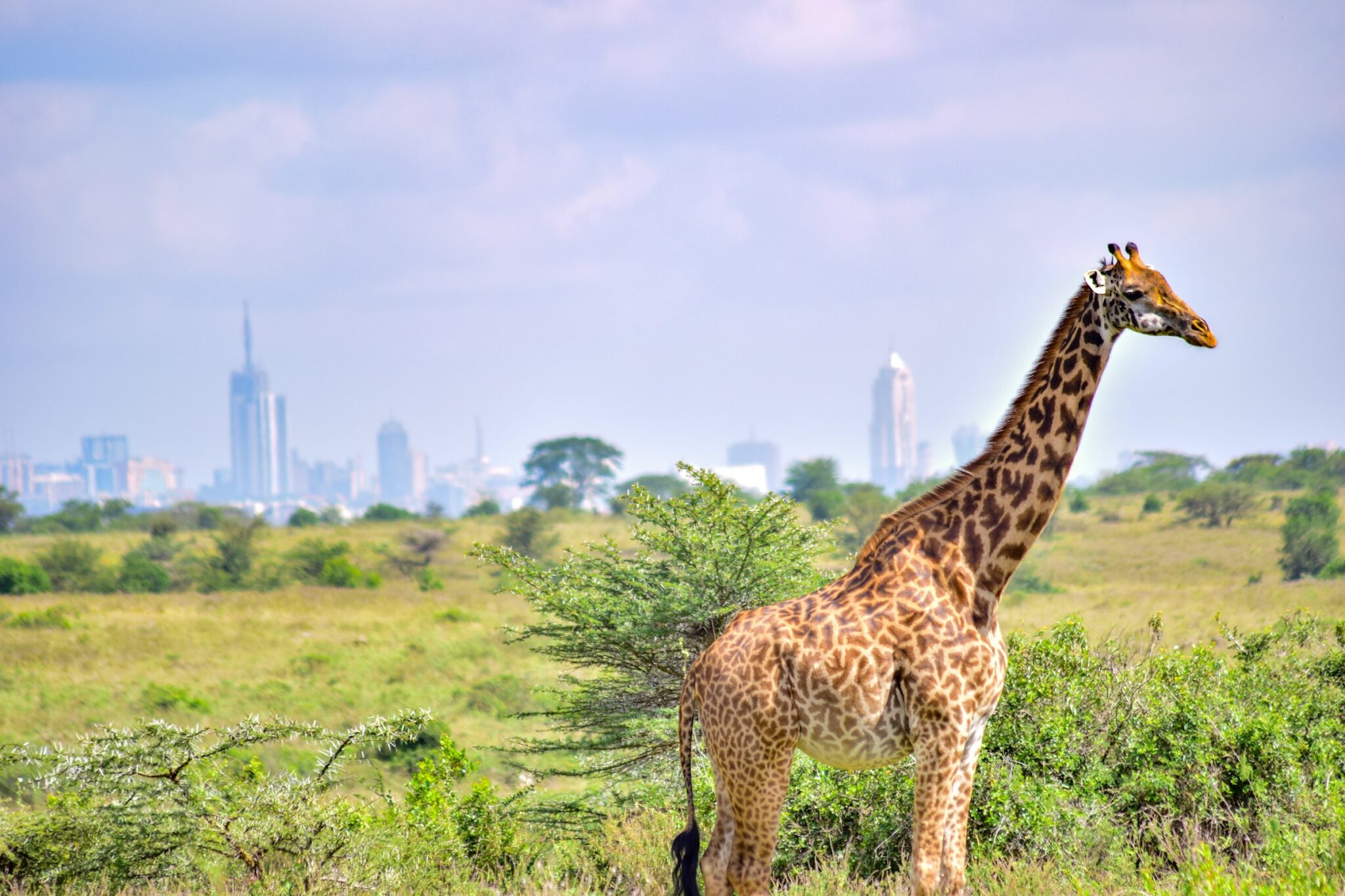
Kenya’s national parks are some of the most filmed landscapes on earth, and it is easy to assume that a park ticket and a good camera are all a crew needs. They are not. Filming in Kenya national parks for anything other than personal holiday footage brings in the Kenya Wildlife Service (KWS), and usually two or three other agencies as well. Get the paperwork right and the parks are remarkably welcoming to crews. Get it wrong and you can lose a day at the gate, or your drone.
This guide sets out what KWS expects from film and photography crews in 2026, what the published fees look like, how drones fit in, and how to plan the permits so they are ready before the first shooting day. It is written for NGO communications teams, conservation organisations and companies commissioning work in the parks, as much as for the crews themselves.
Which places KWS actually covers
KWS manages Kenya’s national parks and a number of national reserves: Nairobi, Amboseli, Tsavo East and West, Lake Nakuru, Mount Kenya, Hell’s Gate and the marine parks among them. If your location is one of these, KWS is the authority you deal with.
Not every famous wildlife area is a KWS park, though. The Maasai Mara National Reserve is run by the county, not KWS, with Narok County setting its own management plan, fees and licensing, so the rules and charges are different. We cover it separately in our guide to filming in the Maasai Mara. Private and community conservancies, such as Ol Pejeta and Loisaba in Laikipia, are also outside the KWS fee schedule and set their own filming terms. Always confirm who manages the land before you budget.
Three approvals most crews need
For a commercial, documentary or NGO production, think of the permissions as three layers that sit on top of one another.
- A filming licence from the Kenya Film Classification Board (KFCB). This covers filming anywhere in Kenya. KFCB’s 2026 service charter lists a licence fee of KSh 5,000 US$38 per film for documentaries, short films and corporate or promotional videos, plus KSh 1,000 US$8 per filming day, with the licence issued within one working day once the application is complete. You will need a synopsis, script, treatment or storyboard, a shooting schedule and an equipment list. Our step-by-step guide to the KFCB filming licence application covers it in detail.
- KWS authority to film in the park. KWS permission is separate from the KFCB licence, and the KFCB licence does not replace it. Applications are now made through KWS’s eCitizen channel, and approval is not automatic.
- Aviation approvals, if you fly a drone. These come from the Kenya Civil Aviation Authority (KCAA) and are covered below.
Foreign crew have further steps: a Special Pass from the Directorate of Immigration Services for short-term work, and temporary importation of equipment through the Kenya Revenue Authority, which the Kenya Film Commission says involves a refundable security bond of KSh 30,000 US$231 for accompanied equipment. Our guide to filming permits in Kenya in 2026 walks through these in more detail.
KWS filming and photography fees
KWS fees are set by the Wildlife Conservation and Management (Access, Entry and Conservation) (Fees) Regulations, 2025, published as Legal Notice 160 of 2025 and applied from 1 October 2025. They were the first wholesale revision of park fees in many years, and they introduced separate rates for East African citizens, Kenyan residents, African citizens and non-residents.
Filming fees by crew size
Published summaries of the 2025 schedule show commercial filming charged by the size of the crew, per week:
- 1 to 5 crew: KSh 16,000 US$123 for citizens and residents, or USD 200 for non-residents.
- 6 to 10 crew: KSh 24,000 US$185, or USD 350.
- 11 or more crew: KSh 40,000 US$308, or USD 500.
Commercial photo sessions are listed separately at KSh 20,000 US$154 or USD 300. These amounts are drawn from several independent summaries of the schedule rather than a document we could reproduce in full, so ask KWS to confirm the exact rate and billing period for your production when you apply.
Park entry is charged on top
Filming fees do not include conservation (entry) fees. Every crew member pays daily entry, and so does each vehicle. Under the 2025 schedule, an adult East African citizen pays KSh 1,000 US$8 a day for Nairobi National Park and a Kenyan resident KSh 1,350 US$10, while a non-resident pays USD 80. Amboseli and Lake Nakuru are higher, at KSh 1,500 US$12 for citizens and USD 90 for non-residents. A small vehicle with fewer than six seats is charged KSh 600 US$5 a day. On a week-long shoot with a mixed local and international crew, entry fees can easily exceed the filming fee itself.
A note on the court case
On 2 October 2025, the High Court in Nairobi issued a conservatory order on the new fees after a petition by the Kenya Tourism Federation. Industry reports through 2026 indicate the case is still before the court, while KWS has continued to publish the October 2025 tariff and to charge it through its payment systems. In practice, budget on the 2025 rates, pay what the eCitizen system quotes at the time of booking, and keep your receipts.
Drones in national parks
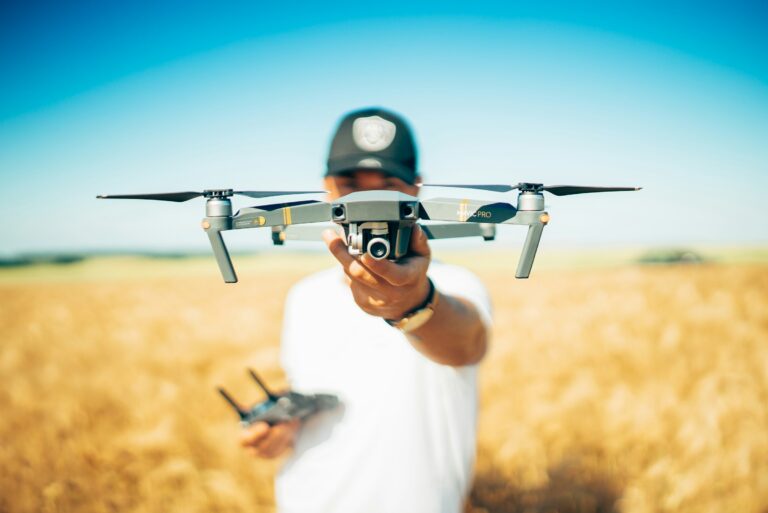
Drones cause more problems at park gates than anything else. Two separate permissions are needed, and neither replaces the other.
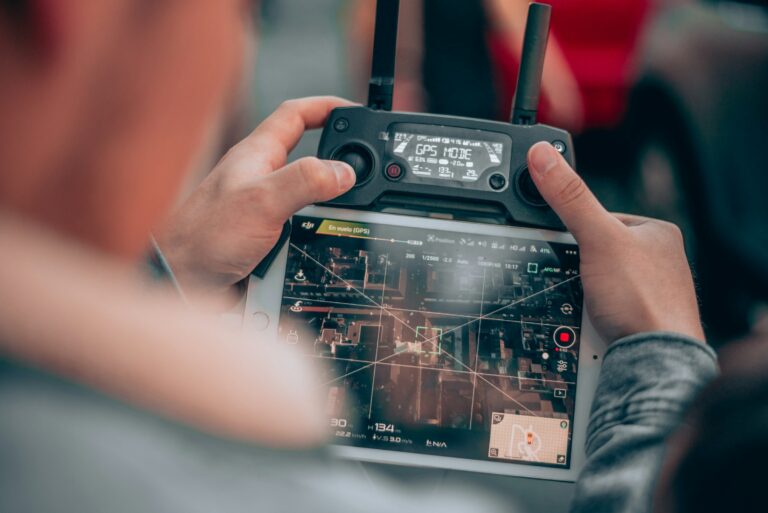
First, the aviation side. Drones in Kenya are governed by the Civil Aviation (Unmanned Aircraft Systems) Regulations, 2025, published as Legal Notice 40 of 2026, which updated the 2020 rules. Commercial operations require an RPAS Operator Certificate (ROC) from KCAA, and pilots on medium- and higher-risk operations need a remote pilot licence. The Kenya Film Commission also notes that drone operation involves security clearance before KCAA approval. Flights are limited to 400 feet above ground and must stay within the pilot’s visual line of sight.
Second, KWS. A park entry ticket does not include drone use. The 2025 schedule charges KSh 5,000 US$38 per drone per day for citizens and residents, and USD 300 per day for non-residents and African citizens, and KWS must authorise the flying itself. Declare the drone at the gate even if you do not plan to fly that day.
Beyond the rules, there is the welfare question. Noise and a hovering shape overhead can disturb animals that are resting, feeding or with young, and a ranger is entitled to stop a flight that is upsetting wildlife or other visitors. Plan aerial shots for open landscapes and wide establishing views, and keep low passes over animals off the shot list. If you are costing aerial work, our breakdown of drone filming costs in Kenya explains what drives the price.
Working with rangers and wardens
Expect to report to the park warden or the gate office on arrival, with your KWS authorisation, KFCB licence and drone approvals in hand. Depending on the location and the nature of the shoot, KWS may attach a ranger or liaison officer to the crew, particularly for off-road work, walking sequences or filming near sensitive sites. Whether this is required, and what it costs, varies by park and is set out in your authorisation, so ask when you apply rather than assuming.
Rangers are worth far more than compliance. They know where the animals have been moving, which tracks are passable after rain and which areas are closed. When we filmed the Path to Zero Poaching films with Teledyne FLIR and WWF, the most valuable footage came from time spent alongside ranger teams, on their terms and at their pace. Treat rangers as collaborators, not escorts, and check before filming them, their equipment or their operating bases, which can be security-sensitive.
Practical rules that catch crews out
- Stay in the vehicle and on the tracks unless your authorisation explicitly allows otherwise. Off-road driving for a better angle is a common reason for crews to be stopped.
- Respect park hours. Golden-hour sequences at dawn and dusk sit right at the edges of opening times. Night filming needs specific permission.
- Do not bait, call or herd animals to set up a shot.
- Keep your paperwork physical and digital. Mobile signal is patchy in many parks, so print the authorisation and receipts.
- Allow for time. KWS does not publish a fixed turnaround for filming authorisations. Apply well before the shoot, and earlier still if foreign crew, imported equipment or drones are involved.
Planning a park shoot with an NGO or conservation partner
Many park productions are commissioned by conservation organisations whose own field teams work alongside KWS. That can help with access, but it does not replace the filming permissions. Agree early who holds the KFCB licence and who applies to KWS, who pays the filming and entry fees, and how contributors such as rangers and community scouts will give informed consent. Those conversations are much easier before the crew is at the gate. Our conservation and wildlife filming page sets out how we plan this kind of work with programme and communications teams.
Frequently asked questions
Do I need a permit to film in Kenya’s national parks?
Yes, for any commercial, documentary or organisational production. You need a filming licence from the Kenya Film Classification Board and separate authority from the Kenya Wildlife Service, plus KCAA approvals if you use a drone. Personal holiday footage on a standard park ticket is treated differently.
How much does KWS charge for filming in a national park?
Published summaries of the 2025 fee schedule show filming charged per week by crew size: KSh 16,000 for one to five crew members (USD 200 for non-residents), rising to KSh 40,000 (USD 500) for eleven or more. Park entry and vehicle fees are charged on top. Confirm the current rate with KWS when you apply.
Can I fly a drone in a Kenyan national park?
Only with both aviation and park approval. Commercial operators need a KCAA operator certificate and licensed pilots, and KWS charges a separate daily drone fee of KSh 5,000 for citizens and residents or USD 300 for non-residents. A park ticket alone does not allow you to fly.
Is the Maasai Mara covered by KWS filming rules?
No. The Maasai Mara National Reserve is managed by Narok County, not KWS, and sets its own fees and filming arrangements. Private conservancies such as Ol Pejeta and Loisaba also have their own terms.
Afrovo Studios is a Nairobi-based video production company working across East Africa, making documentaries, campaign films and corporate video for NGOs, conservation organisations and brands. Get in touch to talk about your next project.