Filming in the Maasai Mara: Permits, Fees and Rules for Production Teams (2026)
Filming fees, permits and rules for professional crews in the Maasai Mara: Narok County charges, Mara Triangle rules, drones, entry fees and consent.
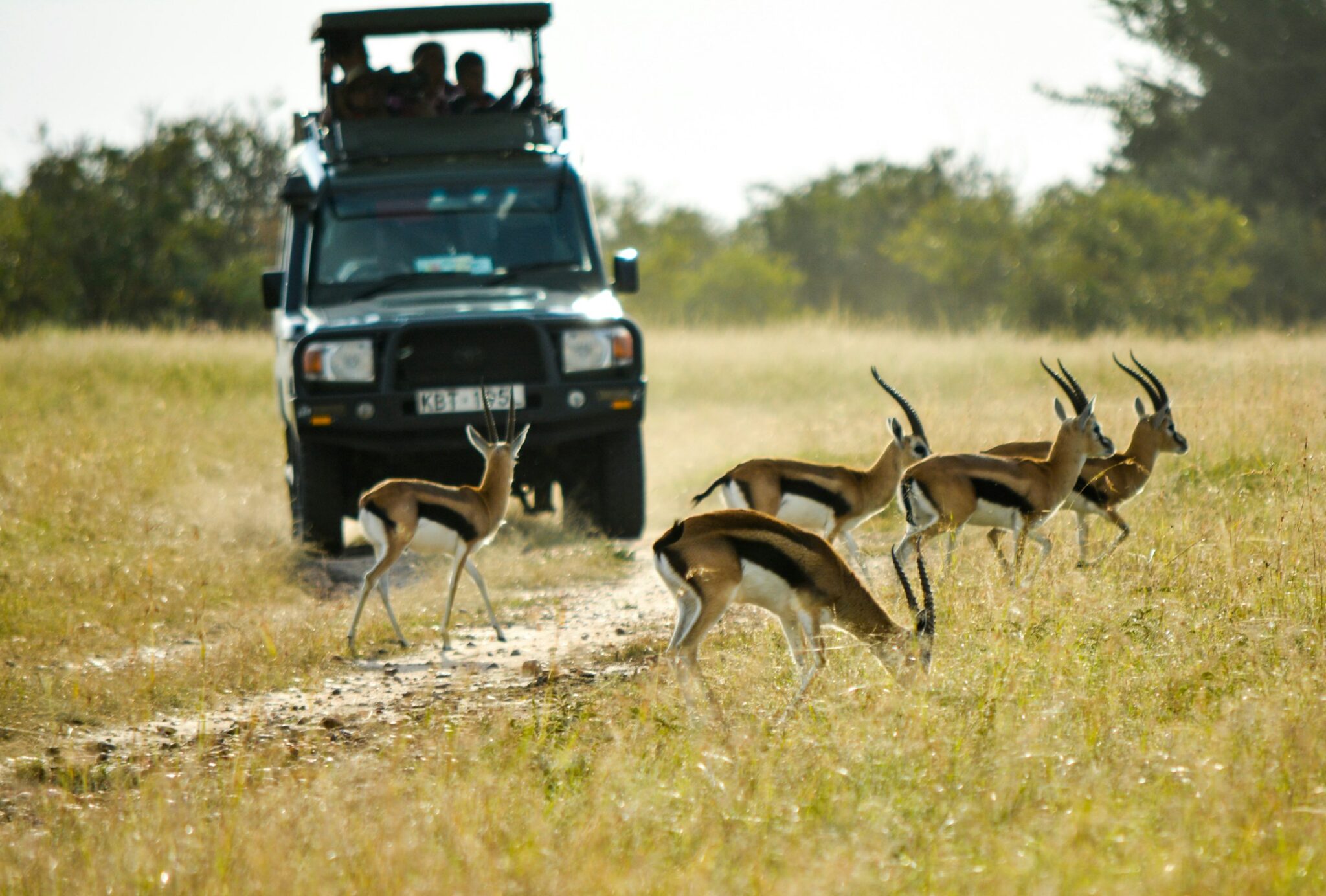
The Maasai Mara is one of the most filmed places in Africa, and one of the most expensive and tightly controlled places to film professionally. If you are planning a documentary, a conservation film or a campaign shoot in the Mara, this guide sets out who you need permission from, what the published fees are, and what the rules on the ground mean for your schedule.
Checked on 29 September 2026 against the primary documents linked below. Fees and rules change, so confirm with the relevant authority before you budget.
US dollar amounts are approximate and update automatically, using a market rate of KSh 129.73 to US$1 (15 October 2026).
(28 September 2026).
Who manages the Mara
- Maasai Mara National Reserve (Narok side): managed by the Narok County Government, which sets entry and filming fees in its county finance legislation. It is not a Kenya Wildlife Service park.
- The Mara Triangle: the western part of the reserve, managed by the Mara Conservancy, which has its own filming rules.
- The conservancies around the reserve (for example Mara North, Naboisho and Olare Motorogi): privately and community run, each with its own terms for filming and drones.
On top of these, every professional production in Kenya needs a filming licence from the Kenya Film Classification Board. See our guide to filming permits in Kenya.
Filming fees in the Maasai Mara National Reserve
Narok County’s Finance Bill 2024 (dated April 2024) lists the following special-activity charges for the reserve. The approved 2023/24 rates and the proposed 2024/25 rates are the same.
| Activity | Crew size | Fee per week (KSh) | Approx. US$ |
|---|---|---|---|
| Filming, recording video and photography | 1 to 5 people | 1,000,000 | US$7,710 |
| Filming, recording video and photography | 6 to 10 people | 1,500,000 | US$11,600 |
| Filming, recording video and photography | 11 to 20 people | 5,000,000 | US$38,500 |
| Live channel broadcast | 1 to 5 / 6 to 10 / 11 to 20 people | 1,000,000 / 1,500,000 / 5,000,000 | US$7,710 / US$11,600 / US$38,500 |
| Cinematography (listed per truck or tractor) | 1 to 5 / 6 to 20 / 20 to 50 people | 60,000 / 100,000 / 200,000 | US$463 / US$771 / US$1,540 |
Two points to note. First, the schedule lists a separate, much lower “cinematography” line alongside the main filming line, and it does not explain the difference; ask Narok County which applies to your production before you budget. Second, we could not find a later county schedule than this one online, so confirm the current rates with the county.
How the Mara compares
For scale: a crew of one to five filming in a Kenya Wildlife Service national park pays a filming fee of KSh 16,000 (about US$123) per week under the fees in force since October 2025, on top of park entry. The Mara reserve’s published filming fee for the same crew size is KSh 1,000,000 (about US$7,710) per week. That is roughly sixty times more, before entry fees.
The conservancies around the reserve set their own filming terms, and we have not found published rates for them, so we cannot say how they compare in general. For many productions, though, it is worth asking whether the story needs the reserve itself, or whether a conservancy, or another location entirely, would serve it as well. Get written quotes before you commit, and build the fees into the budget from the first draft.
Entry fees still apply
Filming fees are charged on top of daily park entry. The same Narok County schedule lists non-resident adult entry at US$100 per day from January to June and US$200 per day from July to December, and Kenyan citizen adults at KSh 1,500 (about US$12) and KSh 3,000 (about US$23) for the same seasons. Vehicle entry fees are charged separately.
Rules on the ground in the Mara Triangle
The Mara Conservancy’s filming page sets out rules that shape how a crew works:
- Still photography and private video do not need a filming fee; commercial and documentary filming need a permit.
- No off-road driving in the High Use Zone; elsewhere, only with prior permission from the Conservancy’s CEO, and you may need ranger escort.
- No night filming and no filming on foot without prior permission and ranger escort.
- No remote or camera-trap cameras without prior permission.
- Filming the Conservancy’s own work, such as anti-poaching, needs a written proposal and schedule.
Expect similar controls across the reserve, and plan the extra time and ranger costs into your schedule.
Drones in the Mara
Drone filming in and around the Mara is heavily restricted. Every flight needs Kenya Civil Aviation Authority requirements to be met, and KCAA rules limit flying near aerodromes; the Mara has several airstrips. On top of that, the reserve management or the conservancy must approve, and several conservancies generally decline drone requests. Treat drone footage in the Mara as possible only with early, written approval, and have a fallback plan. We cover the national rules in drone and aerial filming in Kenya.
Filming people in and around the Mara
Maasai communities live in and around the reserve and conservancies. Filming people needs their informed consent, in a language they understand, for the specific uses you plan, and Kenya’s data protection guidance applies whether or not you are in a public place. See our field guide to consent and ethical storytelling.
Planning checklist
- KFCB filming licence.
- Written approval and fee confirmation from Narok County (reserve) or the Mara Conservancy (Triangle).
- Written terms from any conservancy you will film in.
- Drone approvals, if any, applied for early.
- Ranger escort and any off-road or night permissions.
- Consent forms for everyone you will film.
- A budget that includes filming fees, daily entry for every crew member, and vehicle fees.
Frequently asked questions
Do tourists need a filming permit in the Maasai Mara?
No. Personal photos and video do not need a filming fee. Commercial and documentary filming do.
How much does it cost to film in the Maasai Mara?
Narok County’s published schedule lists KSh 1,000,000 (about US$7,710) per week for a crew of one to five for filming, recording video and photography, rising with crew size, plus daily entry fees. Confirm the current rates and which fee line applies with the county.
Can we fly a drone in the Maasai Mara?
Only with KCAA requirements met and written approval from the reserve management or conservancy. Approval is difficult to get, so plan an alternative.
Is filming in the conservancies cheaper?
Each conservancy sets its own terms, so costs and rules vary. Ask each one directly and get the terms in writing.
Afrovo Studios is a Nairobi-based production company. We plan permits and logistics for productions across Kenya; see production services for visiting crews and conservation and wildlife filming.