Special Passes for Foreign Film Crews in Kenya
Filming in Kenya with an international crew? Who needs a Special Pass, the US$200-a-month fee, documents, timelines and how it fits with your KFCB licence.
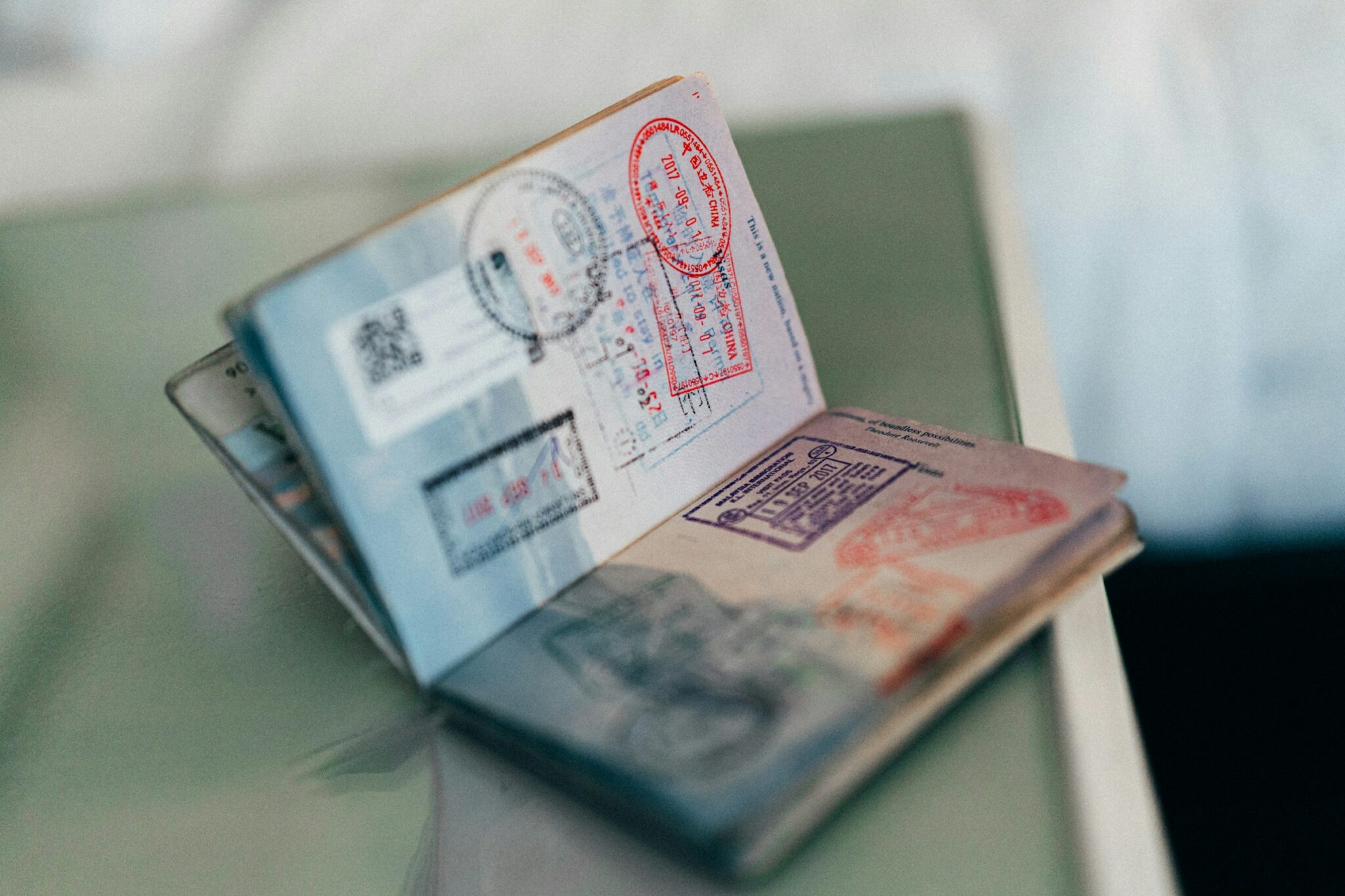
If your crew includes anyone who is not a citizen of an East African Community country, filming in Kenya needs more than a flight and a filming licence. Each foreign crew member who will be working needs a Special Pass from the Directorate of Immigration Services. This guide explains what the pass is, what it costs in 2026, what to submit and how to time it so that nobody arrives without one.
Everything below was checked against the Directorate’s own pages on 19 October 2026. Immigration rules change, and the official portal is always the final word, so confirm before you book flights.
What a Special Pass is, and why visiting crews need one
The Directorate of Immigration Services describes the Special Pass as an authorisation for a foreigner who wishes to enter and remain in Kenya for a period not exceeding six months, for business, trade or professional work. A film shoot falls squarely into that last category. Your director, camera operator and sound recordist are working in Kenya, even if they are paid abroad and the shoot lasts only ten days.
That is the point many productions miss. Being able to enter Kenya, whether visa-free or with an Electronic Travel Authorisation (eTA), is not the same as being allowed to work here. An eTA lets you travel; the Special Pass is what covers the work. The Kenya Film Classification Board (KFCB) makes the same point in its own guidance for foreign filmmakers: international crews planning filming activities must obtain Special Passes from Immigration.
Who needs a pass and who does not
- Crew from outside the East African Community: each person who will work on the shoot needs a Special Pass.
- Citizens of East African Community partner states (Burundi, the Democratic Republic of the Congo, Rwanda, South Sudan, Tanzania and Uganda): the Directorate lists the Special Pass as free for East Africans. Check the portal for whether an application is still needed.
- Foreign nationals already holding a valid Kenyan work permit that covers the work: a separate pass should not be needed, but confirm that the permit’s terms cover freelance production work.
- Kenyan citizens: no immigration paperwork, though they still sit under the production’s KFCB filming licence.
If you are unsure about a particular crew member, for example someone with residency but no work permit, ask the Directorate before travel rather than at the airport.
What it costs in 2026
The Directorate’s Special Pass page and its 2025 Service Delivery Charter both give the same fee: US$200 per month for non-East Africans, payable once the application is approved. East Africans pay nothing. The pass runs for up to six months, so a production that needs a crew member in Kenya for a long post-production stay or a multi-phase shoot can cover that within one pass.
Payment is made online. The Foreign Nationals Services portal accepts card and mobile money, and states that cash will not be accepted at the Immigration counter.
A word of warning about older figures. Some Kenyan embassy pages for filmmakers still list a special pass or work permit at KSh 15,000 US$115 and a separate KSh 2,000 US$15 per visitor. These reflect an earlier fee structure and an older application route through the film agent. Budget on the current official rate of US$200 a month per person, and treat any third-party figure as a guide only.
Documents you will need
The Directorate’s requirements list is written for business and professional visitors in general, so a film crew needs to read it with its own production in mind. As of October 2026 it asks for:
- Application Form 32, completed, signed and stamped by the organisation.
- A detailed cover letter from the applicant or organisation, addressed to the Director General of Immigration Services.
- A recent colour passport-size photograph, uploaded digitally.
- A copy of the bio-data page of a valid passport.
- Evidence of current immigration status, if the person is already in Kenya.
- The organisation’s certificate of incorporation or registration.
- Certified copies of academic and professional certificates, and a CV.
- Copies of any Kenyan permits or passes previously held, and a receipt for any permit still being processed.
- An original clearance letter from the relevant regulatory body, where applicable.
Documents not in English must be translated by an embassy, a notary public or a recognised institution.
For a film crew, the cover letter does most of the work. It should say what you are making, for whom, where you will film, the dates, and each person’s role. Keep it consistent with the KFCB licence application, the crew list and the equipment list, because officials may compare them. Whether Immigration wants a letter from KFCB as the “regulatory clearance” for your production is not spelled out on the Directorate’s page, so ask when you apply and keep your licence documents to hand.
How to apply, step by step
- Create or sign in to an eCitizen account. The Foreign Nationals Services portal (fns.immigration.go.ke) uses eCitizen sign-on.
- Choose the pass application and complete Form 32 online for each crew member.
- Upload the documents listed above, with the cover letter on the production’s letterhead.
- Wait for the decision. The Directorate’s 2025 charter commits to seven working days for a Special Pass.
- Pay on approval, then download and print the pass. Each crew member should carry a printed copy as well as a digital one.
Seven working days is a service target, not a guarantee. Incomplete applications, public holidays and portal outages all add time. For a planned shoot, we suggest submitting at least three to four weeks before the crew flies.
How the pass fits with the eTA and your filming licence
A visiting production usually deals with three separate permissions, issued by three different bodies. It helps to keep them apart.
1. Entry: the eTA. Most visitors need an Electronic Travel Authorisation before departure. The official eTA site gives a standard fee starting at US$30, with an expedited option at an extra US$100, and a usual processing time of about three business days. Citizens of East African Community states are exempt for stays of up to 180 days, and nationals of many other African countries are exempt for 60 or 90 days; the full list is on etakenya.go.ke. Holders of valid Kenyan work permits and passes are also exempt.
2. Work: the Special Pass. Covered above. It is the one that lets the crew work.
3. Filming: the KFCB licence. The production itself needs a filming licence from the Kenya Film Classification Board. KFCB’s published requirements give KSh 5,000 US$38 for documentaries, adverts and short productions, or KSh 15,000 US$115 for feature films and TV series, plus KSh 1,000 US$8 per filming day. KFCB also states that all expatriate filmmakers must be facilitated by a local film agent. Our step-by-step guide to the KFCB filming licence application walks through it, and our guide to filming permits in Kenya covers park fees and consent rules too.
On top of these come location permissions (national parks, county reserves, conservancies, private property) and, if you plan to fly, drone approvals. Foreign crews cannot simply bring a drone and fly it commercially; it is often simpler to have aerial work flown by a locally licensed team. Our drone videography page explains how that works.
Common mistakes that delay shoots
- Applying for the eTA and assuming that covers the work. It does not.
- Adding a crew member late. A replacement camera operator two days before travel needs their own pass, and seven working days will not fit.
- Inconsistent paperwork. Different dates or roles on the cover letter, the KFCB application and the crew list invite questions.
- Budgeting from old figures. Embassy pages and blog posts quoting older shilling fees can leave you short.
- Forgetting the end date. If the shoot overruns or you add a pick-up day, check that every pass still covers the new dates.
Working with a local production partner
Much of this is easier when someone on the ground is assembling the documents, checking dates against the licence and following up with the right offices. A local partner can also reduce how many people you need to fly in at all. Hiring Kenyan crew for sound, lighting, drone work or a second camera means fewer passes, fewer flights and people who already know the locations. Our page on production services in Kenya sets out how we support visiting crews, and our guide to hiring a film crew in Kenya covers the roles you can fill locally.
US dollar amounts are approximate and update automatically, using a market rate of KSh 129.90 to US$1 (28 October 2026).
Frequently asked questions
How much is a Special Pass in Kenya for a film crew?
As of October 2026, the Directorate of Immigration Services lists the Special Pass at US$200 per month for non-East Africans, payable on approval. Citizens of East African Community countries pay nothing. The pass can run for up to six months.
How long does a Kenyan Special Pass take to process?
The Directorate’s 2025 Service Delivery Charter sets a target of seven working days. Allow more in practice, and apply three to four weeks before the crew travels.
Is an eTA enough to film in Kenya?
No. The eTA authorises travel to Kenya; it does not authorise work. Foreign crew members who will be working on the shoot need a Special Pass, and the production needs a filming licence from the Kenya Film Classification Board.
Where do I apply for a Special Pass?
Online, through the Directorate of Immigration’s Foreign Nationals Services portal at fns.immigration.go.ke, using an eCitizen account. Fees are paid online by card or mobile money.
Afrovo Studios is a Nairobi-based video production company working across East Africa, making documentaries, campaign films and corporate video for NGOs, conservation organisations and brands. Get in touch to talk about your next project.