Filming in Nairobi: Permits, Locations and Practical Tips
Planning a shoot in Nairobi? The KFCB filming licence, county charges, location permissions, drones near the airports, consent rules and practical tips.
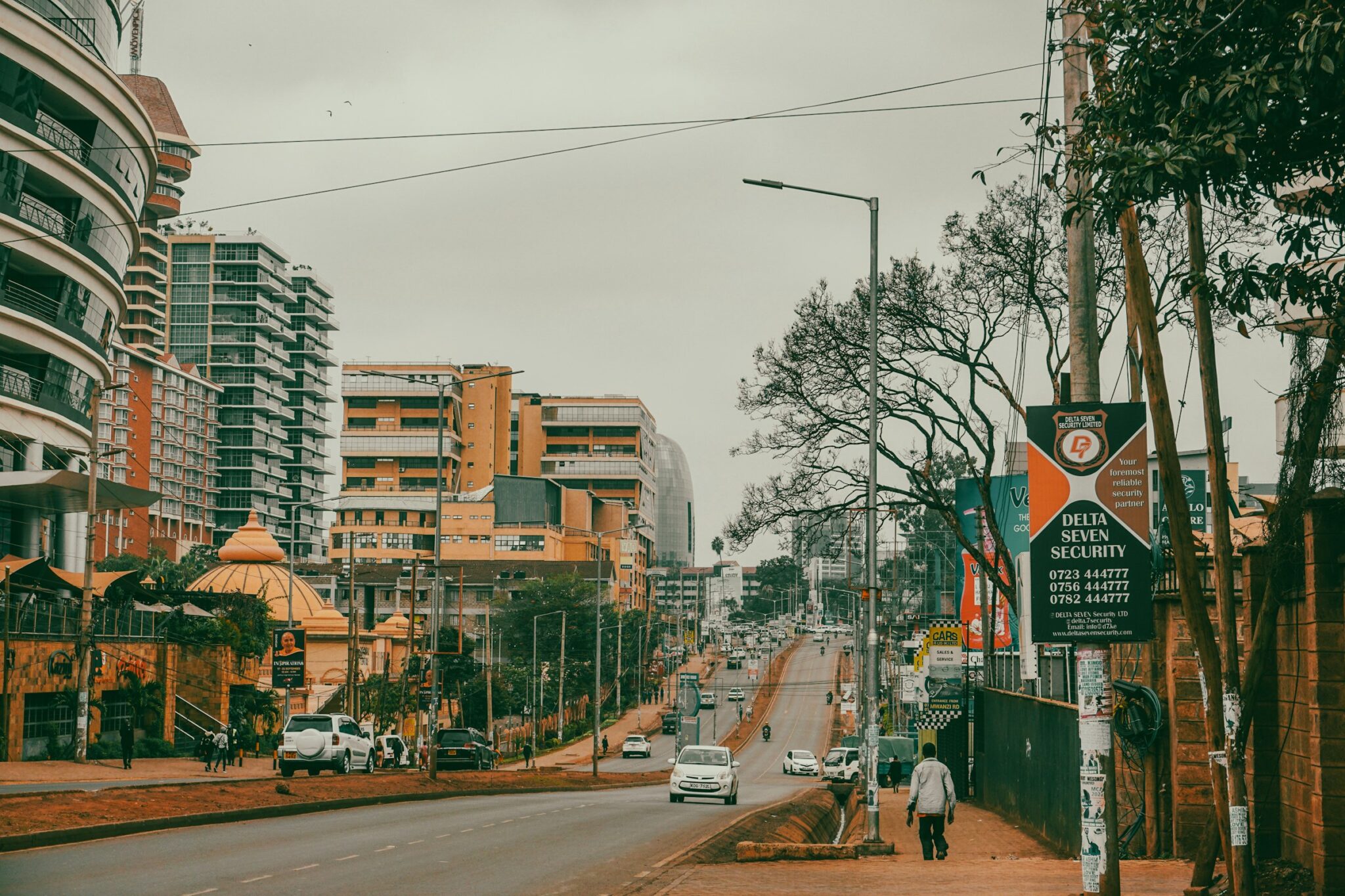
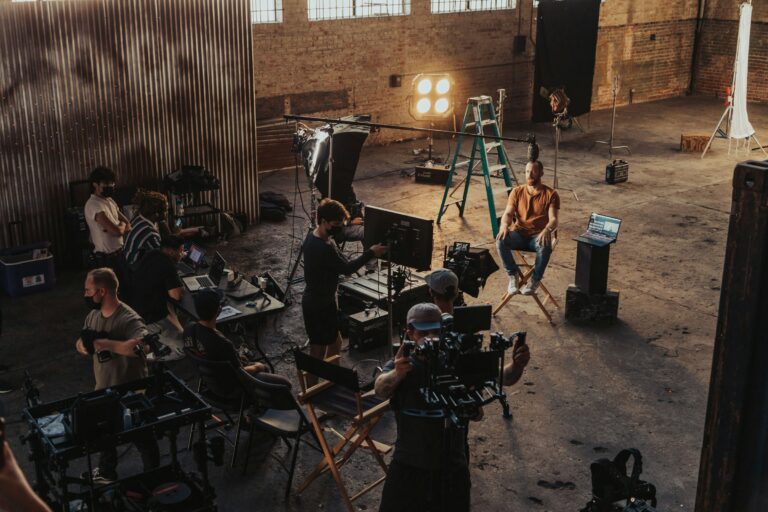
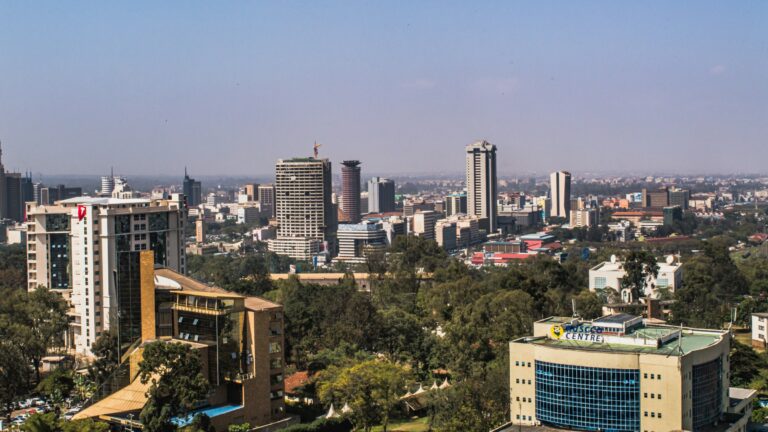
Nairobi is one of the easiest African capitals to film in and one of the easiest to get wrong. A crew can move from glass towers to a national park, a forest and a busy market within an hour, but each of those places sits under a different authority with its own rules. This guide sets out the permissions that usually apply to a shoot in Nairobi, the places that need extra care, and the practical habits that keep a production day on schedule.
It is written for communications teams, agencies and visiting crews planning interviews, documentary scenes or brand content in the city. Rules were checked against published sources in October 2026. Several of them are changing, so please confirm the details with the relevant authority before you lock dates.
The permissions most Nairobi shoots need
A filming licence from the Kenya Film Classification Board
Under the Films and Stage Plays Act, film production in Kenya requires a filming licence from the Kenya Film Classification Board (KFCB). The licence covers a specific project and the dates in its shooting schedule, so extra days have to be requested before it expires. Applications are made online through KFCB’s own licensing system or its eCitizen portal. Expect to provide company registration documents, a KRA PIN and a treatment, outline or storyboard together with a shooting schedule; short productions are typically processed within hours. Our guide to filming permits in Kenya covers the national picture in more detail.
Nairobi City County charges
The Nairobi City County Finance Act, 2026 introduced charges for filming in the city, and it drew wide public debate when it was published in August 2026. The county has said the charges are aimed at professional and commercial productions that make significant use of public spaces, such as shoots that need crews, equipment or temporary road closures, rather than ordinary content creators filming on their phones. Reports at the time differed on the exact amounts and on whether fees apply per session, per day or per location, and the county indicated that further guidance would follow. Because of that uncertainty we have not listed figures here: ask the county, or your production partner, for the current position before you budget.
Location owners and managers
Licences from government do not give you the right to film on private property. Hotels, malls, office buildings, campuses and estates set their own conditions, and many ask for a written request, proof of insurance or a location fee. Get permission in writing, including the times you will be on site and the areas you will use.
Special passes for foreign crew
Crew members who are not Kenyan citizens or residents generally need a special pass from the Department of Immigration Services in addition to the filming licence. Start this early, as it is often the step with the longest lead time.
Places that need extra care
Nairobi National Park
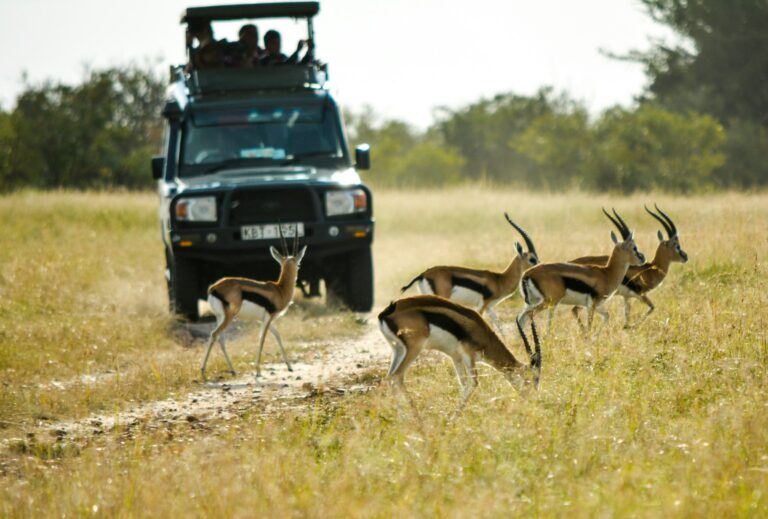
The park’s skyline views are one of the city’s signature images, but it is managed by the Kenya Wildlife Service (KWS), not the county. Commercial filming in national parks attracts KWS charges in addition to park entry, and drones need separate approval. Our article on filming in the Maasai Mara explains how conservation-area rules typically work.
Airspace and drones
Nairobi is home to both Jomo Kenyatta International Airport and Wilson Airport, so much of the city sits within controlled airspace. Commercial drone work must be carried out by an operator holding a Kenya Civil Aviation Authority (KCAA) Remote Aircraft Operator Certificate, with a licensed pilot and the right authorisation for the flight. Afrovo holds a KCAA ROC and all of our drone pilots are licensed; our drone videography page explains how we plan aerial work.
Government and security sites
Government buildings, security installations and some public infrastructure often restrict filming, and security staff may stop a shoot even when other permissions are in place. If a building or facility will appear prominently in frame, ask in advance and carry your licence and permission letters on the day.
Filming people in public
Kenya’s Data Protection Act applies when you film identifiable people. The Office of the Data Protection Commissioner’s 2025 guidance on publishing recorded media says that identifiable people, including those in group shots, should give consent before their images are published, and that a parent or guardian’s consent is needed before a child’s image is used. Where consent is not obtained, the guidance shows faces being blurred before publication.
In practice, that means using signed releases for anyone you interview or feature, framing street scenes so passers-by are not the focus, and allowing time in the edit to blur faces where needed. It is also a matter of dignity, not just compliance. Our ethical storytelling policy sets out how we approach consent with the people in our films.
Practical tips for a smoother shoot day
- Plan around traffic. Moving between locations can take far longer than the distance suggests, especially at peak hours. Group locations by area and keep company moves to a minimum.
- Use the early light. Nairobi lies close to the equator, so sunrise and sunset times change little through the year. Early mornings give soft light, quieter streets and fewer onlookers.
- Watch the rainy seasons. Kenya typically has long rains from around March to May and short rains from around October to December. Build weather cover into exterior schedules in those months.
- Carry paperwork. Keep printed and digital copies of your licence, county clearance and location permissions with the crew, not just the producer.
- Keep a low footprint. Smaller crews and lighter kit attract less attention, move faster and are easier to accommodate in busy spaces.
- Work with someone local. A Nairobi-based team knows which permissions apply where, how long they take and which locations are realistic on a given day. If you are weighing up options, our comparison of fixers and production companies may help.
For crews coming in from outside Kenya, our production services page explains how we support visiting teams with permits, crew and logistics.
Frequently asked questions
Do I need a permit to film in Nairobi?
For professional or commercial production, usually yes. Film production in Kenya requires a filming licence from the Kenya Film Classification Board, and Nairobi City County has introduced charges for commercial filming in the city. Private locations, national parks and drone flights each need their own permissions.
How long does a KFCB filming licence take?
Applications are made online. Short productions are typically processed within hours, while longer projects such as feature films or series can take up to about 48 hours, provided all documents are in order.
Can I fly a drone in Nairobi?
Only with the right approvals. Much of Nairobi is controlled airspace because of its two airports, and commercial drone work must be carried out by a KCAA-certified operator with a licensed pilot and authorisation for the specific flight. Filming over Nairobi National Park also needs KWS approval.
Do I need consent to film people on Nairobi’s streets?
If people are identifiable and the footage will be published, the Data Protection Commissioner’s guidance says they should consent. Use releases for anyone you feature, and blur faces of identifiable bystanders who have not consented.
Afrovo Studios is a Nairobi-based video production company working across East Africa, making documentaries, campaign films and corporate video for NGOs, conservation organisations and brands. Get in touch to talk about your next project.