How Thermal Cameras Are Changing Anti-Poaching in Kenya
How thermal cameras help Kenyan rangers stop poaching at night, from the Maasai Mara to Ol Pejeta and Solio: results, limits and filming advice.
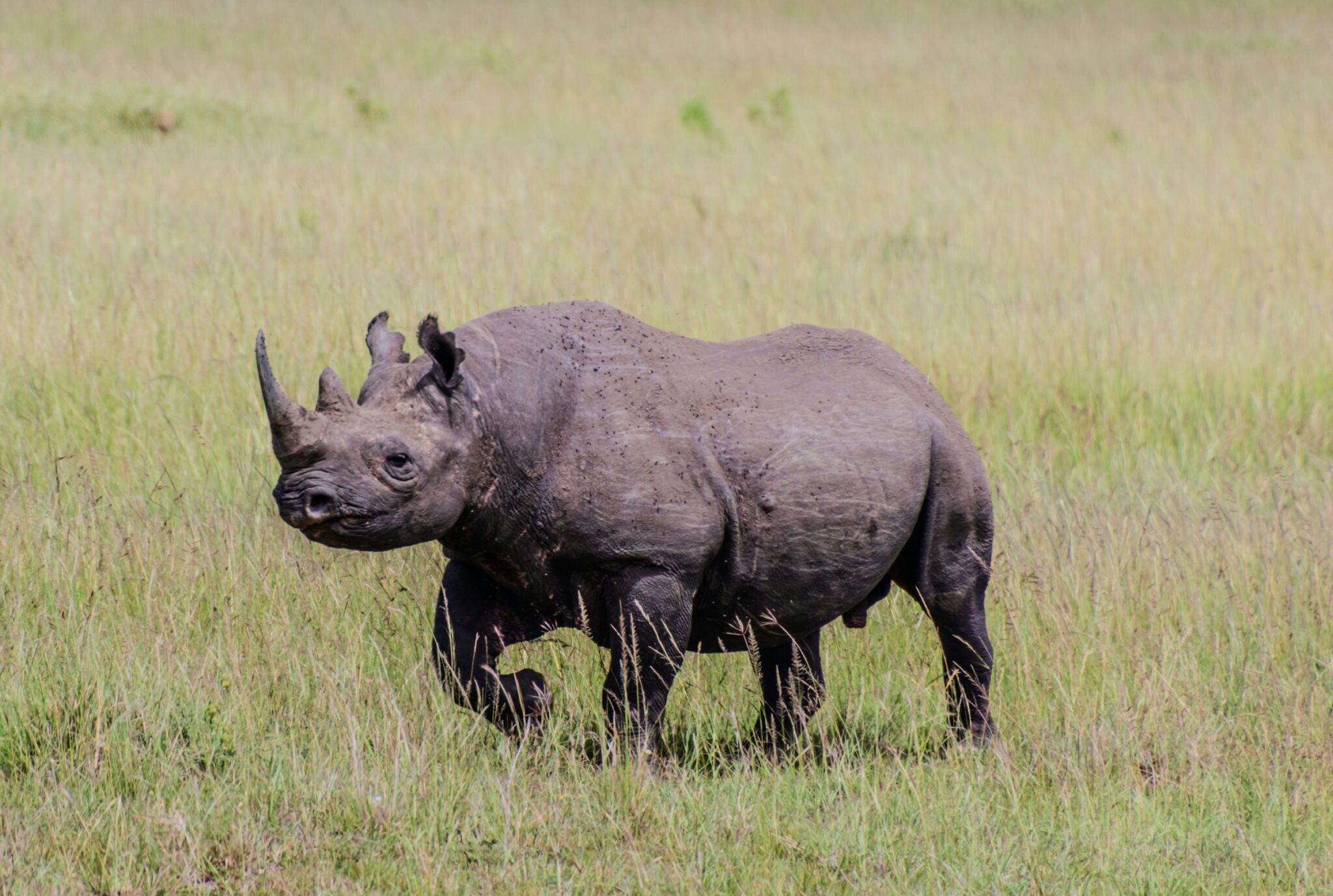
Most rhino poaching happens at night. For years, the rangers trying to stop it worked with torches, tracker dogs and ambushes, across areas far too large to cover on foot. Thermal cameras changed the arithmetic. A camera that sees heat rather than light can pick out a person moving through bush in complete darkness, long before that person reaches a rhino.
This article looks at how thermal imaging is used in Kenyan anti-poaching work, where it has been deployed, what the published results do and do not show, and what it means for anyone telling these stories on film. Every figure below comes from a dated public source, listed at the end.
How thermal imaging works on a ranger patrol
A thermal camera does not need moonlight or a spotlight. It reads the infrared energy that warm bodies give off, so a person or a large mammal stands out clearly against cooler ground and vegetation at night. That matters because a torch announces the ranger’s position, while a thermal camera lets a team watch without being seen.
When WWF began looking for anti-poaching technology after receiving a grant in 2015, testing found thermal imaging outperformed radar and conventional night vision, mainly because it can detect targets in dense vegetation (Teledyne FLIR, March 2025). In the field, the cameras are used in a few ways:
- Fixed perimeter systems, mounted along a sanctuary boundary and linked to software that flags people, vehicles and animals and sends alerts to an operator.
- Vehicle-mounted cameras, which pan across a wide area from a patrol truck. Reporting from the Maasai Mara put their detection range for people at about a kilometre (Mongabay, July 2018).
- Handheld units, which rangers carry on foot to follow movement at closer range, about 100 metres in the same report.
The shift from fixed towers to trucks is significant. A mobile camera can change position, so poachers cannot learn where the watch points are, and rangers can approach a situation knowing what is in front of them.
From the Mara to the rhino sanctuaries: a decade of deployment
Kenya was one of the first places this technology was tested against poaching. Under WWF’s Wildlife Crime Technology Project, FLIR thermal cameras were installed on a mobile ranger unit in the Mara Conservancy, which manages the Mara Triangle, in March 2016. WWF reported that more than two dozen poachers had been arrested there within nine months of installation (WWF via 3BL Media, November 2016). By 2018 the Mara Conservancy’s chief executive was quoted as saying well over 100 people had been caught specifically by using the cameras (Mongabay, July 2018).
The work then moved to rhino strongholds. According to WWF:
- Lake Nakuru National Park was an early pilot site for the cameras.
- Thermal cameras went up along Ol Pejeta Conservancy’s perimeter in 2019, with the installation completed during the COVID-19 pandemic through hundreds of hours of remote calls.
- Solio Game Reserve’s system was switched on in late 2023 and is the largest FLIR system installed in a protected area.
- The Kifaru Rising project, which began at Ol Pejeta and Solio in 2019, now covers 11 of Kenya’s highest-risk reserves, together home to more than 80% of the country’s rhinos. All 11 use FLIR equipment in some capacity.
- In late 2024, WWF and partners installed truck-mounted thermal cameras and trained park staff to use them.
Teledyne FLIR describes Kifaru Rising as a collaboration between FLIR, WWF and the Kenya Wildlife Service, and says the two organisations donated 13 truck-mounted thermal cameras for night patrols, with rangers able to cover about 7 square kilometres per camera with a small team (Teledyne FLIR, March 2025).
What the results show, and what they do not
The headline numbers are encouraging. WWF reports that Kenya recorded zero rhinos poached in 2020, that Ol Pejeta has had no rhino poaching since 2017, and that Solio has had none since its thermal system went live in late 2023 (WWF, May 2025). In August 2025, the Kenya Wildlife Service marked five years without a single rhino poaching incident (The Star, 14 August 2025).
It would be wrong to credit all of that to cameras. Ol Pejeta’s record predates its 2019 thermal installation, and KWS itself attributes the national result to several things at once: technology-led monitoring, well-trained anti-poaching units, stronger partnerships with other agencies, tough penalties under the Wildlife Conservation and Management Act and public education that has reduced demand. Thermal imaging is best understood as one tool that helps hold those gains, rather than the sole reason for them.
The wider stakes are high. Kenya has the third-largest rhino population in Africa and has more than doubled its black rhino numbers since the 1980s, with a national goal of 2,000 black rhinos by 2037 (WWF, May 2025). Speaking at World Rhino Day events in September 2026, the State Department for Wildlife still named poaching as the biggest obstacle to growing the population (The Star, 24 September 2026). The pressure has not gone away.
The limits rangers talk about
The published accounts are frank about what the cameras cannot do.
- Telling people apart. At night, a ranger and a poacher look much the same on a thermal screen. Teams have to track each other’s positions closely and read behaviour, such as someone hiding in a thicket (Mongabay, July 2018).
- Communications. A camera that spots an intruder is only useful if the sighting reaches a team that can respond. Radio coverage and teamwork remain essential.
- Community trust. WWF describes how, at Lake Nakuru, residents were initially wary of the system. After cameras captured a donkey theft and rangers worked with community leaders to try to identify the suspect, relations improved and people began sharing information that supports anti-poaching work (WWF, May 2025).
That last point is easy to overlook. Surveillance technology near communities can feel like a threat unless people see it working for them too.
What rangers say has changed
Before the cameras, night confrontations were described as chaotic and dangerous, and the patrol areas were simply too large for torches and dogs to stop most poaching (Teledyne FLIR, March 2025). FLIR’s programme manager has said rangers quickly see the value of thermal imaging and use it on every night patrol. WWF adds that truck-mounted cameras improve rangers’ visibility and safety on night patrols.
Watching from a distance also means fewer close encounters with animals. Rangers can check on wildlife without driving up to it, which disturbs the animals less and keeps people safer.
Filming anti-poaching technology responsibly
We have seen this work up close. Afrovo Studios produced The Path to Zero Poaching and its follow-up, Zero Poaching II, for Teledyne FLIR and WWF, filming at Ol Pejeta and other Kenyan conservancies as thermal cameras went onto patrol vehicles. A few lessons from that kind of shoot apply to any organisation planning a film about conservation security:
- Agree what cannot be shown. Camera positions, control-room screens, patrol routes and radio procedures can all help poachers. Settle with the security team, before filming, what stays off camera, and let them review sensitive footage.
- Protect rangers’ identities where needed. Some rangers are happy to be named and seen; others are not, for good reason. Ask each person, record their consent and respect a refusal.
- Plan for the dark. The real story happens at night. That means low-light camera work, coordination with patrol leaders and, where permitted, footage from the thermal system itself.
- Show people, not just kit. Audiences remember the ranger who explains what changed on night patrol far longer than they remember a camera specification.
- Include the community. As the Lake Nakuru example shows, the relationship with neighbouring communities is part of the story, and it should be told with their consent and on their terms.
The other side of the lens. A film shows what thermal cameras make possible. Someone still has to choose them, mount them on a truck or a tower and keep them working through heat, dust and long rains. In East Africa, that is the work of DUNARI, which distributes and supports FLIR thermal cameras and radar across the region. DUNARI has written up the technology behind the same story in its Path to Zero Poaching case study, a useful companion to our films if you are planning a deployment rather than a documentary. Its pages on thermal detection and radar are the place to start.
Our ethical storytelling policy sets out how we handle consent, safeguarding and sensitive locations, and our conservation and wildlife filming page explains how we work with conservancies, ranger teams and technology partners across East Africa.
Sources
- WWF, “How thermal cameras and AI are powering rhino conservation success in Kenya”, 14 May 2025.
- Teledyne FLIR, “The Path to Zero Poaching: FLIR and WWF donate truck-mounted thermal cameras to stop poaching in Kenya”, 31 March 2025.
- WWF via 3BL Media, “Anti-poaching technology in Africa leads to dozens of arrests”, 21 November 2016.
- Mongabay, “Better and better thermal cameras turn up the heat on poachers”, July 2018.
- The Star (Kenya), “Kenya marks five years without rhino poaching”, 14 August 2025.
- The Star (Kenya), “Poaching threatens Kenya’s rhino conservation efforts, official says”, 24 September 2026.
Frequently asked questions
How do thermal cameras help stop poaching?
They detect the heat given off by people and animals, so rangers can see intruders at night without lights, often through vegetation. Vehicle-mounted cameras in the Maasai Mara were reported to detect people about a kilometre away, giving rangers time to respond before poachers reach wildlife.
Where are thermal cameras used for anti-poaching in Kenya?
Published sources name the Mara Conservancy in the Maasai Mara (from 2016), Lake Nakuru National Park, Ol Pejeta Conservancy (from 2019) and Solio Game Reserve (from 2023). WWF says all 11 reserves in the Kifaru Rising project, which hold more than 80% of Kenya’s rhinos, use FLIR equipment in some capacity.
Have thermal cameras ended rhino poaching in Kenya?
Not on their own. Kenya recorded no rhino poaching in 2020, and in August 2025 the Kenya Wildlife Service marked five years without an incident. KWS credits technology alongside trained ranger units, partnerships, strong penalties and public education, and officials still describe poaching as the main threat to rhino recovery.
Can a film crew show thermal camera systems on screen?
Often, yes, but only with the security team’s agreement. Details such as camera locations, control-room screens and patrol routes may need to stay off camera, and rangers should give consent before they are identified. Agree these limits in writing before the shoot.
Afrovo Studios is a Nairobi-based video production company working across East Africa, making documentaries, campaign films and corporate video for NGOs, conservation organisations and brands. Get in touch to talk about your next project.