Conservation Films for COP Season: Making the Most of COP17 and COP31
How Kenyan conservation organisations can use film around CBD COP17 and COP31 in 2026: realistic goals, stories that fit the agenda and a practical timeline.
Every October and November the conservation calendar fills up. Delegations travel, side events are booked, reports are launched and social feeds fill with images of forests, coral and wildlife. For conservation organisations working in Kenya, this “COP season” is a rare moment when decision-makers, funders and journalists are all paying attention to the same issues at once. It is also a moment when a great deal of video is made in a hurry, and much of it is forgotten within a week.
This guide looks at what is actually happening in the 2026 season, what a film can realistically do for you around these meetings, and how to plan footage that keeps working long after the closing plenary. Conference dates below were checked against the official convention websites in October 2026.
What “COP season” means in 2026
“COP” simply means Conference of the Parties, the decision-making meeting of a UN convention. Several conventions hold one, and in 2026 three matter most to conservation teams in East Africa.
- Biodiversity: CBD COP17, Yerevan, Armenia, 19 to 30 October 2026. The Convention on Biological Diversity says this meeting will carry out the first global review of collective progress towards the Kunming-Montreal Global Biodiversity Framework, the 2022 agreement that includes the target to conserve at least 30 per cent of land and sea by 2030. Meetings under the Cartagena and Nagoya Protocols run alongside it.
- Climate: UNFCCC COP31, Antalya, Türkiye, 9 to 20 November 2026. Türkiye hosts the conference and works in partnership with Australia, which leads the formal negotiations under an agreed arrangement between the two countries.
- Land: UNCCD COP17, Ulaanbaatar, Mongolia. The desertification convention met in August 2026 and gave rangelands a central place on its agenda, fitting for a year the United Nations has named the International Year of Rangelands and Pastoralists.
Looking further ahead, Ethiopia was chosen in November 2025 to host the climate COP in 2027, bringing the conference back to Africa for the first time since Egypt hosted it in 2022, and this time to Kenya’s neighbour. For Kenyan organisations, that is worth planning for now.
What a film can and cannot do at a COP
It helps to be honest about the limits first. Negotiators are not persuaded by a three-minute video; they work from national positions, technical texts and long briefings. A film will rarely change the wording of a decision.
What a well-made film can do is quieter but valuable. It can give a side event a human centre, so that a panel on area-based conservation opens with rangers, herders or fishers rather than with slides. It can give a delegation or a partner something concrete to share when they talk about Kenya. It can help journalists, who are writing to deadline, understand a project in two minutes. And it can be the asset your communications team uses for the rest of the year, in donor reports, proposals and on your website.
The biodiversity review at COP17 is a good example. A global stocktake is, by its nature, about evidence of progress. Organisations that can show what implementation looks like on the ground, such as a community conservancy managing grazing, a monitoring programme, or a restoration site three years in, have a story that fits the moment well.
Stories that fit the 2026 agenda
You do not need to make a film “about COP”. The strongest pieces are about real places and people, and they connect to the agenda without naming it in every line. A few angles that sit naturally alongside this year’s meetings:
- Area-based conservation and who governs it. Target 3 of the global biodiversity framework speaks of protected areas that are “equitably governed” and that respect the rights of indigenous peoples and local communities. Kenya’s conservancies, and the communities who live alongside them, are an obvious and important place to show what that means in practice.
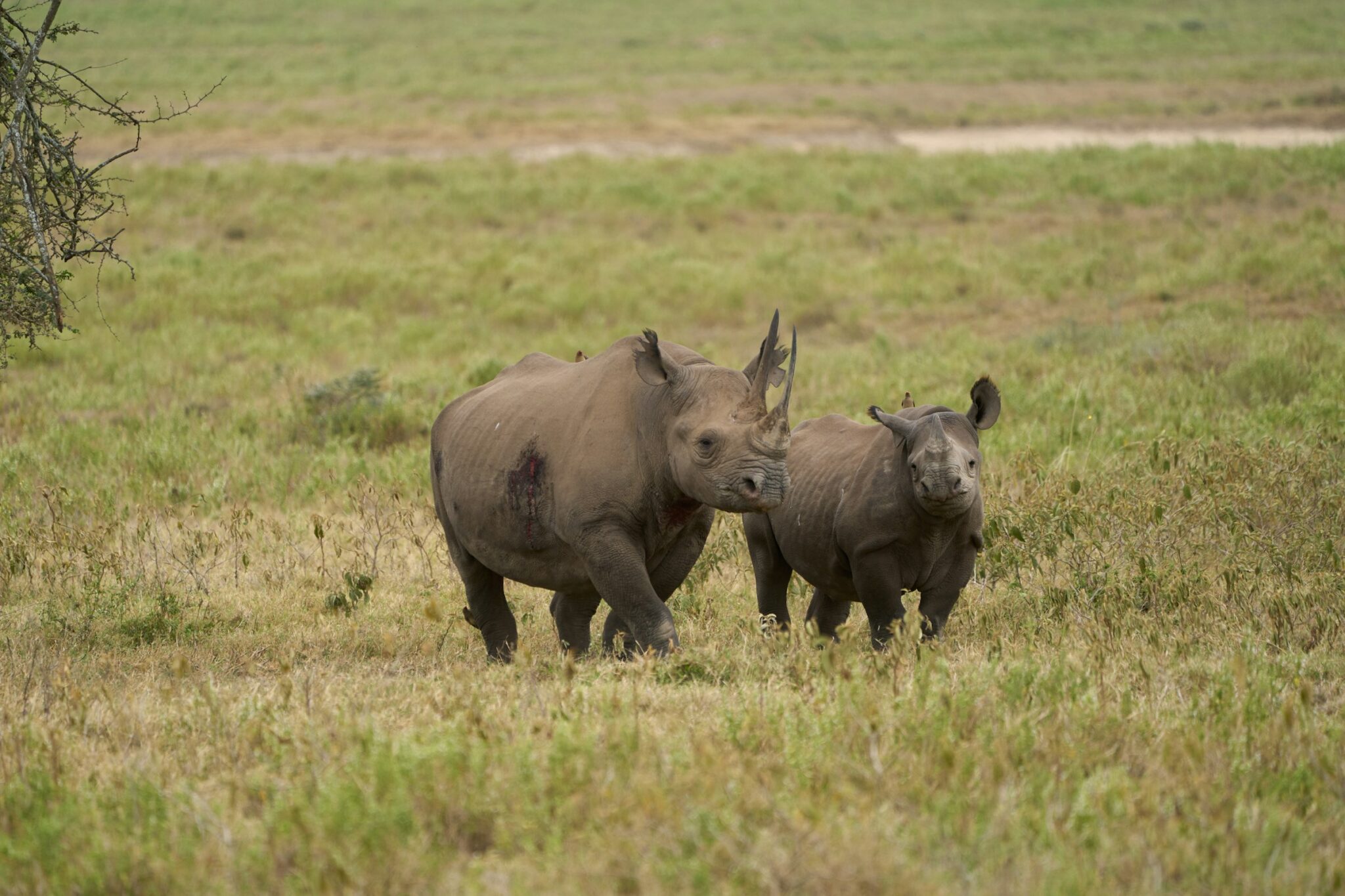
- Technology in the hands of rangers. Monitoring, detection and data are central to any review of progress. Our Path to Zero Poaching film with Teledyne FLIR, WWF and Ol Pejeta Conservancy follows rangers using thermal cameras to protect rhinos at night, and shows how a technical story can still be about people.
- Rangelands and pastoralism. With rangelands high on the land convention’s agenda and 2026 dedicated to them by the UN, stories of pastoralist communities, grazing plans and drought resilience have a natural audience this year.
- Climate and nature together. COP31 delegates will discuss adaptation and finance. Films that show how healthy ecosystems help communities cope with drought or floods link the two conversations without forcing them.
A realistic timeline
If you are reading this in early October, it is too late to commission a new documentary for COP17, and tight for COP31. That does not mean doing nothing. It means working with what you already have.
For this season: repurpose
Most organisations hold more footage than they realise: earlier films, field footage from monitoring trips, interviews recorded for reports. A short cut-down of one to three minutes, re-edited for a specific audience and subtitled clearly, can be turned around much faster than a new shoot. Check first that your consent and licensing cover the new use, especially if people in the footage agreed to appear in a particular film rather than in any future material.
For COP31: a short, focused shoot may still be possible
A single-location shoot with a clear brief can sometimes be delivered in a few weeks, but only if permissions are straightforward. Filming in national parks, in conservancies and with drones each brings its own approvals, and these take time. Our guide to conservation and wildlife filming in Kenya sets out what to plan for before a crew travels.
For 2027: start now
The most useful thing you can do this season may be to begin planning for next year. Filming across a wet and a dry season, following a project over several months, or building a relationship of trust with a community all take time, and they produce work that is far stronger than anything made in a rush before a deadline.
Practical points for COP-season content
- Make several lengths from one shoot. A main film for screenings, a 60 to 90 second version for social media and presentations, and a few short clips for journalists and partners.
- Subtitle everything. Conference halls are loud and most social video is watched without sound. If your contributors speak Kiswahili or another local language, subtitles let them speak in their own words; a voice-over can come later if a version for a different audience is needed.
- Prepare a short press pack. A still or two, a one-paragraph summary, credits and a contact make your film much easier for journalists to use.
- Keep claims checkable. If the film quotes a figure, such as hectares restored or incidents reduced, make sure you can source it. Delegates and journalists notice.
- Use real footage. At a meeting about real ecosystems, synthetic images undermine trust quickly. Audiences increasingly ask whether what they are seeing is real.
Ethics do not pause for a deadline
The pressure of a conference date is exactly when shortcuts are tempting: a quick interview without a proper consent conversation, a community filmed as backdrop rather than as people with a view, or old footage used in a way nobody agreed to. Target 22 of the biodiversity framework calls for the full participation of indigenous peoples and local communities in decisions that affect them. A film presented at the same meeting should reflect that in how it was made, not only in what it says.
In practice that means informed consent in a language people understand, giving contributors a real say in how they appear, and avoiding images of hardship used only for effect. Our ethical storytelling policy sets out how we work, and our guide to consent when filming in Kenya goes into the detail.
How we approach conservation films
Afrovo is a Nairobi-based production company working across East Africa, and conservation is a large part of what we do. We hold a KCAA Remote Operator Certificate and all our drone pilots are licensed, so aerial work can be planned as part of the story rather than as a separate problem. Whether you need a cut-down of existing material for this season or want to start planning a longer piece for 2027, we are happy to talk it through.
Frequently asked questions
When and where is COP31 in 2026?
COP31, the UN climate change conference, takes place in Antalya, Türkiye, from 9 to 20 November 2026. Türkiye hosts the conference in partnership with Australia, which leads the formal negotiations.
Is the biodiversity COP the same as the climate COP?
No. The biodiversity COP is the meeting of the Convention on Biological Diversity; COP17 takes place in Yerevan, Armenia, from 19 to 30 October 2026. The climate COP is the meeting of the UN Framework Convention on Climate Change. They are separate conventions with separate agendas, although many conservation organisations follow both.
Is it too late to make a film for COP season this year?
Usually too late for a new documentary, but not for a well-edited short made from footage you already hold, provided your consent and licensing allow the new use. A small, single-location shoot may still be possible for November if permissions are simple.
How long should a film for a side event be?
Short. Two to four minutes is usually enough to open a session without taking over the agenda. It is worth also preparing a version of around a minute for social media and presentations.
Afrovo Studios is a Nairobi-based video production company working across East Africa, making documentaries, campaign films and corporate video for NGOs, conservation organisations and brands. Get in touch to talk about your next project.