KCAA Drone Licensing Explained: RPL and ROC
What Kenya's 2025 drone regulations require: drone registration, the Remote Pilot Licence, the RPAS Operator Certificate and what visiting crews need.
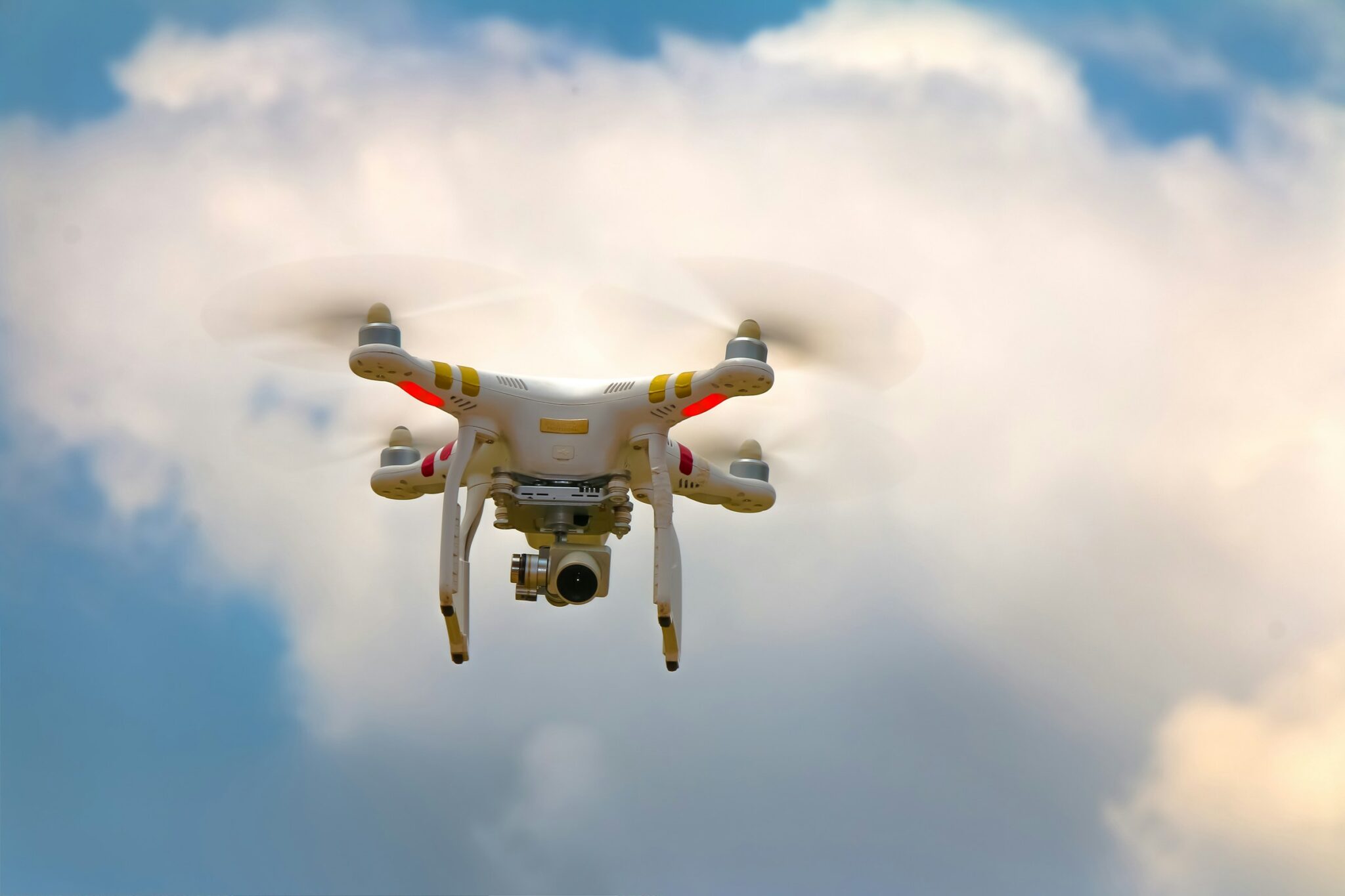
Anyone planning aerial footage in Kenya soon meets two acronyms: RPL and ROC. One is a licence for the person flying, the other a certificate for the organisation doing the flying for business. Mixing them up is the most common reason a drone shoot stalls before it starts.
The rules were rewritten this year. The Civil Aviation (Unmanned Aircraft Systems) Regulations, 2025 were published as Legal Notice 40 of 2026 in a Kenya Gazette supplement dated 6 March 2026, part of a wider set of revised aviation regulations the Kenya Civil Aviation Authority (KCAA) announced in the spring. Many guides online still describe the 2020 rules, so it is worth checking which version any advice relies on; our summary of what changed in Kenya’s drone regulations sets the two side by side. This article summarises the current regulations as of October 2026. It is a plain-language guide, not legal advice.
The three categories of drone operation
The regulations sort every operation by risk (regulation 6):
- Category A, the open category: low or minimal risk to the public, property and manned aviation.
- Category B, the specific category: medium risk.
- Category C, the certified category: high risk, with the fuller set of operational requirements in the second part of the regulations.
The category matters because it decides what licence the pilot needs and what KCAA will authorise. Under regulation 23, no one may fly a drone in Kenya without authorisation, and an operator may not fly in a category other than the one it is authorised for. That applies to foreign-registered drones too.
Before anyone flies: ownership, import, registration and security clearance
Several steps come before licensing:
- Eligibility to own. Kenyan citizens and residents aged 18 or over, bodies corporate doing business in Kenya (the regulations expressly include UN agencies and NGOs), national and county governments, and foreign bodies corporate that KCAA approves (regulation 7).
- Import permit. No drone may be imported or exported without a KCAA permit (regulation 8).
- Registration. The owner or operator must register the drone and display its identification (regulation 11).
- Security clearance. Anyone intending to operate a drone must obtain security clearance as KCAA prescribes, valid for 24 months (regulation 4).
The Remote Pilot Licence (RPL)
The RPL is the pilot’s personal licence. Under regulation 30, nobody may act as remote pilot in command, or as remote co-pilot, on a Category B or C operation without a remote pilot licence issued by KCAA. For Category A, KCAA sets the required skills and knowledge separately.
The new regulations leave the detailed licensing requirements to be “prescribed by the Authority”. Under the 2020 regulations, applicants had to be at least 18, able to read, write, speak and understand English, hold a valid Class 3 medical certificate and pass a knowledge test. Expect similar requirements, but confirm the current list with KCAA or an approved training organisation before you budget time for it. Training itself may only be given by an organisation holding a KCAA RPAS Training Organisation certificate (regulation 32).
The RPAS Operator Certificate (ROC)
The ROC is the organisation’s certificate. The 2025 regulations call it the RPAS Operator Certificate; under the 2020 rules it was the Remote Aircraft Operator Certificate, and you will still see the older name used. Under regulation 24, anyone who operates a drone “for commercial activities, reward or hire” must hold one. Filming for a client is commercial work, so a production company flying for an NGO, a brand or a broadcaster needs a ROC as well as licensed pilots.
To be certified, an operator has to show KCAA that it has an adequate organisation and staff, a method of identifying and mitigating flight risks, a training programme, and proper ground handling and maintenance. The regulations also require:
- an accountable executive, plus nominated heads of operations, maintenance, quality and safety, scaled to the size of the operation (KCAA may approve fewer or different posts);
- a safety management system (regulation 29);
- a principal place of business in Kenya and Kenyan registration, security clearance from the defence ministry, and an operator security programme acceptable to KCAA (regulation 26);
- an application at least 90 days before the intended operation (regulation 25).
A ROC is now valid for 24 months, double the 12 months under the 2020 rules. If it is allowed to lapse, the operator must start again with an initial application (regulation 27).
What it costs: KCAA’s published fees
The latest fee schedule we could find is the Civil Aviation (Regulatory Fees and Charges for Unmanned Aircraft Systems) Regulations, gazetted as Legal Notice 4 of 2021 and still published on KCAA’s website. It predates the 2025 regulations, so confirm current charges with KCAA before applying. The main items are:
- Remote Pilot Licence, issue: KSh 4,000 (US$31); renewal: KSh 2,000 (US$15)
- Student Remote Pilot Licence, issue: KSh 2,000 (US$15)
- RPL examination: KSh 4,000 (US$31)
- Operator certificate, initial issue: KSh 80,000 (US$616); renewal: KSh 50,000 (US$385)
- Drone registration: KSh 3,000 (US$23)
- Import permit: KSh 3,000 (US$23)
- Temporary permit: KSh 20,000 (US$154)
- Operation authorisation: KSh 2,000 (US$15) for Category A, KSh 2,500 (US$19) for Categories B and C
These are regulatory fees only. They do not include training, insurance, security clearance time or the separate location permissions many filming sites require.
US dollar amounts are approximate and update automatically, using a market rate of KSh 129.83 to US$1 (29 October 2026).Rules that apply on every flight
Licences are only the start. The regulations also set day-to-day limits:
- Height and distance. By default, no flying above 400 feet above ground level, and no closer than 30 metres to people, vessels, vehicles or structures not under the operator’s control, unless KCAA approves otherwise (regulations 38 and 47). The 2020 rules used a 50-metre distance for low-risk flights.
- Weather and light. Visual meteorological conditions only, and no night flying without express authorisation (regulations 38 and 39).
- Insurance. Third-party insurance must be in force, unless KCAA waives it for the category (regulation 59).
- Privacy. A drone camera may not be used to take an image of a person without their written consent, or to survey private property (regulation 60). Footage captured outside the approved area of operation must not be published (regulation 38).
Penalties are serious. Breaching a “B” provision, which includes flying without authorisation, without a ROC or in breach of the privacy rule, can bring a fine of up to KSh 2 million (US$15,400), up to three years in prison, or both (regulation 165 and the Schedule).
Visiting crews and foreign drones
The regulations allow KCAA to recognise a ROC issued by another state if it was issued to equivalent standards, and foreign operators remain subject to KCAA oversight (regulation 35). In practice, a visiting crew still faces import approval, registration, security clearance and flight authorisation, and the ROC application window alone is 90 days.
Aviation rules are also only one layer. National parks, county reserves and private conservancies set their own drone rules, and some do not allow drones at all. Our guide to filming permits in Kenya covers the wider permissions, and our Maasai Mara filming guide shows how location rules stack on top of national ones.
For many productions the simpler route is to work with a Kenyan operator that already holds the certificates. Afrovo Studios holds a KCAA ROC and all our drone pilots are KCAA-licensed, so visiting crews can have aerial footage flown by our team rather than importing their own drone. Our drone and aerial videography page explains how we plan flights around each location’s approvals, and our production services page covers support for international crews.
Frequently asked questions
What is the difference between an RPL and a ROC in Kenya?
The Remote Pilot Licence (RPL) is a personal licence for the individual flying the drone, required for Category B and C operations. The RPAS Operator Certificate (ROC) is held by the organisation and is required for any drone operation carried out for commercial activities, reward or hire.
Do I need a KCAA licence to fly a drone for a commercial video shoot?
Yes. Commercial filming needs an operator holding a KCAA RPAS Operator Certificate, a registered drone, flight authorisation for the right category, and a licensed pilot where the category requires one, plus any permissions the filming location sets.
How long is a KCAA ROC valid?
Under the Civil Aviation (Unmanned Aircraft Systems) Regulations, 2025, a ROC is valid for 24 months from issue or renewal unless KCAA specifies a shorter period. Applications must be made at least 90 days before the intended operation.
How much does a KCAA drone licence cost?
KCAA’s latest published fee schedule, from 2021, lists KSh 4,000 to issue a Remote Pilot Licence and KSh 80,000 for an operator certificate’s initial issue, with registration and import permits at KSh 3,000 each. Confirm current charges with KCAA before applying.
Afrovo Studios is a Nairobi-based video production company working across East Africa, making documentaries, campaign films and corporate video for NGOs, conservation organisations and brands. Get in touch to talk about your next project.