The International Year of Rangelands and Pastoralists: Stories to Tell
2026 is the UN International Year of Rangelands and Pastoralists. Why it matters in Kenya, the stories worth telling and how to film pastoral communities well.
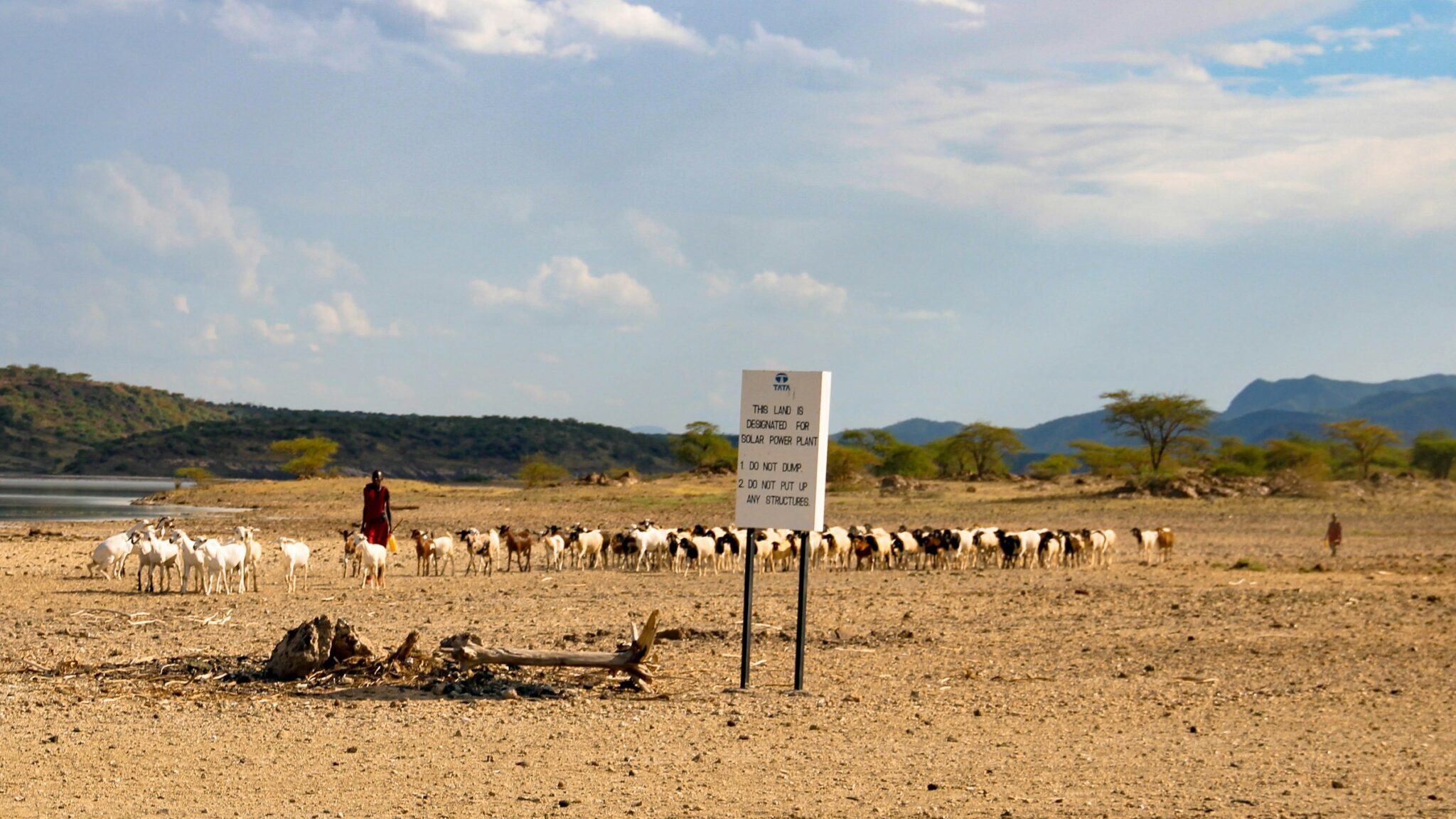
The United Nations has named 2026 the International Year of Rangelands and Pastoralists. For most audiences outside the drylands, that may sound like a niche observance. In Kenya it describes most of the country. Rangelands are where much of the nation’s livestock is raised, where much of its wildlife lives outside the national parks, and where some of the hardest questions about land, climate and rights are being worked out in real time.
For NGOs, conservation organisations, research institutes and donors, the year is a timely reason to tell those stories well. This article sets out what the year is, why it matters so much in Kenya, the stories most worth telling and how to film them with care. Every figure comes from a dated public source, listed at the end.
What the International Year of Rangelands and Pastoralists is
The UN General Assembly adopted resolution A/RES/76/253, declaring 2026 the International Year of Rangelands and Pastoralists, on 15 March 2022. It was adopted without a vote. According to the International Livestock Research Institute (ILRI), the proposal came from the Government of Mongolia, with 68 co-sponsoring countries.
The Food and Agriculture Organization (FAO) hosts the official IYRP 2026 site. It describes rangelands as covering about half the world’s land, from grasslands and savannas to shrublands, deserts and mountains. It says pastoralists are present in more than 75% of countries, manage at least a quarter of the world’s land and herd about a billion animals. The UN Convention to Combat Desertification (UNCCD) put the picture more starkly in its 2024 Global Land Outlook report on rangelands: up to 50% of the world’s rangelands are degraded, well above earlier estimates.
The purpose of the year is recognition. Rangelands are often treated as empty or unproductive land, and pastoralism as a way of life that belongs to the past. The year invites governments, researchers and civil society to challenge both assumptions.
Why the year matters so much in Kenya
The scale is the starting point. Kenyan government and UN sources consistently describe the arid and semi-arid lands (ASALs) as covering up to 89% of the country, across 29 counties. A 2019 Kenya News Agency report on an ASAL conference gave the government’s figure that about 70% of the national livestock herd is found there.
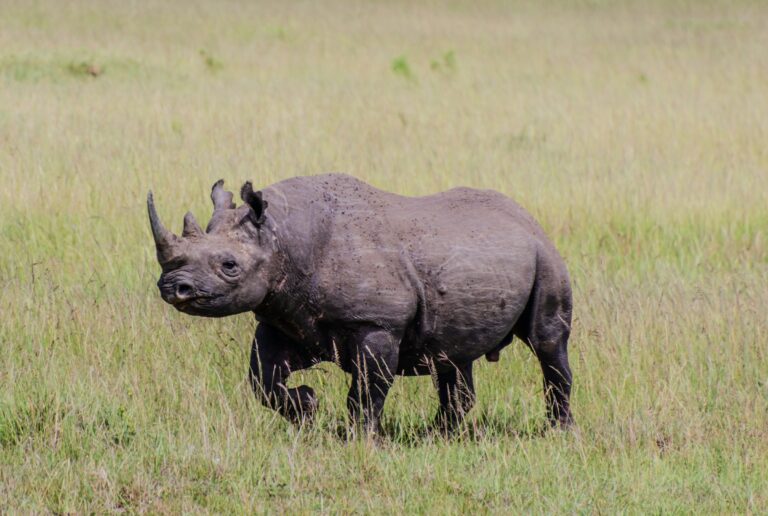
These landscapes also carry much of Kenya’s conservation effort. The Kenya Wildlife Conservancies Association reports 167 conservancies covering more than 6.35 million hectares, about 11% of the country’s land, with some 930,000 households benefiting. Many of these conservancies sit on community or group land where people and livestock share the landscape with wildlife.
Kenya has also put itself at the centre of the year. On 17 June 2026 it hosted the global observance of Desertification and Drought Day in Vipingo, Kilifi County, under the theme “Rangelands: Recognize. Respect. Restore.” For organisations working in these areas, that national attention is an opening. Audiences are more ready than usual to hear stories from the drylands, and the year gives communications teams a clear hook to pin them to.
Stories worth telling during the year
The risk with any international year is a wave of similar content: wide shots of cattle at sunset, a drought statistic and a call to action. The stories below tend to be more original, more useful to donors and fairer to the people in them.
Knowledge, not just hardship
Pastoral communities hold detailed knowledge about grazing, water, livestock health and weather. Herders decide when to move, where to graze and when to rest pasture, often through customary institutions. A film that shows that expertise, in the words of the people who hold it, does more for public understanding than another drought montage. It also positions herders as decision-makers rather than recipients of aid.
Drought and recovery
Drought is real and recurring, and it deserves coverage. But the more revealing story is often what happens before and after: early warning, destocking, fodder and water planning, insurance, and how households rebuild herds. Following one community across a season, rather than arriving at the peak of a crisis, gives a far truer picture and avoids the imagery our guide to fundraising video without poverty porn warns against.
People and wildlife sharing land
Community conservancies are one of Kenya’s most distinctive conservation models, and they are rangeland stories at heart. Grazing plans, ranger teams recruited from local communities, tourism revenue, human-wildlife conflict and the trade-offs between livestock and wildlife all make strong, honest material. Our conservation and wildlife filming work, including the Path to Zero Poaching films made at Ol Pejeta with Teledyne FLIR and WWF, has shown how much audiences respond when the people protecting a landscape are on screen and speaking for themselves.
Land, rights and governance
Who decides how rangeland is used is a central question. Kenya’s Community Land Act of 2016 created a process for communities to register and govern their land, and its implementation shapes everything from grazing to investment. These stories need careful research and balanced voices, but they are exactly what policymakers and serious donors want to understand.
New pressures on old landscapes
Rangelands are increasingly sought for renewable energy, infrastructure, carbon projects, settlement and fencing. Each can bring benefits, and each can cut across grazing routes and water access. Films that show how communities are consulted, and what they gain or lose, are timely and much needed. They also demand rigour, because claims about consent and benefit sharing should be documented rather than asserted.
Women, young people and changing livelihoods
Pastoral economies are changing. Women’s roles in livestock trade, milk marketing and savings groups, and young people’s choices between herding, education and town, are stories that rarely reach international audiences. They also show pastoralism as a living, adapting system, which is the central message of the year.
Filming in pastoral communities: doing it well
Good rangeland films are earned through time and trust. A few principles make the difference.
- Plan around the people, not the schedule. Herds move with grazing and water, and so do people. Work with local partners who know where households will be, and build in flexibility.
- Consent in the right language. Explain the purpose of the film, where it will be shown and how long it will be used, in a language people are comfortable with, and record consent properly. Our guide to ethical storytelling and consent in Kenya explains what Kenya’s data protection rules expect.
- Respect community authority. Elders, conservancy boards and county offices may all need to know about a shoot. Asking first is courteous, and it often leads to better access and better stories.
- Drones need two kinds of permission. Aerial shots show the scale of rangelands beautifully, but flights must follow Kenya Civil Aviation Authority rules and have the landowner’s or community’s agreement. Afrovo holds a KCAA Remote Operator Certificate, and all our drone pilots are licensed.
- Show people as experts. Interview herders about what they know and decide, not only about what they have lost.
- Take the film back. Screening a cut for the community before release builds trust, catches errors and often adds a final, valuable layer to the story.
These commitments are set out in full in our ethical storytelling policy, which covers written consent, safeguarding and our position on AI-generated depictions of people.
Making the most of the remaining months
The international year runs to the end of 2026, but the stories do not expire with it. If you have not yet planned content, there is still a useful window. Climate and biodiversity meetings later this year will keep land and drought in the news; our note on conservation films for COP season covers how to time releases around them. A short, well-researched film made now can serve donor reporting, advocacy and fundraising well into 2027.
The strongest approach is usually modest in scale: one community, one clear question, filmed across enough time to show change. That is more credible than a sweeping overview, and much more likely to be watched to the end.
Sources
- UN Digital Library, A/RES/76/253, International Year of Rangelands and Pastoralists, 2026 (adopted 15 March 2022).
- ILRI, “Celebrating the world’s enduring, resilient, nature-friendly and productive rangelands and livestock”, 19 March 2022.
- FAO, International Year of Rangelands and Pastoralists 2026 website, accessed 13 October 2026.
- UNCCD, Global Land Outlook Thematic Report on Rangelands and Pastoralists, May 2024, as reported by Down To Earth (21 May 2024) and Rural 21 (3 June 2024).
- UNDP Kenya, “Unlocking the potential of arid and semi-arid lands of Kenya”, 10 December 2018; KIPPRA, “Accelerating economic growth and development for ASALs in Kenya”, 30 November 2022.
- Kenya News Agency, “ASALs regions urged to collaborate to ensure economic growth”, September 2019.
- Kenya Wildlife Conservancies Association, “Status of wildlife conservancies in Kenya”, page updated 17 October 2025.
- Kenya Clearing-House Mechanism (CBD), “Kenya hosts global Desertification and Drought Day 2026”, 26 June 2026; UNCCD press releases on Desertification and Drought Day 2026 in Kenya.
Frequently asked questions
What is the International Year of Rangelands and Pastoralists?
It is a UN observance for 2026, declared by the General Assembly in resolution A/RES/76/253 in March 2022. It aims to raise awareness of rangelands, which cover about half the world’s land, and of the pastoralists who manage them, and to encourage investment and better policy.
How much of Kenya is rangeland?
Kenyan government and UN sources describe the arid and semi-arid lands as covering up to 89% of the country, across 29 counties. These areas hold most of Kenya’s livestock and much of its wildlife outside national parks.
What makes a good film about pastoralists?
Films work best when pastoralists speak for themselves about their knowledge and decisions, when the story is followed over time rather than at a single moment of crisis, and when consent, community permission and a feedback screening are built into the plan.
Can we use drones to film rangelands in Kenya?
Yes, but flights must comply with Kenya Civil Aviation Authority rules and should have the landowner’s or community’s agreement. Afrovo holds a KCAA Remote Operator Certificate, and all its drone pilots are licensed.
Afrovo Studios is a Nairobi-based video production company working across East Africa, making documentaries, campaign films and corporate video for NGOs, conservation organisations and brands. Get in touch to talk about your next project.