Ethical Storytelling in Kenya: A Field Guide to Consent, Dignity and Safeguarding
How to film communities ethically in Kenya: informed consent, children, dignity and data protection rules for NGO photography and video in 2026.
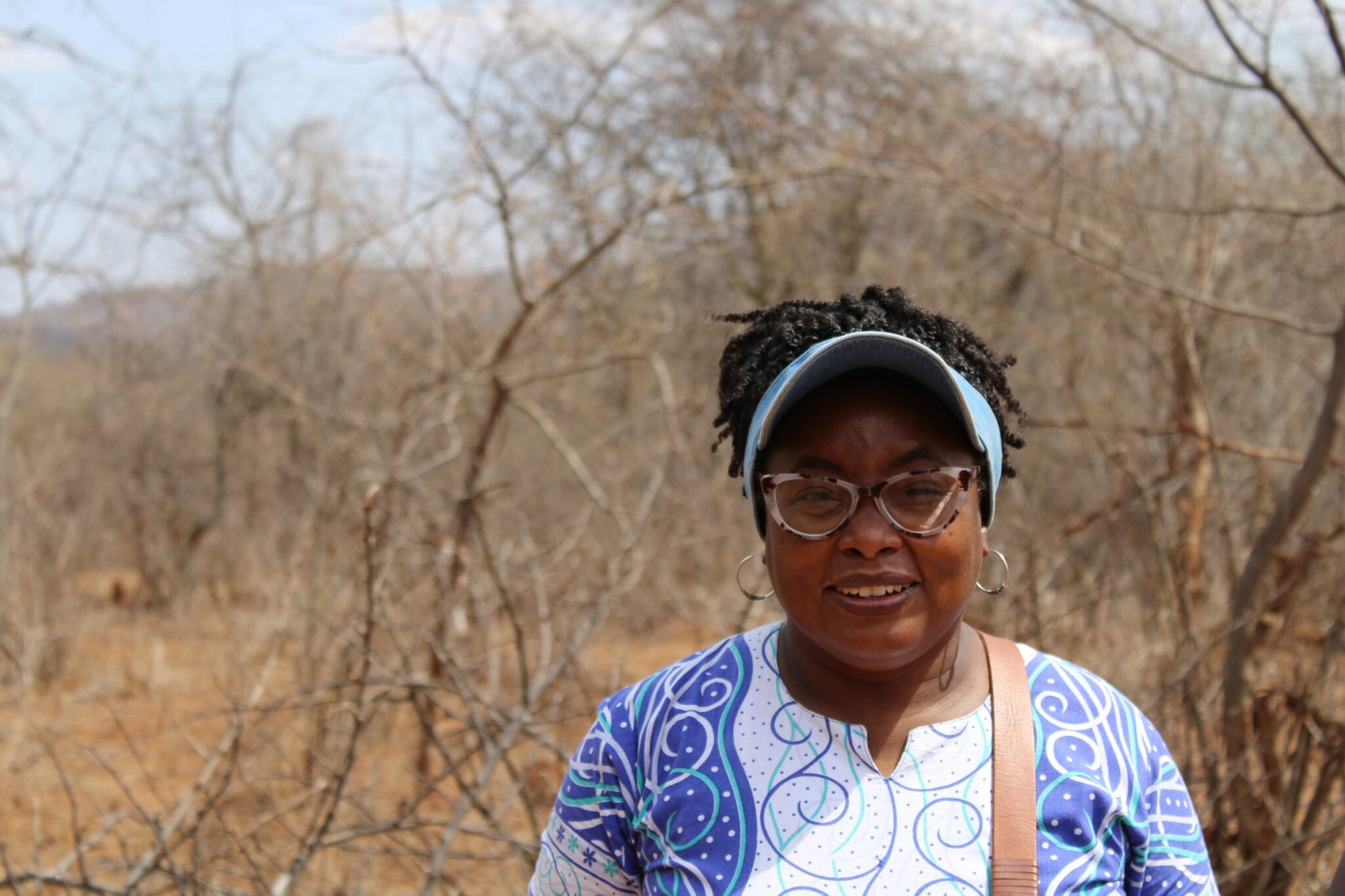
Ethical storytelling is not a style. It is a set of decisions you make before, during and after filming about how you treat the people whose lives you are showing. In Kenya it is also, increasingly, a legal matter. This guide pulls together what we follow on our own shoots.
Why it matters more now
- Kenya’s Office of the Data Protection Commissioner issued guidance on publishing recorded media and on children’s data in 2025, and has issued fines.
- The use of AI-generated images of poverty by aid organisations drew wide criticism in 2025, including in The Lancet Global Health.
- Sector guidance such as Bond’s “Putting the people in the pictures first” (updated November 2024) sets clear expectations for NGOs and their suppliers.
Before the shoot
- Agree the purpose. Know exactly where the film will be used: website, social media, donor meetings, advertising. Consent is only valid for the uses people agreed to.
- Prepare participants. Your field team, who know the community, should explain the project before the crew arrives. People need time to decide, and to say no.
- Use a clear consent form in the participant’s language. Read it aloud where literacy is a barrier, and record verbal consent on camera as well.
- Plan for children. Parental or guardian consent, the child’s own agreement, and your safeguarding lead involved. Decide in advance whether faces and names will be shown.
- Identify risks. Could appearing in the film expose someone to stigma, retaliation or danger? If so, protect their identity or leave them out.
On the day
- Let people tell their own story in their own words. Avoid directing emotion.
- Film people as active participants in change, not only as recipients of help.
- Check consent again before sensitive moments. People can change their minds.
- Do not film in homes, clinics or schools without the permission of the person responsible.
After the shoot
- Store consent records with the footage, and note what each person agreed to.
- Show the film back to participants where possible, ideally in their language.
- Set a retention period. The ODPC guidance expects retention schedules. Fairpicture, for example, limits image use to five years.
- Get fresh consent before reusing footage for a new purpose.
Where AI fits
Our position is simple: we use AI for transcription, rough subtitles and similar behind-the-scenes tasks, and we do not use it to create or alter images of the people and communities in our films. ACT Alliance and Fairpicture have made the same recommendation to NGOs.
See also our own consent, safeguarding and AI policy, NGO video production and why real footage beats AI imagery.
Afrovo Studios makes films for NGOs, conservation groups and purpose-led organisations across East Africa. If you are planning a project, get in touch.