Sustainability Report Launch Films: Planning Video Around Your First IFRS S1 and S2 Report
How Kenyan companies can plan a sustainability report launch film around IFRS S1 and S2 disclosures: timelines, formats and what to avoid.
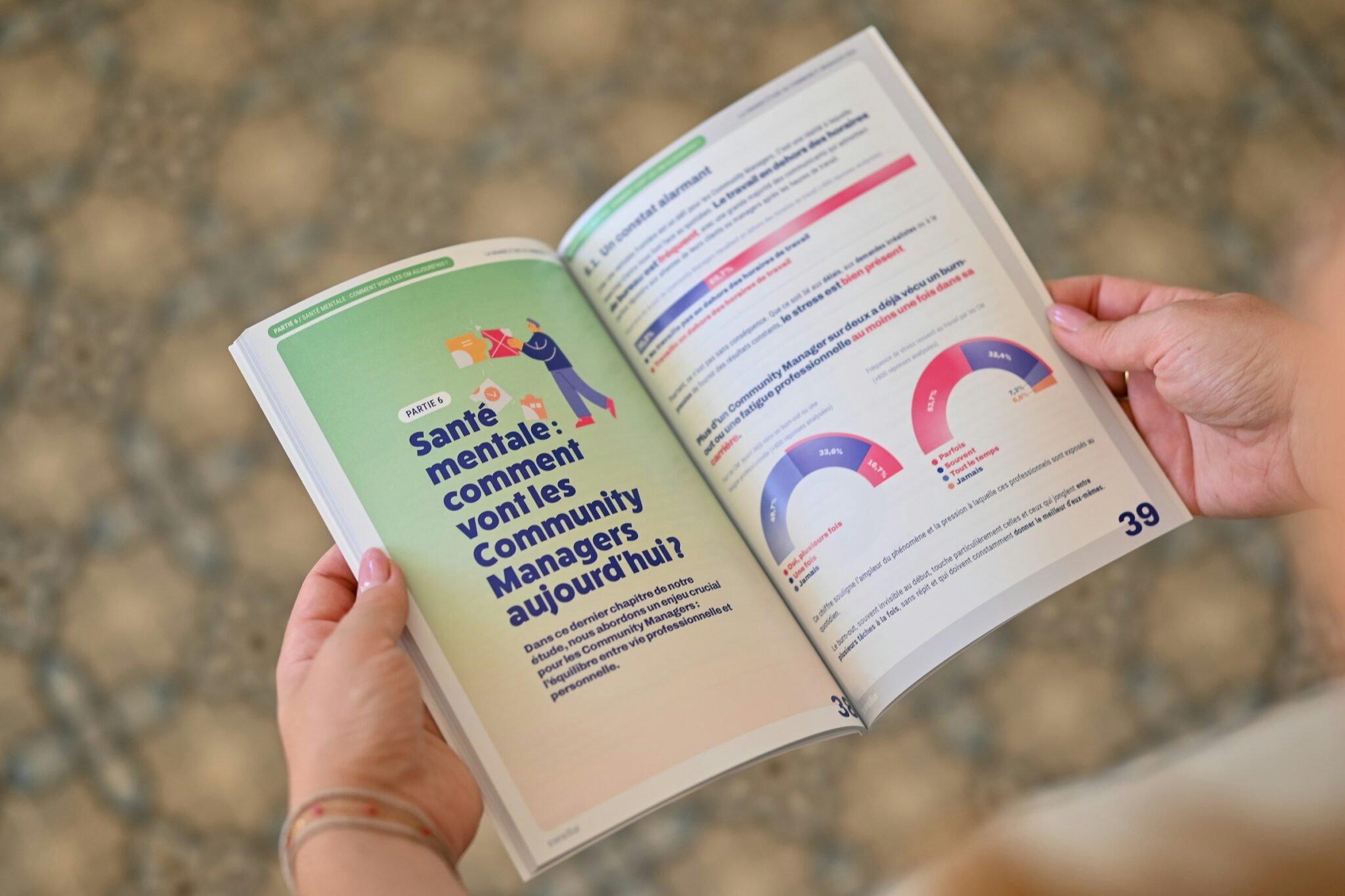
From 2027, sustainability reporting in Kenya stops being a voluntary extra for the country’s largest organisations and becomes part of their annual financial reporting. Many of those organisations will want to launch their first report with a short film. This guide explains how to plan one that people actually watch, and that says nothing your report cannot stand behind.
The regulatory points below were checked on 20 October 2026 against ICPAK’s published guidance and recent Kenyan reporting. Timelines can move, so confirm the detail with your auditors and ICPAK before you commit dates.
Why 2027 changes the conversation
The Institute of Certified Public Accountants of Kenya (ICPAK) has adopted the International Sustainability Standards Board’s two standards: IFRS S1, on general sustainability-related disclosures, and IFRS S2, on climate. Voluntary adoption began in January 2024. Under ICPAK’s roadmap, reporting becomes mandatory for public interest entities for accounting periods starting on or after 1 January 2027, with large non-public-interest entities following in 2028 and smaller businesses in 2029.
Public interest entities include companies listed on the Nairobi Securities Exchange, banks and other institutions regulated by the Central Bank of Kenya, insurers, pension schemes, fund managers regulated by the Capital Markets Authority, deposit-taking Saccos and large state corporations. ICPAK also asked these entities to complete a sustainability readiness assessment, and extended the submission deadline to 31 July 2026.
For an organisation with a December year end, that means the first mandatory report will cover the 2027 financial year and appear in 2028, alongside the audited accounts. Several listed companies already publish sustainability or ESG reports, often guided by the Nairobi Securities Exchange’s ESG Disclosures Guidance Manual of November 2021. What changes is the weight these reports carry. They are now read as part of financial reporting, by investors and lenders, and they will be subject to assurance. Anything said in a film that sits next to the report needs to be just as defensible.
What a launch film is for
A sustainability report is written for people who will read it closely: analysts, lenders, regulators, a board audit committee. A launch film is for everyone else. It is how staff, customers, partners, communities and the press hear what the report says, in two or three minutes rather than a hundred pages.
A good launch film does three things:
- It shows where the numbers come from. A factory floor, a branch, a farm, a fleet depot, a supplier’s site. The real places behind emissions figures and social indicators.
- It explains one or two things clearly. Not every metric, just the material issues the company has chosen to lead on, and what it is doing about them.
- It is honest about what is unfinished. First reports under a new standard will have gaps, especially around value-chain (Scope 3) emissions. A film that acknowledges this is far more credible than one that implies everything is solved.
What it should not be is a brand advert with a sustainability voice-over. Audiences are increasingly alert to overclaiming, and a film that does not match the report invites exactly the scrutiny the report was meant to answer.
Keep the film and the report saying the same thing
This is the single most important rule. Every claim in the script, whether spoken, on screen or in a caption, should trace back to a specific disclosure in the report. In practice that means:
- Script from the final draft, not the brainstorm. Start writing once the material topics and headline figures are agreed, and lock the script only after the report’s numbers are signed off.
- Use the report’s own wording for targets and metrics. If the report says “a 12% reduction in Scope 1 and 2 emissions against a 2023 baseline”, the film should not round that to “cutting emissions”.
- Get sign-off from the people who own the data. The sustainability lead and the finance team should approve the script, not only communications. Where the report is assured, ask whether your assurance provider has a view on accompanying materials.
- Avoid absolute words. “Green”, “net zero”, “sustainable” and “zero impact” need precise definitions in the report if they appear in the film at all.
The figure in point 2 is only an illustration; your report’s figures are the ones that count.
A simple structure that works
Most effective report films follow a short, clear arc:
- Open on a real place and a real person, not a logo. Fifteen seconds of a site manager, an engineer or a supplier at work does more than any title card.
- State why it matters to the business: the risk or opportunity the report identifies.
- Show what the company did in the reporting year, with one or two figures on screen.
- Say what comes next, including what is not yet measured well.
- Point to the full report. End with where people can read it.
A chief executive or chief financial officer can appear, but briefly. The most persuasive voices are usually the people closest to the work.
One shoot, several films
Planning a single shoot around the report lets you produce a family of edits rather than one film:
- a two-to-three-minute main launch film for the report web page and the launch event;
- a shorter cut for the annual general meeting or investor briefing;
- three or four 30-to-60-second field stories, each on one material topic;
- vertical versions for LinkedIn, where many investors and partners already follow listed companies;
- an internal version for staff, which can be more candid about the work ahead;
- Kiswahili subtitles or voice-over, so the message reaches staff and communities as well as investors.
We cover the wider range of formats in our guide to ESG reporting and film in Kenya, and our piece on company profile videos shows how the same footage can serve your brand for the rest of the year.
Timing: plan the film with the report, not after it
The most common mistake is commissioning the film once the report is finished, a few weeks before launch. By then, the moments worth filming have passed and the schedule leaves no room for proper sign-off. A better sequence for a report published in the second quarter:
- During the reporting year: film the operational work as it happens, such as an energy upgrade, a supplier training session or a community programme. This footage cannot be recreated convincingly later.
- When material topics are agreed: draft the film’s outline and decide which stories carry it.
- When figures are near final: record interviews and write the on-screen text.
- After sign-off: finish the edit, add graphics with the approved numbers, and produce the shorter cuts.
For a first mandatory report covering 2027, that means the filming conversation belongs in early 2027, not in 2028.
Filming employees, suppliers and communities
Sustainability stories often involve people who are not employees: smallholder suppliers, neighbouring communities, contractors. They deserve the same care as any documentary contributor. Everyone who appears should understand where the film will be shown and agree in writing, and nobody should be presented as a beneficiary of a programme they had no real say in. Our ethical storytelling policy sets out how we handle consent, safeguarding and the use of real footage. We do not use AI-generated people or places to stand in for real ones, which matters all the more when a film sits beside an assured report.
Working with a production partner
A launch film is easier to get right when the production team understands that it is part of a disclosure, not a campaign. Look for a partner who will work from your report’s language, build in review time for your sustainability and finance teams, and can travel to the sites behind your figures across Kenya and the wider region. Our corporate video production page explains how we approach this kind of work.
Frequently asked questions
When does IFRS S1 and S2 reporting become mandatory in Kenya?
Under ICPAK’s roadmap, public interest entities, including NSE-listed companies, banks, insurers and pension schemes, must report for accounting periods starting on or after 1 January 2027. Large non-public-interest entities follow from 2028 and smaller businesses from 2029. Check the latest ICPAK guidance for your organisation’s category.
Do the IFRS sustainability standards require a video?
No. The standards cover what must be disclosed in the report. A film is optional, but it is one of the most effective ways to help staff, customers and partners understand what the report says.
How long should a sustainability report launch film be?
Two to three minutes is a good length for the main film, with shorter cuts of 30 to 60 seconds for social media and a separate version for an AGM or investor briefing.
How do we avoid greenwashing in a sustainability video?
Make sure every claim in the film matches a disclosure in the report, use the report’s own wording for targets and figures, have the sustainability and finance teams approve the script, and be open about what is still in progress.
Afrovo Studios is a Nairobi-based video production company working across East Africa, making documentaries, campaign films and corporate video for NGOs, conservation organisations and brands. Get in touch to talk about your next project.