Filming in Kenya in 2026: KFCB Licences, Park Fees, Drones and Consent
A practical guide to filming permits in Kenya in 2026: KFCB filming licence fees, KWS park filming fees, drone clearance, foreign crews and consent rules.
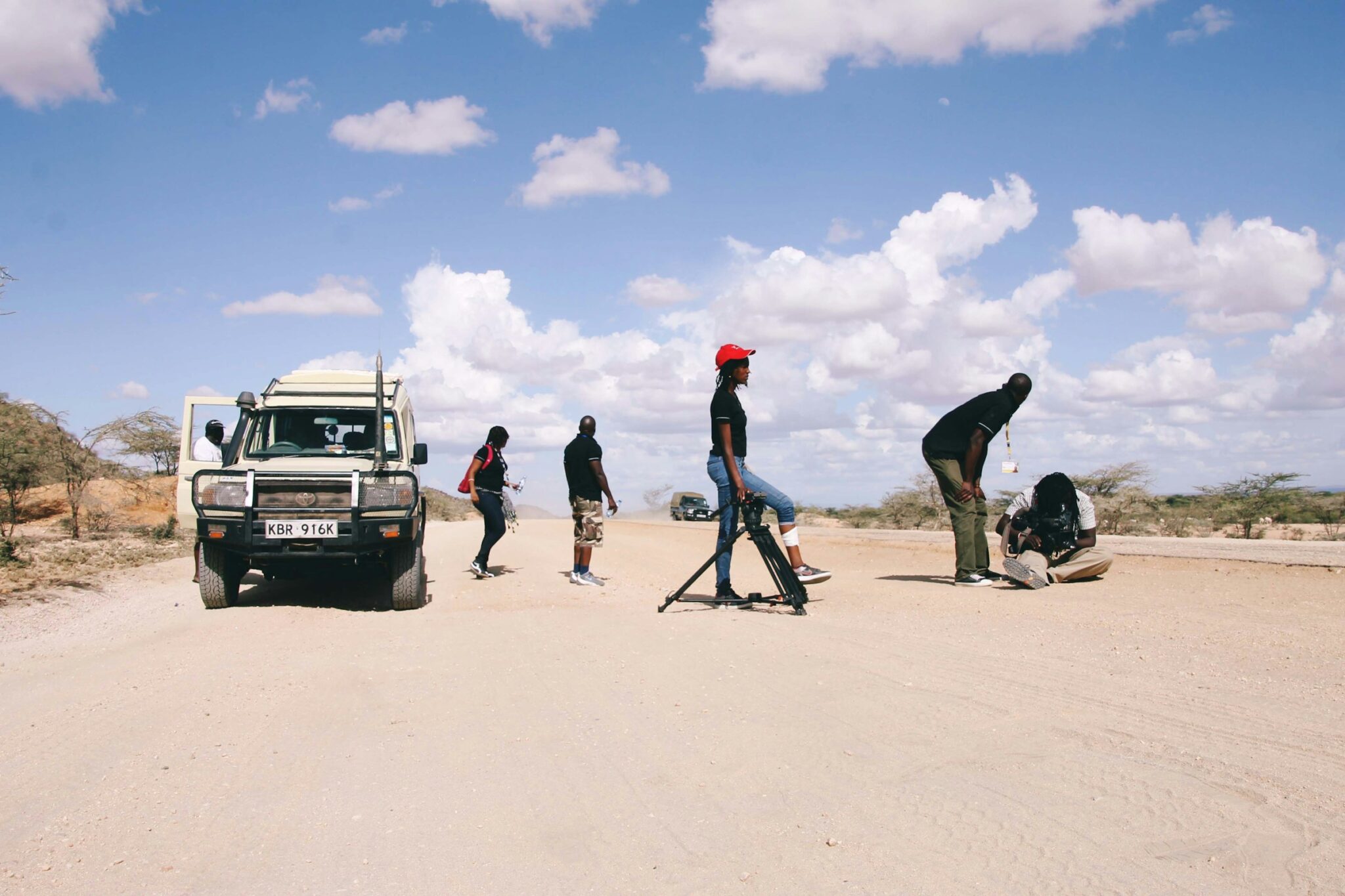
If you are planning to film in Kenya, whether you are a local NGO, a visiting documentary team or a company making a profile film, you will need at least one permit. This guide sets out what applies, what it costs and how long it takes, as far as we could confirm on 29 September 2026.
Fees and rules change. We link to the source for each figure and flag anything we could not confirm. Always check with the issuing body before you budget.
US dollar amounts are approximate and update automatically, using a market rate of KSh 129.73 to US$1 (15 October 2026).
(28 September 2026).
1. The KFCB filming licence
Under the Films and Stage Plays Act, films made in Kenya need a filming licence from the Kenya Film Classification Board (KFCB). This applies to Kenyan and foreign filmmakers. Applications are made through eCitizen with your company registration, KRA PIN, a synopsis or treatment and a shooting schedule.
| Category | Licence fee | Daily filming fee |
|---|---|---|
| Documentary, short film, advert, corporate or music video | KSh 5,000 (about US$39) | KSh 1,000 (about US$8) per day |
| Feature film, or TV or web series (per season) | KSh 15,000 (about US$116) | KSh 1,000 (about US$8) per day |
| Film agent registration (annual) | KSh 12,000 (about US$93) | – |
Sources: KFCB’s filming requirements document (undated), Kenyans.co.ke, 15 January 2024 and AO Wanga Advocates, 20 January 2025. All three agree, but we did not find a 2026 fee schedule from KFCB itself.
Foreign crews must be facilitated by a locally registered film agent, according to KFCB’s filming requirements.
Two changes to watch. In May 2025 the High Court ruled in Kinyanjui v KFCB that KFCB’s licensing provisions do not apply to social-media content; commissioned productions still need a licence. And the Films and Stage Plays (Amendment) Bill 2026, reported by Kenya Times (20 September 2026), proposes abolishing KFCB and moving licensing to the ICT ministry. Until it becomes law, KFCB remains the licensing body.
2. Filming in national parks (KWS)
New Kenya Wildlife Service fees took effect on 1 October 2025 under Legal Notice 160 of 2025. Filming fees are charged on top of park entry fees.
| Item | Citizens and residents | Non-residents |
|---|---|---|
| Filming, crew of 1 to 5 | KSh 16,000 (about US$123) per week | US$200 per week |
| Filming, crew of 11 or more | KSh 40,000 (about US$308) per week | US$500 per week |
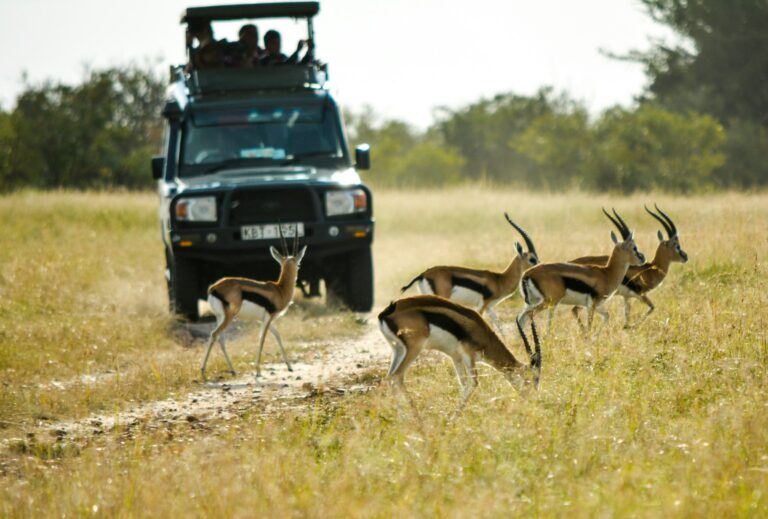
| Drone, per drone, per day, per park | KSh 5,000 (about US$39) | US$300 |
Source: Tech-ish, 29 September 2025, consistent with the Ministry of Tourism’s draft regulations. The draft also lists a 6 to 10 person band and a restoration levy; we could not confirm those against the gazetted text, so ask KWS.
The Maasai Mara National Reserve is managed by Narok County, not KWS (see our guide to filming in the Maasai Mara), and private and community conservancies set their own filming and drone terms. Get these in writing before you travel.
3. Drones
Drones in Kenya must be registered with the Kenya Civil Aviation Authority. Commercial filming needs a licensed remote pilot, an operator certificate held by a Kenyan-registered entity, and security clearance. The Kenya Film Commission lists Ministry of Defence clearance followed by KCAA approval. The usual height limit is 400 feet.
New drone regulations were published in March 2026 (Legal Notice 40 of 2026), while KCAA’s website still refers to the 2020 rules. Confirm with KCAA which apply to your dates. Visiting crews bringing their own drones should allow several weeks for import approval; working with a certified Kenyan operator is often faster. Afrovo holds a KCAA operator certificate and its pilots are KCAA-licensed: see drone and aerial filming in Kenya.
4. Foreign crew and equipment
- Special Pass: non-EAC crew apply through eCitizen. One recent guide (28 August 2026) gives US$200 per month and one to two weeks’ processing; confirm with the Directorate of Immigration.
- Equipment: Kenya is not listed among countries accepting ATA carnets. Temporary import usually requires a refundable security bond; use a licensed clearing agent.
5. Consent and data protection
Permits are only half of it. Kenya’s Office of the Data Protection Commissioner published guidance on publishing recorded media in 2025. In short: identifiable people need to give express consent to publication, stating where and how their image will be used; filming in a public place does not remove that requirement; and reusing footage for a new purpose needs fresh consent. Children need parental or guardian consent. The regulator has fined organisations for getting this wrong, including a school fined KSh 4.55 million (about US$35,100) over pupils’ photos (Kenya News Agency, 21 December 2025).
We cover this in more detail in our guide to consent and ethical storytelling.
A simple checklist
- KFCB filming licence.
- Location permissions: KWS, county, conservancy or private owner.
- Drone clearance, if flying.
- Special Passes for foreign crew.
- Equipment import arrangements.
- Signed consent from every identifiable participant.
Afrovo Studios handles permits as part of its productions and supports visiting crews with local production. See documentary production in Kenya.
Afrovo Studios makes films for NGOs, conservation groups and purpose-led organisations across East Africa. If you are planning a project, get in touch.