Bringing Camera Equipment into Kenya: Customs, Bonds and the Carnet Question
Importing film equipment into Kenya? Why the ATA Carnet is not accepted, how temporary importation and customs bonds work, drone rules and paperwork tips.
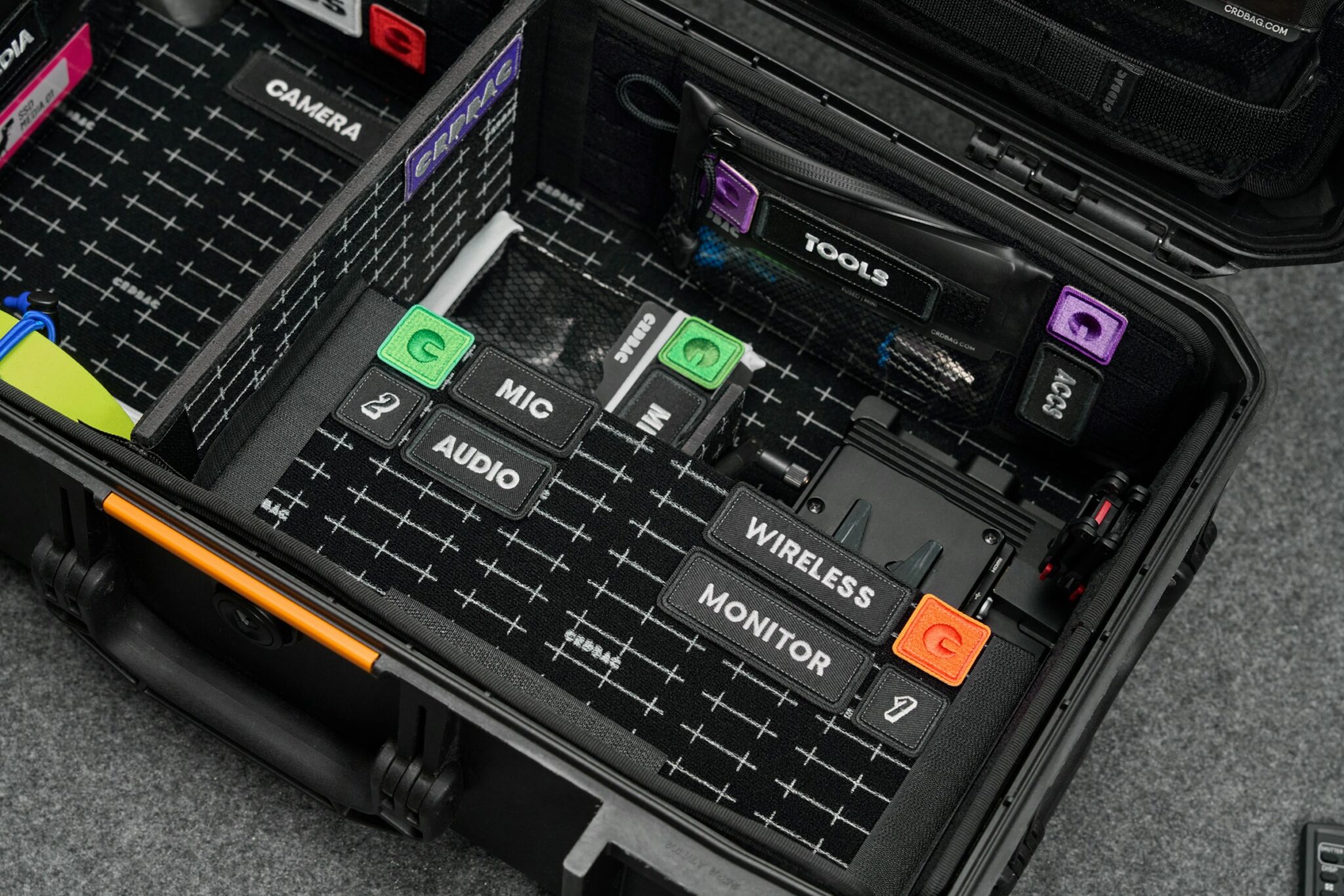
Every visiting production eventually meets the same question at the planning stage: how do we get our cameras, lenses, lights and sound kit into Kenya without paying import duty on equipment that is leaving again in three weeks? The short answer is that Kenya allows professional equipment in temporarily, against security, as long as it goes back out. The longer answer involves a filming licence, a customs bond or deposit, careful paperwork and one common surprise for crews used to working in Europe: the ATA Carnet does not work here.
This guide sets out how temporary importation works for filming equipment, what the official sources say (and where they disagree), and the practical habits that keep kit moving through Jomo Kenyatta International Airport and back out again. It reflects what was published by the relevant authorities as of October 2026. Customs practice changes, so always confirm the current position with the Kenya Revenue Authority or a licensed clearing agent before you ship.
Why an ATA Carnet will not help you in Kenya
In much of the world, crews travel on an ATA Carnet, an international customs document that lets professional equipment cross borders duty-free for a set period. Kenya is not part of that system. The United States Council for International Business, which issues carnets in the US, lists Kenya among destinations that do not accept them, and Kenya does not appear on its list of carnet countries (last updated February 2026). A Nairobi clearing firm made the same point in September 2026: a carnet issued elsewhere is not recognised for temporary importation into Kenya, which uses a customs bond instead.
That matters if your kit is travelling on to another country. A carnet is still worth carrying if the shoot continues to South Africa, Mauritius or Madagascar, which do accept them for professional equipment, but for the Kenyan leg you will need the local arrangement described below. Tanzania, Uganda and Rwanda do not appear on the carnet list either, so check each border separately for a multi-country shoot.
How temporary importation works
The legal basis is the East African Community Customs Management Act, 2004, which Kenya applies alongside its East African neighbours. Section 117 of the Act deals with the exemption from import duty of temporary imports. In practice, equipment brought in for a shoot is allowed in without duty, provided the importer gives security that it will be re-exported, or that duty will be paid if it is not.
The Kenya Revenue Authority’s customs guidance says filming and photography equipment can be cleared as a temporary import against a security bond, with an undertaking to re-export it within a period not exceeding twelve months from the date of importation. Equipment imported permanently, for example kit bought for a Kenyan production company, is liable to full customs duty.
The filming licence comes first
Customs links the temporary import of filming equipment to the filming licence. KRA’s passenger guidance states that a temporary importation permit for filming equipment is obtained through the Film Classification Board, and the Kenya Film Classification Board’s licence application asks for a list of the equipment to be imported and the value of each item. So the equipment list is not a separate exercise: it is part of the licence application, and it should match what actually arrives. Our guide to filming permits in Kenya explains the licence process in more detail.
What the security costs: the official sources do not agree
This is where planning gets awkward. Kenya’s own official pages give three different descriptions of the charge:
- Kenya Film Commission: for equipment travelling with the crew, an upfront security bond of KSh 30,000 US$231, refunded when the crew and equipment leave. For equipment shipped separately by air or sea, a Temporary Import of Equipment form listing each item and its value is completed, and the bond is calculated on the value of the kit. The Commission notes that licensed clearing agents usually execute these bonds.
- KRA customs guidance: a non-refundable deposit of 1% of the value of the goods, with a minimum of KSh 30,000 US$231.
- KRA passenger terminal guidance: a charge of 1% of the total value or KSh 30,050 US$231, whichever is lower.
These cannot all be right at once, and none of the pages carries a publication date. The safe approach is to budget for a charge in the region of 1% of the declared value of your kit, ask your clearing agent or KRA in writing which basis applies to your shipment, and keep the receipt. Do not assume the money comes back unless your paperwork says so.
Accompanied or shipped: two different routes
How the kit travels changes the process.
Accompanied equipment arrives in the hold or cabin with the crew. Everyone entering Kenya completes a passenger declaration (Form F88), and anything that is not ordinary personal effects should go through the red channel, where the declaration is handed to the customs officer. Walking professional kit through the green channel risks a penalty and, at worst, seizure of the goods. Have your filming licence, equipment list and proof of the security ready in hand luggage, not packed in a case.
Unaccompanied equipment arrives as air or sea freight, usually ahead of the crew. It is cleared like any other cargo, through a licensed customs clearing agent, with the bond in place before the shipment lands. Freight clearance takes longer than a passenger arrival, so build in a few working days before the first shoot day, and do not let freight land over a weekend unless your agent has confirmed they can clear it.
Drones need their own authorisation
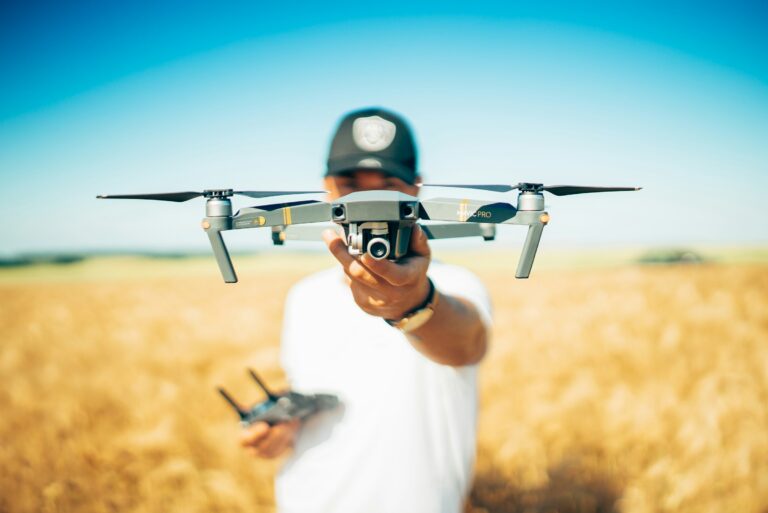
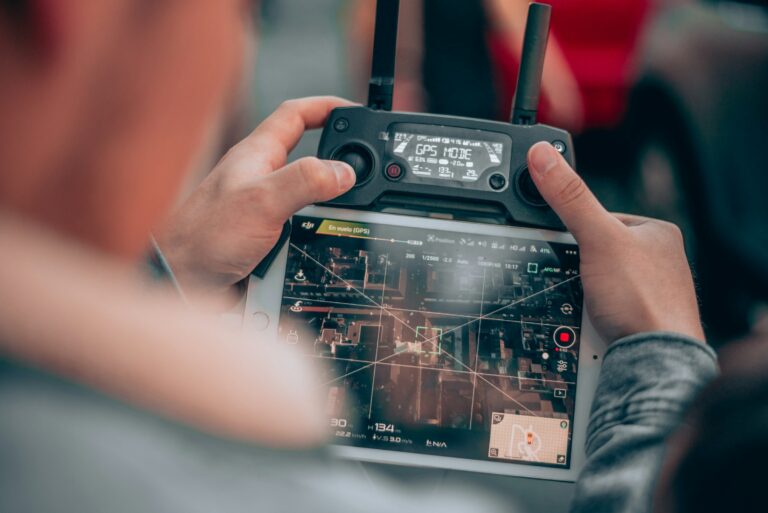
Drones are treated differently from cameras. In a media brief on 17 October 2026, the Kenya Revenue Authority reminded travellers that the importation of drones into Kenya is restricted and requires authorisation from the Kenya Civil Aviation Authority. A drone that arrives without it can be detained at the airport, and flying commercially also needs a certified operator and approval for each flight.
For many visiting crews, the simpler route is not to bring a drone at all. Afrovo holds a KCAA Remote Operator Certificate and all our drone pilots are licensed, so aerial footage can be flown locally to your brief. Our drone and aerial videography page explains how that works.
Preparing your equipment list
A clear, accurate list does more to speed up clearance than anything else. Customs officers compare what is on paper with what is in the cases, and any mismatch means delay. A good list:
- names each item with its make, model and serial number;
- gives a realistic value for each item, in one currency, with a total;
- groups items by case, with case numbers matching labels on the cases themselves;
- uses the same wording on the filming licence application, the customs entry and the bond;
- includes consumables you plan to leave behind, such as tape or gels, separately, because anything not re-exported may attract duty.
Print several copies and keep a digital copy on a phone. Photographing each case open, with serial numbers visible, before you leave home is also worth the twenty minutes it takes.
Leaving Kenya: closing the import properly
Temporary importation only ends when the equipment leaves and customs records that it has done so. Present the same kit, with the same list, when you depart, and ask for the exit to be recorded against your import documents. KRA advises keeping all temporary importation documents, and the Kenya Film Commission notes that the bond exists to cover taxes, or the resale value, of anything left behind. If a lens is stolen or a light is damaged beyond repair during the shoot, report it and get written evidence before you fly, rather than explaining a missing item at the airport.
Kenyan residents travelling out with their own equipment have the opposite concern: KRA advises declaring cameras and other professional kit before departure, so that it can be brought home without being mistaken for a new import.
Practical tips from the ground
- Start early. The equipment list feeds the filming licence, which feeds the customs process. Late changes to the kit list ripple through all three.
- Use a licensed clearing agent for shipped equipment and for large accompanied consignments. They know which officers to approach and how bonds are executed in practice.
- Bring only what you need. Lighting, grip and a second camera body can often be sourced locally, which reduces the value you have to secure and the cases you have to clear.
- Allow time on both ends. Arriving the day before a shoot with a hold full of kit leaves no margin if customs needs a second look.
- Work with a local production partner who handles permits, customs and logistics day to day. Our production services in Kenya cover exactly this kind of support, and our guide to filming in Nairobi covers what happens once your kit is through the airport.
Frequently asked questions
Does Kenya accept the ATA Carnet for filming equipment?
No. Kenya is not part of the ATA Carnet system, and carnets issued elsewhere are not recognised there. Professional equipment is brought in as a temporary import against a customs bond or deposit instead.
Do I have to pay import duty on cameras I bring in for a shoot?
Not if the equipment is imported temporarily under a filming licence and re-exported within the permitted period, which KRA states is no more than twelve months. You will usually pay a security charge or bond, and full duty becomes payable on anything that is not re-exported.
How much is the customs bond for filming equipment in Kenya?
Official sources differ. The Kenya Film Commission describes a refundable bond of KSh 30,000 US$231 for accompanied equipment and a value-based bond for shipped kit, while KRA’s pages describe a 1% charge with different minimums and maximums. Confirm the current basis with KRA or a licensed clearing agent before you travel.
Can I bring my own drone into Kenya?
Only with prior authorisation from the Kenya Civil Aviation Authority, as KRA reminded travellers in October 2026. Many visiting crews instead hire a locally certified drone operator to avoid importing one.
Afrovo Studios is a Nairobi-based video production company working across East Africa, making documentaries, campaign films and corporate video for NGOs, conservation organisations and brands. Get in touch to talk about your next project.