Climate Stories from Kenya: Filming Drought, Floods and Adaptation
Planning a climate change film in Kenya? The latest KMSA short rains outlook, what recent droughts and floods show, and how to film safely and ethically.
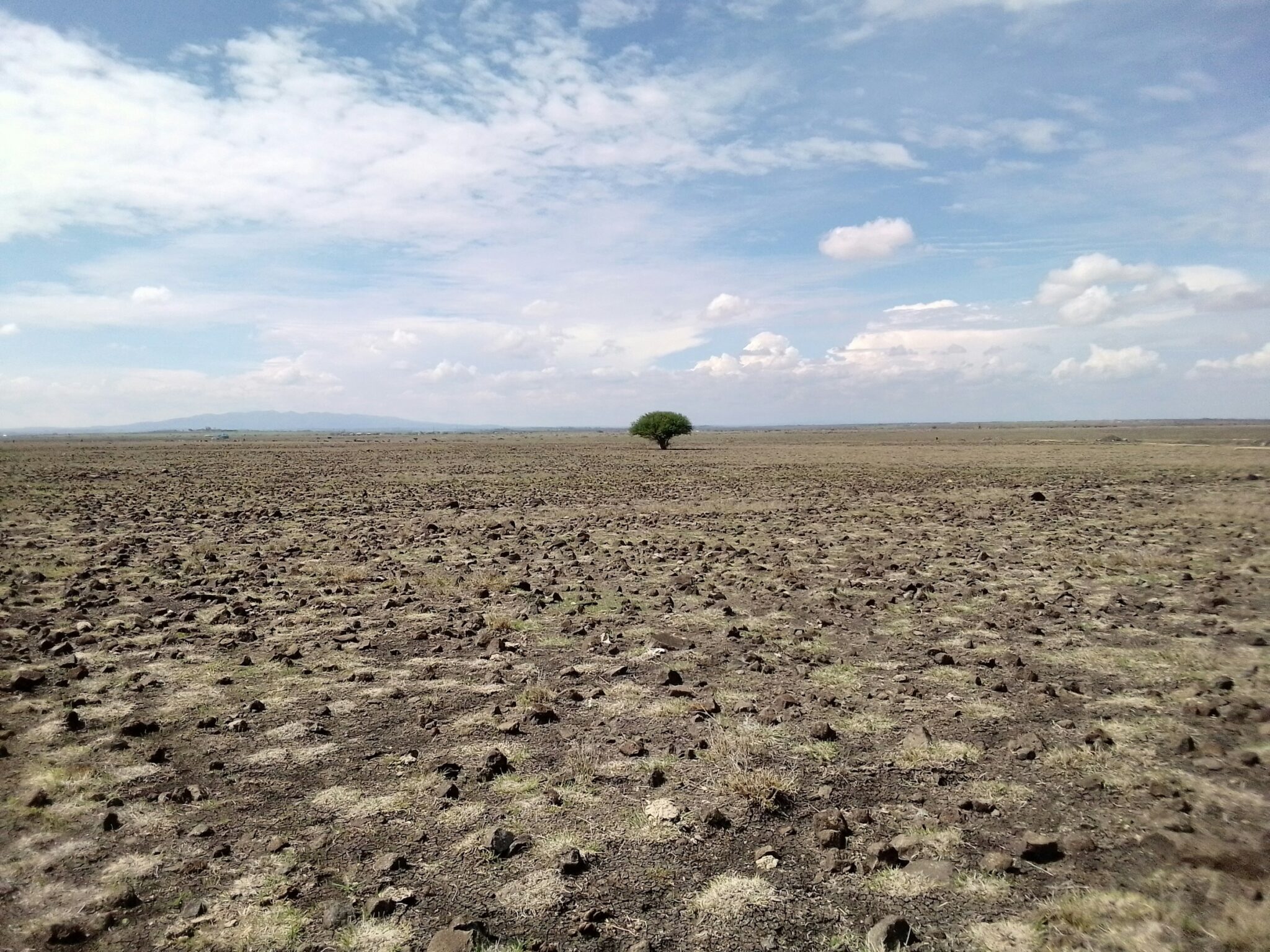
Kenya’s climate story is rarely about one kind of weather. In the space of a few years the country has gone from the longest drought in four decades to deadly floods, back to drought in the north-east, and now into a short rains season that forecasters expect to be wetter than usual. For NGOs, conservation groups, county programmes and companies reporting on climate risk, that swing is the story. It is also what makes climate films in Kenya harder to plan, and easier to get wrong, than most other commissions.
This guide looks at what the recent record shows, why the current season matters, and how to film drought, floods and adaptation in a way that is accurate, safe and fair to the people on screen.
What the recent record shows
Between late 2020 and early 2023, parts of Kenya, Ethiopia and Somalia lived through five consecutive failed rainy seasons. The World Meteorological Organization described it in August 2022 as the longest drought in 40 years, and the global Food Security Cluster reported in September 2022 that it had surpassed the 2010–11 and 2016–17 droughts in both length and severity. That cluster, citing the regional Food Security and Nutrition Working Group, put livestock deaths in Kenya at about 2.4 million by September 2022. For pastoralist families, that is not a statistic but the loss of savings, food and future.
Then came the water. During the March to May 2024 long rains, flooding hit Nairobi, the Lake Victoria basin, the Rift Valley and the coast. The UN’s humanitarian office, citing Kenya’s National Disaster Operations Centre, reported 315 deaths and more than 293,000 people displaced between 1 March and 18 June 2024.
The swing has continued. In February 2026 Kenya’s National Drought Management Authority was reporting drought in 10 counties, with the UN estimating that more than two million people faced hunger after an unusually dry end to 2025, according to reporting by Al Jazeera and the Associated Press. Mandera had reached the “alarm” stage.
Why this short rains season matters
The Kenya Meteorological Service Authority (KMSA, formerly the Kenya Meteorological Department) issued its October to December 2026 outlook on 26 August. It expects above-average rainfall over much of the country, with an El Niño event that it described as strengthening and possibly heading towards a very strong event. In Nairobi and the central highlands, the rains were expected to start in the second or third week of October and, in many areas, to continue into January. Temperatures are also forecast to be warmer than average, especially along the coast.
KMSA is careful to say that El Niño does not automatically mean heavy rain everywhere, and that its forecast should be read alongside its shorter-range updates. Even so, the government has already activated a multi-agency preparedness plan. In late September the National Disaster Operations Centre told The Star that county teams were mapping flood and landslide hotspots and checking evacuation routes, and that the Kenya Anticipatory Action Programme was ready to trigger support before hazards hit.
For anyone planning a climate film, this matters in two ways. It is a moment when the story is live and audiences are paying attention. And it is a season when roads close, rivers rise and the communities you want to film may be dealing with an emergency.
Three stories, not one
The strongest climate films from Kenya tend to resist the single image of cracked earth or a submerged road. They treat drought, floods and adaptation as connected parts of the same story.
Drought
Drought is slow. Its effects build over seasons, so a single filming day rarely captures it. Consider filming the same family, borehole or grazing area at more than one point in the year, or pairing present-day footage with archive or the community’s own photographs. Pastoralists, county officers and water committees can explain what has changed far better than a narrator can. Our piece on rangelands and pastoralists in 2026 covers how to frame that story without reducing herders to victims.
Floods
Floods are fast, and the window for respectful filming is narrow. The first days belong to rescue and relief. The more useful film often comes later: who was affected, what support arrived, and how people rebuilt. Our short documentary Hope Behind the Floods, made with the charity Give A Hand, followed a community in Orongo, Kisumu, after Lake Victoria burst its banks in 2024. It focuses on a local women’s group that took in displaced families, rather than on the water itself.
Adaptation
Adaptation is where Kenya has some of its most hopeful material, and it is often the least filmed. Water pans, drought-tolerant crops, rangeland restoration, early-warning systems and county climate projects all make strong stories because they show people acting, not just enduring. Many counties have set up climate change funds under the World Bank-supported Financing Locally-Led Climate Action (FLLoCA) programme, which means there are community-chosen projects to document in most parts of the country. If you are working on conservation outcomes, such as wildlife corridors, water for wildlife or human-wildlife conflict during drought, our conservation and wildlife filming page explains how we approach those shoots.
Getting the facts right on screen
Climate films are often shared well beyond their first audience, and a wrong figure travels with them. A few habits help:
- Use official, dated sources. For weather and seasonal outlooks, use KMSA. For drought status by county, use the National Drought Management Authority’s bulletins. For flood impacts, use the National Disaster Operations Centre or UN situation reports, and say which date the figures refer to.
- Do not stretch attribution. A single flood is not proof of climate change on its own. Scientists use specific attribution studies to make that link. Where none exists, say that events like this are becoming more frequent or severe, if your source supports it, rather than blaming one storm on the climate.
- Let local voices carry the explanation. A county meteorologist, a farmer who has changed her planting dates or a water committee chair is usually more convincing than an on-screen graphic.
- Check every caption. Place names, dates and numbers in lower thirds should be checked as carefully as a press release.
Filming safely in a wet season
The same rains that make the story urgent can make the shoot dangerous. Build in more time than you would in the dry season. Murram roads in the south-east, the Rift Valley and the north can become impassable within hours, and a missed river crossing can cost a day. Check KMSA’s daily and weekly forecasts and local advisories before each move, and have a fallback location.
Never put a crew or a contributor at risk for a shot. That means no filming in fast-moving water, on unstable slopes or in places that rescuers have asked people to leave. Protect equipment with rain covers and dry bags, and plan how footage will be backed up if power or connectivity fails.
Aerial footage can show the scale of flooding or land degradation better than anything on the ground, but it needs the same care as any drone work in Kenya: licensed pilots, the right approvals for the location, and respect for rescue operations that may be using the same airspace. Afrovo holds a KCAA operator certificate and all of our drone pilots are licensed.
Consent and dignity in a crisis
People who have just lost a home or a herd are not in an ordinary position to agree to be filmed. Consent given in the first hours after a disaster may not be truly informed, and people may feel that saying no will affect the help they receive. Make it clear that aid does not depend on taking part. Explain where the film will be shown, in a language the person is comfortable with, and give them a genuine chance to decline or withdraw later. Take extra care with children and with anyone who could be identified in a way that puts them at risk.
Avoid the shots that strip people of agency: close-ups of distress, staged suffering, or images of children used as a shorthand for need. Our ethical storytelling policy sets out the standards we apply on every shoot, including how we handle consent, safeguarding and the use of AI.
Planning a climate film this season
If you are planning to film during the October to December rains, start with a few practical questions. What is the one change you want the audience to understand? Who in the community should tell it? Does the story need more than one visit to show change over time? What will you do if access is cut or the situation turns into an emergency? And how will the people you film see and approve the finished work?
Answer those early and you will have a film that holds up long after the season ends, and one that the communities involved recognise as their own.
Frequently asked questions
Is it a good idea to film during Kenya’s short rains?
It can be, as the rains are part of the story, but plan for disruption. Allow extra travel time, check the Kenya Meteorological Service Authority’s forecasts before each move, have backup locations and never put crew or contributors at risk for a shot.
Where can I find reliable climate data for a film about Kenya?
Use the Kenya Meteorological Service Authority for forecasts and seasonal outlooks, the National Drought Management Authority for county drought status, and the National Disaster Operations Centre or UN situation reports for flood impacts. Always state the date your figures refer to.
How do you get consent from people affected by floods or drought?
Explain clearly what the film is for and where it will be shown, in a language the person understands, and make it clear that help does not depend on taking part. Give people time to decide and a way to withdraw later, and take extra care with children and vulnerable adults.
Can I use a drone to film flood or drought damage in Kenya?
Only with a licensed pilot and the approvals the location requires, and never in a way that interferes with rescue or relief operations. Some areas, including national parks and sites near airports, have extra restrictions.
Afrovo Studios is a Nairobi-based video production company working across East Africa, making documentaries, campaign films and corporate video for NGOs, conservation organisations and brands. Get in touch to talk about your next project.