Why Real Footage Beats AI Imagery for NGO Campaigns in 2026
AI images promised NGOs cheap visuals. The 2025 backlash showed the cost. Why consented, real footage is now a fundraising asset.
When budgets are tight, generating an image with AI can look like a sensible saving. In 2025 a number of aid organisations found out what it really costs.
What happened
In October 2025 The Guardian reported research by Arsenii Alenichev, who had collected AI-generated images of poverty being used in aid communications. A UN video that used AI “re-enactments” was taken down after media enquiries, according to PetaPixel. The Lancet Global Health published commentary calling it “poverty porn 2.0”.
In November 2025 ACT Alliance and Fairpicture advised NGOs not to use fully generated images to depict people affected by crisis. And in March 2026 Bond reported a University of East Anglia study of 171 AI images from 17 charities. Even when the images were labelled as AI, fewer than one in five public comments engaged with the cause itself. People argued about the image instead.
Why it backfires
- It shifts attention. The conversation becomes about the picture, not your work.
- It undermines trust. Donors who discover an image was generated may wonder what else is not real.
- It removes the people. One reason reportedly given for using AI was that you do not need to bother with consent. That is exactly the problem.
- It repeats old stereotypes. AI images are built from existing imagery, including decades of stereotyped pictures of Africa.
What real footage gives you
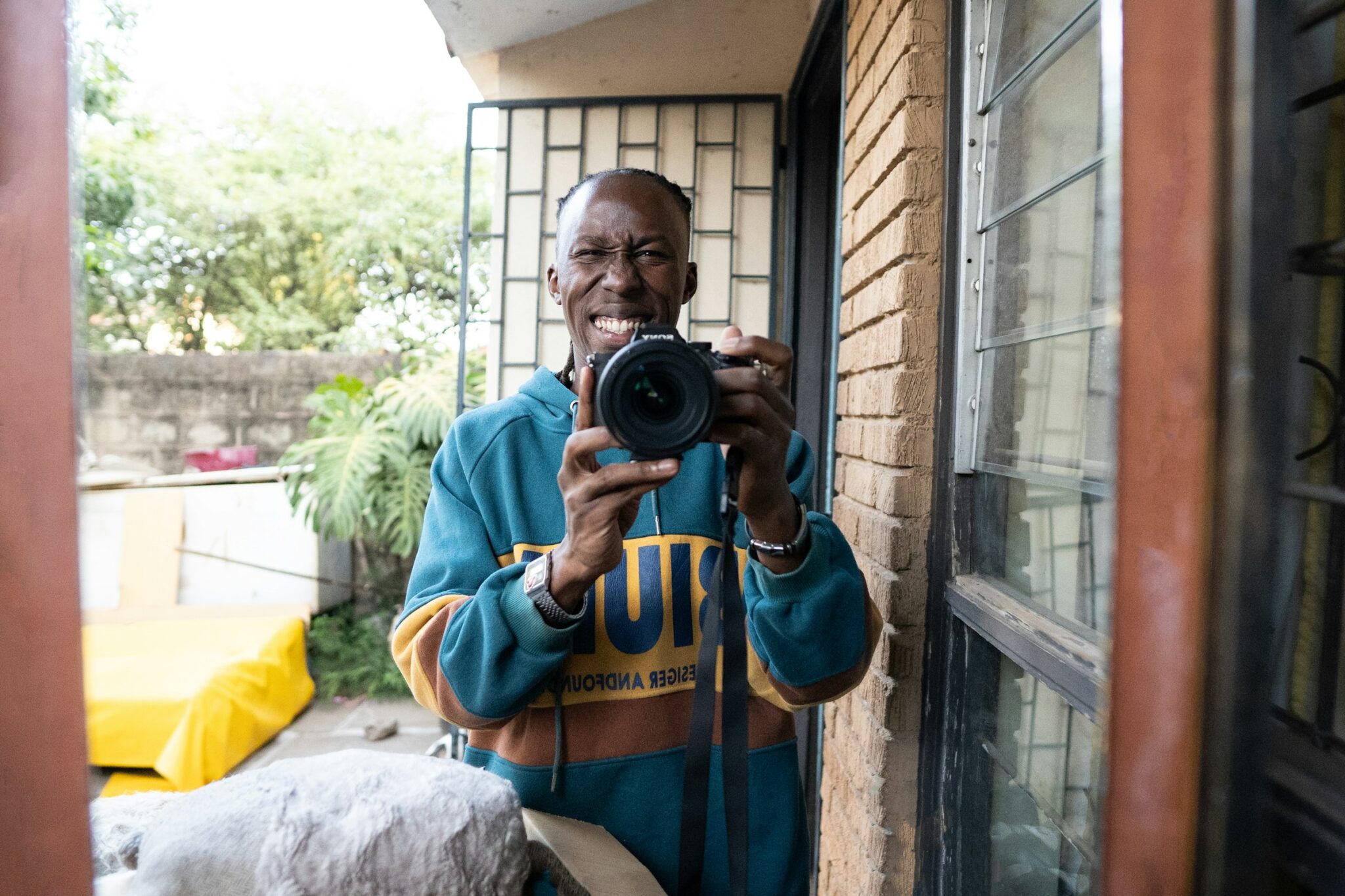
Real footage, filmed with informed consent, shows donors actual people and actual change. It can be verified. It gives the people in it a voice and, often, a copy of their own story. In Kenya it also keeps you on the right side of the data protection regulator, which expects clear consent for publishing identifiable people.
It does not have to be expensive. A single well-planned shoot day can produce a short film, several social clips and a set of photographs that serve you for a year or more.
Where AI does help
AI is useful behind the scenes: transcribing interviews, drafting subtitles, reformatting a film for vertical platforms and preparing first-draft translations for review by a native speaker. Used this way it lowers cost without putting anyone’s dignity at risk. Whatever you decide, publish your policy, as Bond recommends, so supporters know where you stand.
Read our field guide to consent and ethical storytelling, or see our fundraising film work.
Afrovo Studios makes films for NGOs, conservation groups and purpose-led organisations across East Africa. If you are planning a project, get in touch.