Kiswahili Voiceover or Subtitles? Making NGO Videos Work for East African Audiences
When to use Kiswahili voiceover, when to use subtitles, and when to use both, for NGO, health and training videos in Kenya and East Africa.
If your film is for people in Kenya, Tanzania or elsewhere in East Africa, English alone will miss a large part of your audience. The question is how to reach them: voiceover, subtitles, or both.
Subtitles: best for social media and real voices
- They keep the original voices, which matters for testimony.
- They suit social media, where many people watch with the sound off.
- They are quicker and cheaper to produce.
- They assume the audience reads comfortably, and on a small phone screen.
Voiceover: best for training, health and community screenings
- It reaches people who do not read easily.
- It works for radio, community screenings and group viewing.
- It suits instructions, where people need to watch and listen at once.
- It needs a good native voice and careful direction.
Often the answer is both
Many projects use subtitles for online versions and a Kiswahili voiceover for community and training versions. Planning both from the start costs less than adding one later.
A note on AI voices
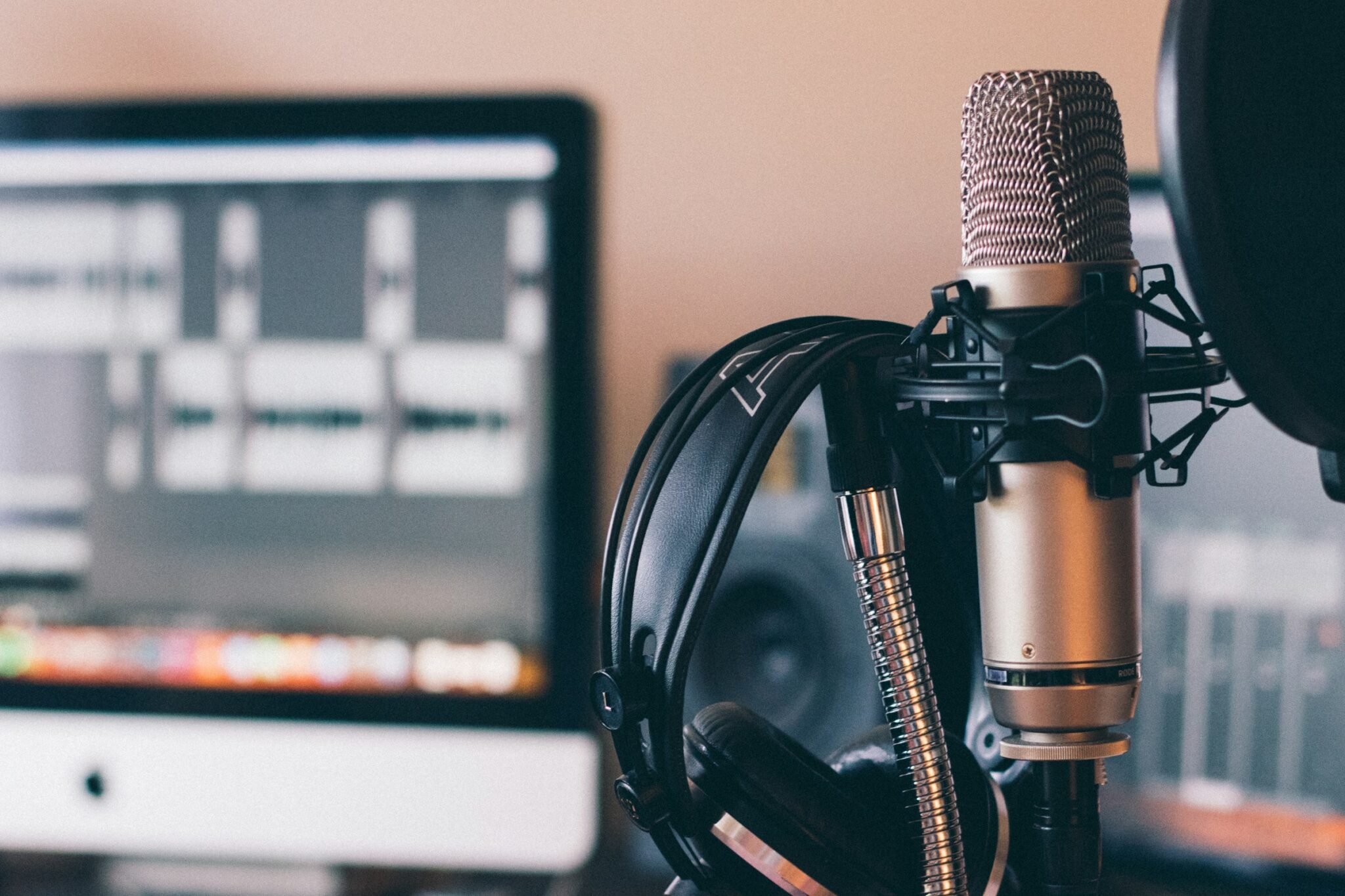
AI voice tools now offer Swahili; ElevenLabs lists Swahili among its supported languages for its v3 model (ElevenLabs documentation, checked September 2026). They are useful for drafts. For anything public, a native speaker should review pronunciation, register and the natural mix of Kiswahili and English that many Kenyans use.
Interview in Kiswahili from the start
The best way to get authentic Kiswahili content is to interview people in Kiswahili in the first place. It produces more natural answers and makes versioning easier.
See our Kiswahili voiceover and subtitling service.
Afrovo Studios is a Nairobi-based production company making films for NGOs, conservation groups and purpose-led organisations across East Africa. If you are planning a project, get in touch.