How to Choose a Video Partner for Donor-Facing Work in East Africa: 12 Questions
Twelve questions to ask before hiring a video production company for NGO, donor and fundraising films in Kenya and East Africa.
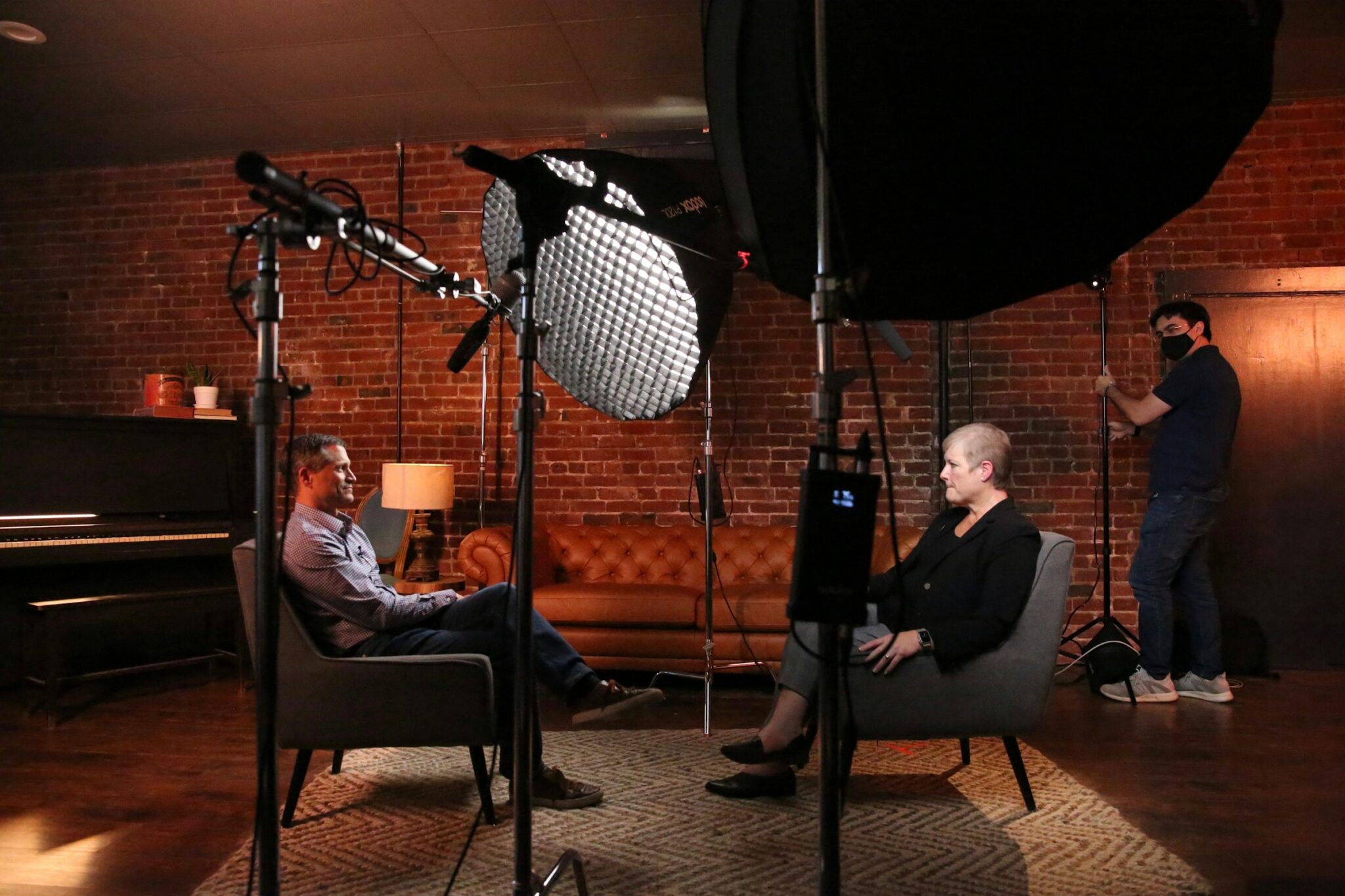
A film that goes in front of donors carries your organisation’s reputation, and the dignity of the people in it. Choosing who makes it deserves more than a look at a showreel. These are the questions we would ask if we were on your side of the table.
About their work
1. Have they made films like the one you need?
Look for work in your sector and format: a fundraising appeal is a different skill from a conference highlight reel. Ask for two or three examples and who they were made for.
2. Can you speak to a past client?
A reference call tells you more than any website. Ask how the company handled problems, not just whether the film was good.
3. Who will actually be on the shoot?
Some companies subcontract everything. That is not necessarily bad, but you should know who is in the room with your community.
About ethics and consent
4. How do they get consent?
Ask to see their consent form. It should be in plain language, available in Kiswahili or the participants’ language, and specific about where the film will be used. Kenya’s data protection regulator now expects this for anything published.
5. How do they work with children?
They should follow your safeguarding policy, require parental or guardian consent, and be willing to protect identities.
6. Will they use AI to depict people?
In 2025 several aid organisations were criticised for using AI-generated images of poverty (The Guardian, 20 October 2025). A good partner will tell you exactly where AI is used in their workflow, and should not use it to depict the communities you serve.
7. How do they portray the people in the film?
Watch their past work for agency and dignity. Do people speak for themselves? Is the story about change, or only about need? Bond’s guidelines are a useful benchmark.
About the practicalities
8. Do they handle permits?
Films made in Kenya need a KFCB licence, and parks and drones need more. Your partner should build these into the plan. See our permits guide.
9. Can they work in the local language?
Interviews in someone’s first language are almost always better. Ask whether they can interview in Kiswahili and deliver subtitled or voiced versions.
10. What exactly is in the quote?
Shoot days, crew, travel, permits, editing rounds, cut-downs, subtitles, music and stills. If it is not listed, assume it is extra.
11. Who owns the footage?
You should, within the limits of participants’ consent. Agree it in writing before filming.
12. Can they meet your procurement requirements?
Registration, KRA PIN, a tax compliance certificate and eTIMS invoices are standard. So is responding to terms of reference on short timelines.
One more thing
Pay attention to the questions they ask you. A good partner will want to know who the film is for and what you need it to achieve before they talk about cameras.
See how we work on NGO video production and fundraising films.
Afrovo Studios makes films for NGOs, conservation groups and purpose-led organisations across East Africa. If you are planning a project, get in touch.