The Path to Zero Poaching
A short documentary we directed, shot and edited for Teledyne FLIR and WWF about the rangers at Ol Pejeta Conservancy who use thermal imaging to protect rhinos at night.
Published on Teledyne FLIR’s YouTube channel.
Seeing in the dark
For years, night patrols against poaching relied on dogs, torches and ambushes. Rangers could only cover so much ground once the sun went down.
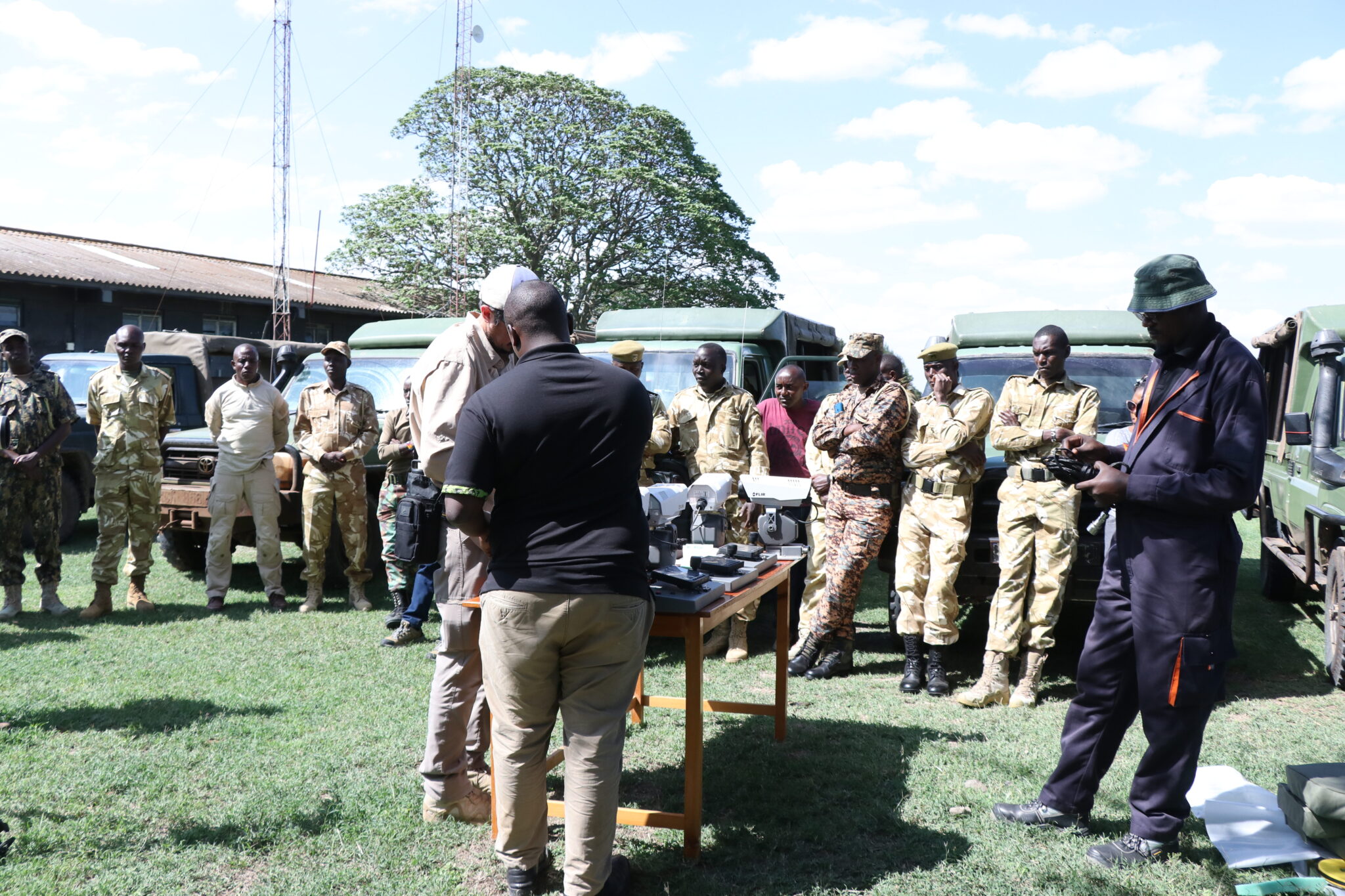
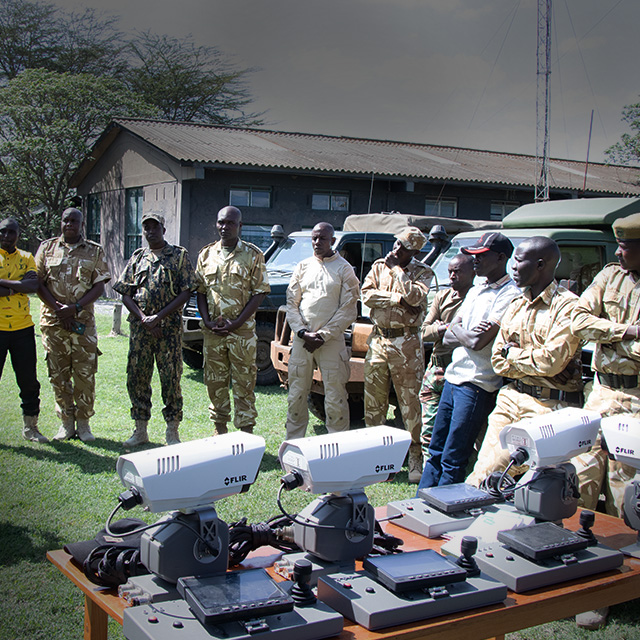
WWF and FLIR set out to change that with the Kenya Wildlife Service and conservancies such as Ol Pejeta. Their partnership began after a 2015 WWF grant that tested thermal imaging against radar and night vision. Fixed thermal cameras with AI alerts were installed at Ol Pejeta in 2019 and at Solio Game Reserve in 2023, and truck-mounted cameras followed in late 2024 so that patrols could take the technology with them.
Afrovo Studios made the film from start to finish: we directed it, shot it and edited it. It documents how rangers, conservationists and technology partners work together on the ground: the night drives, the alerts, and the people who respond to them.
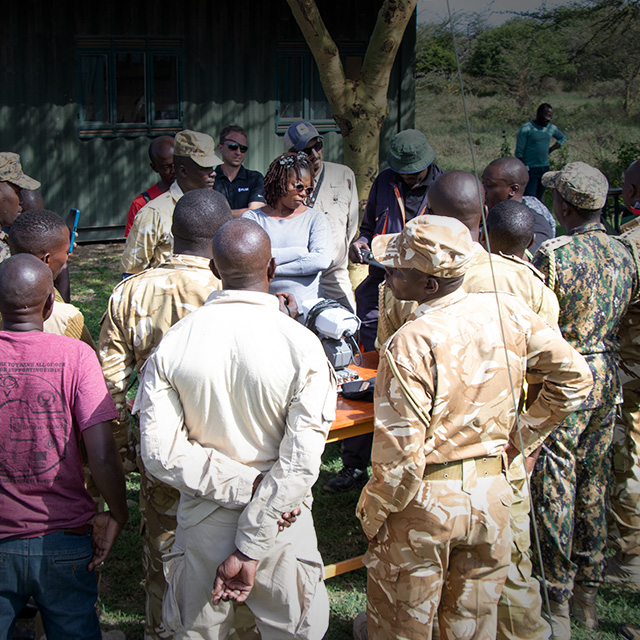
We also photographed the work, and our stills now illustrate WWF’s own story on the programme.
Poaching in Ol Pejeta’s park since 2017.
WWF, May 2025Truck-mounted thermal cameras donated by FLIR and WWF for night patrols.
FLIR, March 2025Covered per camera by a small ranger team.
FLIR, March 2025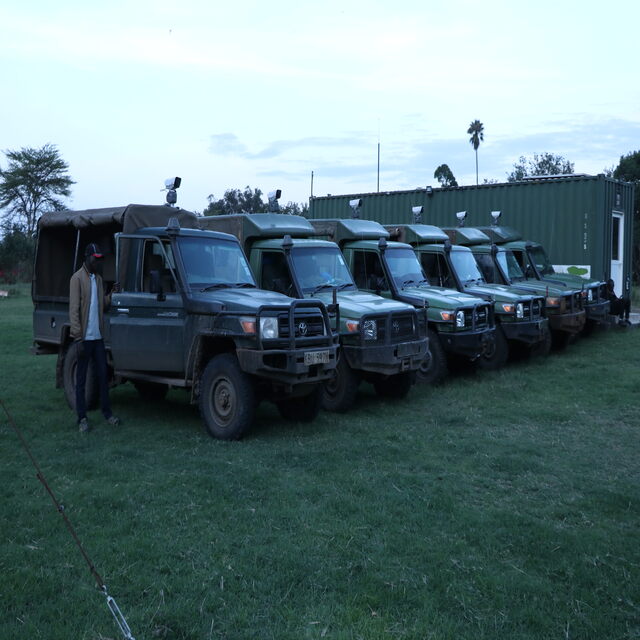
As seen on
The story continues
The second film follows thermal imaging onto more conservancy patrol vehicles.