

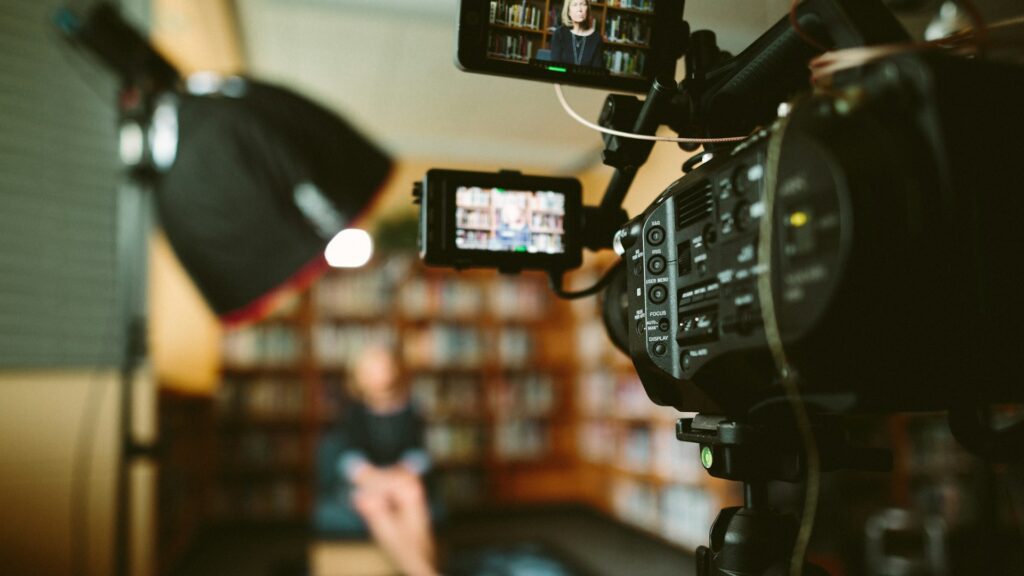
NGO Video Production in Kenya and East Africa
Fundraising films, donor-report videos and advocacy documentaries for NGOs in Kenya and East Africa. Local crew, consent-verified footage, Kiswahili versions.
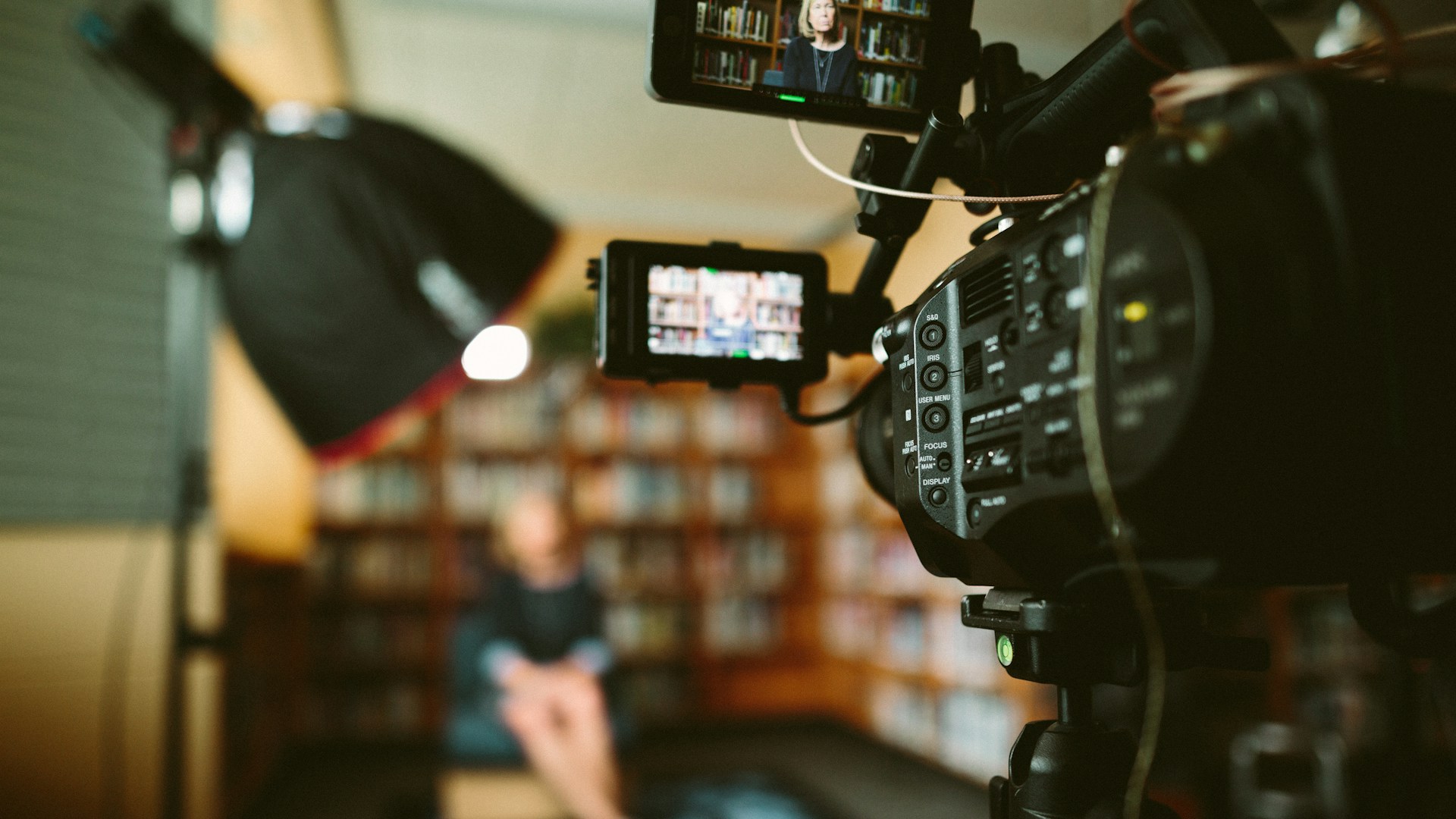
Afrovo Studios makes films for NGOs, foundations and UN agencies working in Kenya and across East Africa. We are a Kenyan crew based in Nairobi, and we have spent the last decade telling stories about conservation, health, livelihoods and recovery for organisations whose work needs to be seen and funded.
Our films are made to be used: in a donor meeting, on a fundraising page, in a board report, on TikTok and Instagram, or in front of a county assembly. Every production is planned around who needs to watch it and what you need them to do next.
What we make for NGOs
- Fundraising films for private donors, foundations, corporate partners and local giving campaigns.
- Donor-report and impact-report videos that turn your annual results into a three-minute story people will actually watch.
- Documentaries for advocacy, research dissemination and programme learning.
- Conservation and wildlife films, including anti-poaching and conservation-technology stories.
- Programme documentation: field footage, interviews and stills that your communications team can use for years.
- Social cut-downs: vertical edits for TikTok, Instagram Reels and YouTube Shorts from every shoot.
- Kiswahili versions, subtitles and voiceover, so the people in the film can watch it too.
- Event coverage for launches, conferences and field visits, with short highlight reels.
Consent-verified, real footage
In 2025 several aid organisations were criticised for using AI-generated images of poverty in their campaigns. Kenya’s Office of the Data Protection Commissioner also issued guidance on publishing recorded media and children’s data, and has fined organisations for posting images without proper consent.
We work the other way. Everyone who appears in an Afrovo film gives informed consent, recorded in writing, in a language they understand, for the specific uses you plan. For children we obtain parental or guardian consent and the child’s own agreement, and we follow your safeguarding policy as well as our own. We do not use generative AI to depict the people or communities you serve. We do use it behind the scenes, for transcription and first-draft subtitles, and we will always tell you where.
At handover you receive the film, the consent records and a short note on where the footage may and may not be used. That protects the people in the film and it protects your organisation. Read our full consent, safeguarding and AI policy.
A local crew, working to international standards
We live and work here. That means no flights for the core crew, no fixer fees on top of a production fee, and interviews conducted in Kiswahili or English without an interpreter standing between your team and the community. It also means we understand the permits: KFCB filming licences, Kenya Wildlife Service filming fees and drone clearance. We build them into the plan from day one.
Our clients and partners include Teledyne FLIR and WWF (the Path to Zero Poaching films), Cornell University and ILRI (Fishers of Change on Lake Victoria), and Give a Hand Charity (Hope Behind the Floods in Kisumu).
How a project runs
- Brief call (30 minutes). Audience, purpose, deadline, budget and the stories you already have.
- Treatment and plan. A one-page creative approach, a shooting schedule, a permits checklist and a fixed quote.
- Community entry and consent. We work with your field team to prepare participants properly before any camera comes out.
- Filming. A small crew, usually two to four people, sized to the location and the story.
- Edit and review. Review rounds are agreed in the quote. Subtitles and Kiswahili versions follow the English lock.
- Delivery. Hero film, cut-downs, stills, captions files and consent records.
Packages
Most NGO projects fit one of these. We give a fixed quote once we know the locations and deliverables.
- Impact Snapshot: a 60 to 90 second film, one shoot day, three vertical cut-downs, English and Kiswahili subtitles.
- Impact Story: a two to three minute hero film, two shoot days, six to ten cut-downs, stills and a full consent pack.
- Donor Report Film: your results, in three minutes, ready for your report launch.
- Documentary: 10 to 30 minutes, with research and multiple locations.
Questions NGOs ask us
Can you work to our procurement process?
Yes. We respond to RFQs and terms of reference and can provide company registration, KRA PIN and tax compliance documents, references and portfolio samples at short notice.
Do you work outside Kenya?
We work across East Africa. For Uganda, Tanzania, Rwanda and Ethiopia we plan permits and drone approvals early, because lead times are longer than in Kenya.
Who owns the footage?
You do, within the limits of the consent given by participants. We agree the rights in writing before filming.
How long does it take?
It depends on the scope, and we set the schedule with you at the start. If you have a hard deadline, such as a conference or a funding round, tell us early.
Planning a film? Tell us what you need and when. We will come back to you with questions or a quote. Start a project or email dennis@afrovostudios.com.
What else we make
- 01Fundraising Video Production for NGOs and Charities
- 02Documentary Production in Kenya
- 03Conservation and Wildlife Filming in Kenya
- 04Corporate Video Production in Nairobi
- 05Event Videography in Nairobi
- 06Training and Explainer Videos
- 07Drone and Aerial Videography in Kenya
- 08NGO and Documentary Photography in Kenya
- 09Kiswahili Voiceover, Subtitling and Video Translation
- 10Production Services in Kenya for Visiting Crews
- 11Video Production in East Africa